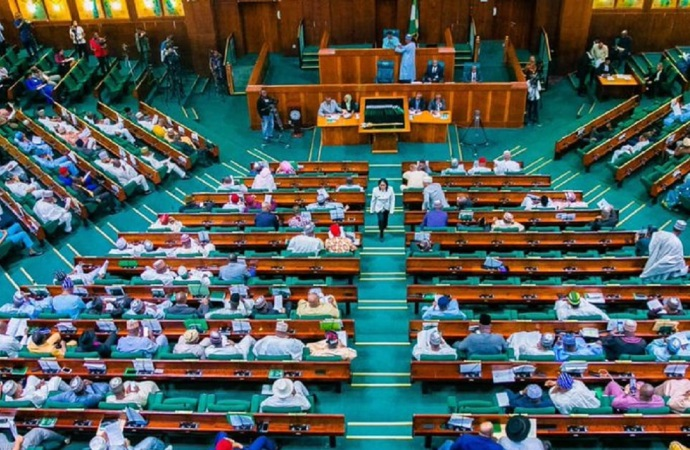
The House of Representatives has passed the bill seeking the establishment of state police, a major milestone in efforts to reform Nigeria’s policing structure and tackle the country’s growing security challenges.
The decision was reached during Thursday’s plenary session presided over by Speaker Tajudeen Abbas.
Announcing the outcome, Abbas disclosed that 288 lawmakers voted in favour of the proposal, while four opposed it. The vote was conducted through a show of hands after the Speaker informed members that the chamber’s electronic voting system was not operational.
The bill proposes the creation of state-controlled police forces to operate alongside the existing federal police structure. It also provides constitutional safeguards, operational guidelines, oversight mechanisms, and a defined framework for the sharing of responsibilities between federal and state policing authorities.
Ahead of the vote, the House made public the final draft of the Constitution Alteration Bills intended to establish a constitutional foundation for state police and other key reforms.
In a statement, House spokesman Akintunde Rotimi said the proposed amendments were the result of months of deliberations by the House Committee on Constitution Review.
According to him, the review process involved broad consultations with stakeholders, including government agencies, civil society organisations, professional bodies, traditional institutions, and members of the public through hearings and town hall meetings held across the six geopolitical zones.
The passage of the bill comes amid increasing calls for decentralised policing as Nigeria continues to grapple with kidnapping, banditry, terrorism, and other security threats.
Meanwhile, the Senate has already advanced the state police bill through second reading. Senate President Godswill Akpabio announced that the proposal has been referred to the Senate Committee on Constitutional Review, with a vote expected at a later sitting.
Supporters of the legislation argue that state police would enhance local intelligence gathering and enable quicker responses to security threats, particularly in rural and underserved areas.
However, opponents have expressed concerns that state-controlled police forces could be vulnerable to political manipulation by governors, especially during elections and periods of political tension.
For the bill to become law, it must be approved by the Senate and subsequently endorsed by at least two-thirds of the 36 state Houses of Assembly before being forwarded for presidential assent.