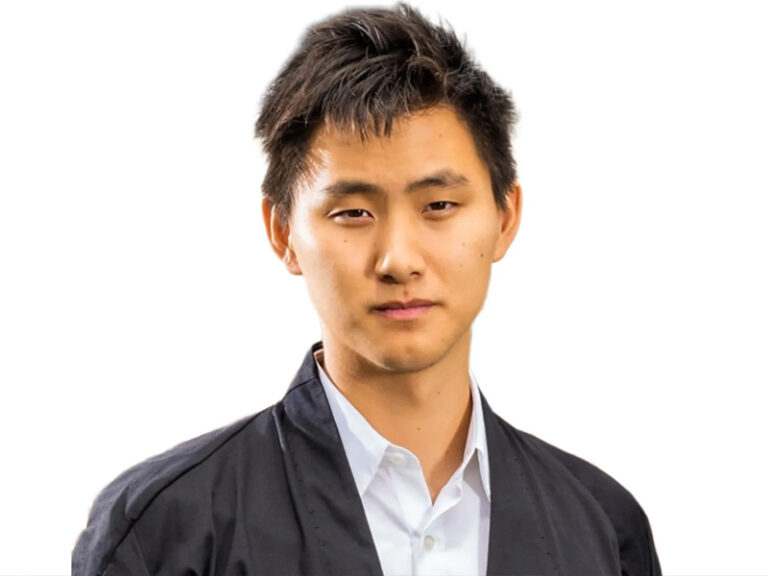
Meta CEO Mark Zuckerberg has announced a major restructuring of the company’s artificial intelligence strategy, unveiling a new division called Meta Superintelligence Labs, according to a source familiar with the matter.
The newly formed unit will be led by Alexandr Wang, founder and former CEO of Scale AI, who joins Meta as Chief AI Officer. He will be supported by a handpicked team of top engineers and researchers recruited from leading AI firms such as OpenAI, DeepMind, Google, and Anthropic.
The strategic pivot comes amid internal dissatisfaction and underwhelming response to Meta’s most recent open-source model, Llama 4. Industry analysts note that Meta has been falling behind key rivals in the AI space, including OpenAI, Google, and China’s DeepSeek—prompting the urgent revamp.
Meta Superintelligence Labs will focus on building artificial general intelligence (AGI)—machines that exceed human intelligence—with the aim of transforming Meta’s AI tools, augmented-reality glasses, and generative video products into significant revenue drivers.
Zuckerberg has personally led the charge, launching a high-profile recruitment blitz in recent weeks. He reportedly made multi-million dollar offers via WhatsApp and funneled $14.3 billion into Scale AI earlier this month to bolster Meta’s capabilities.
Former GitHub CEO Nat Friedman will serve as co-lead of the division, overseeing product development and applied AI research. The team also includes prominent new hires such as Safe Superintelligence co-founder Daniel Gross, ex-DeepMind researchers Jack Rae and Pei Sun, and former OpenAI engineers Jiahui Yu, Shuchao Bi, Shengjia Zhao, and Hongyu Ren. Joel Pobar, formerly of Anthropic and Meta, is also rejoining the company.
The aggressive recruitment has raised eyebrows across the tech industry. OpenAI CEO Sam Altman recently accused Meta of offering retention bonuses of up to $100 million to lure away his top talent.
Despite its bold ambitions, Meta’s track record raises questions. Reality Labs—the company’s metaverse-focused arm—has posted losses exceeding $60 billion since 2020 with little commercial traction. Critics worry Superintelligence Labs could follow a similar trajectory.
Still, with global AI spending projected to surpass $320 billion by 2025, Meta is determined to stay in the race. While Meta’s Chief AI Scientist Yann LeCun remains publicly skeptical of near-term AGI, Zuckerberg appears ready to gamble big on catching up—and possibly overtaking—the competition.