As the global economy grappled with the challenges posed by the ongoing pandemic, the United States has emerged as a beacon of economic strength, showcasing robust growth, a thriving job market, and decreasing inflation rates. This resilience has positioned the US ahead of its European counterparts and other nations across the globe.
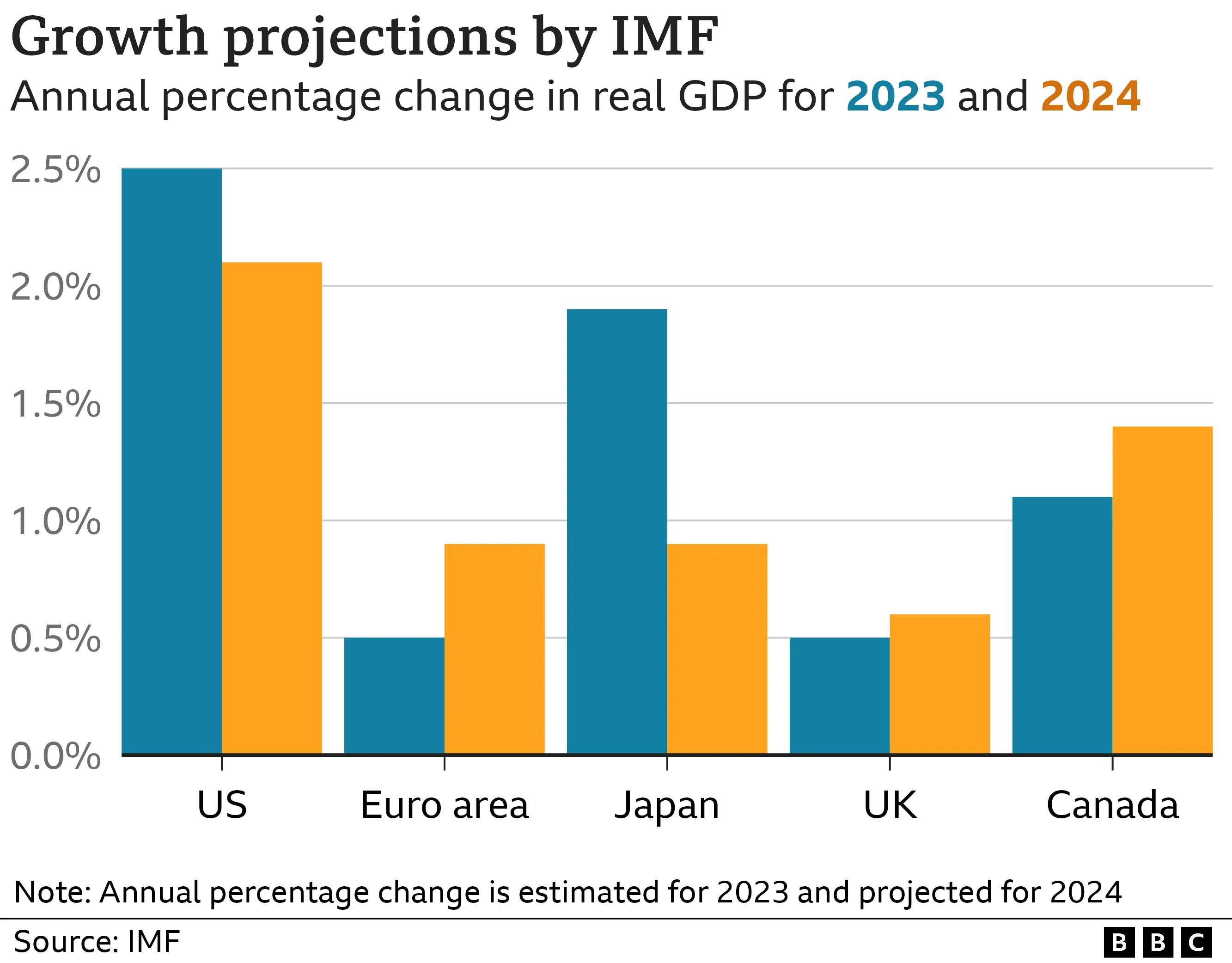
In a remarkable display of economic prowess, the US recorded a 3.3% gain in GDP during the fourth quarter of 2023, surpassing economists’ predictions of 2%. The stellar performance propelled the country to a 2.5% growth over the entire year, outstripping all advanced economies and setting the stage for continued success in 2024.
“The US is holding up much better than other countries,” remarked Ryan Sweet, Chief US Economist at Oxford Economics. “It seems like the engine of the US economy continues to hum along where it’s sputtering in other nations.”
# Pouring Trillions into the Economy
The key to this economic resurgence lies in the unprecedented measures taken by the US government to navigate the challenges brought about by the Covid-19 pandemic. As the virus disrupted in-person work and social activities, Congress swiftly responded with a groundbreaking $2.2 trillion economic stimulus bill in March 2020.
This historic legislation injected cash directly into the pockets of American workers, families, and businesses. Subsequent to this, two additional pieces of legislation were enacted to sustain small businesses and keep workforces employed. Cumulatively, this amounted to the largest influx of federal funds into the US economy, with a staggering $5 trillion channelled to a diverse range of recipients.
Individuals experiencing financial strain received additional support through measures like a $600 weekly boost in unemployment benefits. Simultaneously, state and local transit agencies grappling with diminished commuter numbers found relief from the financial strain.
The massive financial infusion played a pivotal role in stabilizing the economy, providing a safety net for citizens facing job losses and ensuring that businesses, particularly small enterprises, could weather the storm.
# Economic Repercussions and Global Comparisons
The tangible results of these measures were evident in the GDP figures, with the US outperforming expectations and setting a positive trajectory for the coming year. While other nations faced economic challenges, the US demonstrated a unique ability to maintain momentum, further solidifying its status as an economic powerhouse.
In comparison to its European counterparts, the US showcased a more robust recovery, with a fast-growing economy, a resilient labour market, and declining inflation. The divergence in economic trajectories has sparked discussions about the varying effectiveness of stimulus measures and policy responses across different regions.
As the US continues to navigate the complex landscape of a post-pandemic world, economists and policymakers around the globe are closely watching the nation’s economic strategies, seeking insights that may contribute to their own recovery efforts. The intricate interplay of fiscal policies, vaccination campaigns, and the evolving global economic landscape will continue to shape the trajectory of the US economy in the months to come.
1. **Unprecedented Fiscal Stimulus**
The US economy’s remarkable recovery can be attributed to the bold and comprehensive fiscal measures implemented by the government. Reflecting on lessons learned from the 2008 financial crisis, policymakers embraced the philosophy of going big and bold to address the challenges posed by the pandemic. Aaron Terrazas, chief economist at Glassdoor, emphasized the importance of decisive action, stating, “If you’re tentative, you prolong the pain.” The massive $2.2 trillion economic stimulus bill in March 2020, followed by additional legislation, injected a staggering $5 trillion into the economy, surpassing the scale of interventions seen in other countries such as Japan, Germany, and Canada.
The ongoing impact of this stimulus is evident in sustaining consumer spending, a crucial driver accounting for 70% of economic activity. Despite concerns about inflation, the ability of Americans to spend has been a significant buoy for the economy. Ryan Sweet highlighted that some of the money allocated to households translated into excess savings, creating a financial cushion for individuals to tap into as needed.
2. **A Flexible Jobs Market**
The resilience of the US job market has played a pivotal role in supporting disposable income, a key contributor to consumer spending. Maintaining an unemployment rate below 4% since February 2022, the US has witnessed historic lows, while real wages have also experienced growth despite the challenges posed by inflation. Notably, low-income households have seen substantial real wage growth.
The flexibility in US labor laws has been instrumental in allowing companies to adapt swiftly to the changing economic landscape during the pandemic. Julia Pollak, chief economist at ZipRecruiter, highlighted how companies, such as hotels, strategically adjusted their workforce, introducing technological advancements and streamlining operations. This adaptability has contributed to a surge in productivity, marking the fastest pace in years. While workforce adjustments led to short-term challenges, the shift towards efficiency and technological integration positions industries for sustained success, ultimately benefiting workers in the long term.
3. **Global Comparisons and Economic Repercussions**
The stark contrast in economic recovery between the US and its European counterparts has sparked discussions about the effectiveness of stimulus measures and policy responses. While European countries boast a robust social safety net, the sheer scale of the US rescue deal has outpaced their ability to match stimulus size.
As the US continues to navigate the intricate web of economic dynamics, the interplay between fiscal policies, productivity gains, and the evolving global economic landscape remains central to shaping the trajectory of the nation’s economy. Policymakers and economists alike are closely monitoring these factors, seeking insights that could inform recovery efforts worldwide.