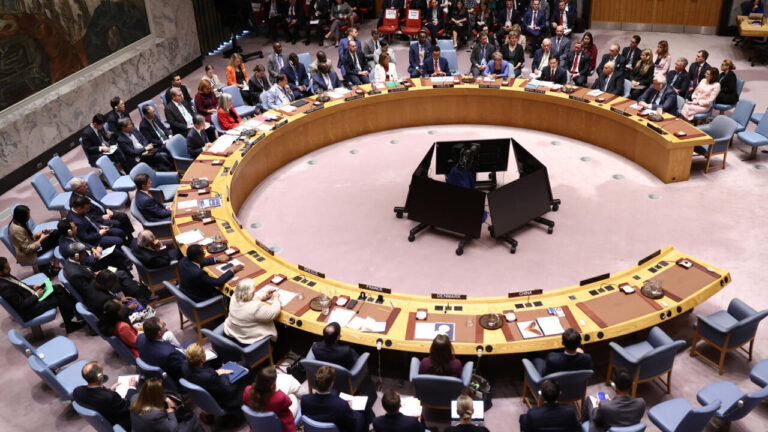
The United Nations Security Council on Monday adopted a US-drafted resolution endorsing President Donald Trump’s 20-point plan for post-war Gaza, including the deployment of an International Stabilisation Force (ISF) and the creation of a transitional governing body.
Thirteen countries voted in favor, with Russia and China abstaining—allowing one of the most far-reaching Gaza resolutions in years to pass without a veto. The UK, France and Somalia were among those supporting the measure.
A spokesperson for UN Secretary-General António Guterres called the vote “an important step in consolidating the ceasefire,” but cautioned that carrying out the plan will require complex coordination among regional and international actors.
Hamas Rejects Resolution
Hamas swiftly condemned the decision, saying the plan violates Palestinian sovereignty and places Gaza under “international guardianship.”
In a statement on Telegram, the group argued the ISF would not be a neutral force, claiming its mandate—disarming militant groups and overseeing security—aligns it with Israeli interests.
“Assigning the international force tasks inside Gaza, including disarming the resistance, strips it of neutrality,” Hamas said.
What the Resolution Does
Under the plan, the ISF will work jointly with Israel, Egypt, and a newly trained Palestinian police force to:
- secure border areas
- permanently disarm non-state armed groups, including Hamas
- dismantle tunnel networks
- remove stockpiled weapons
- assist in protecting civilians
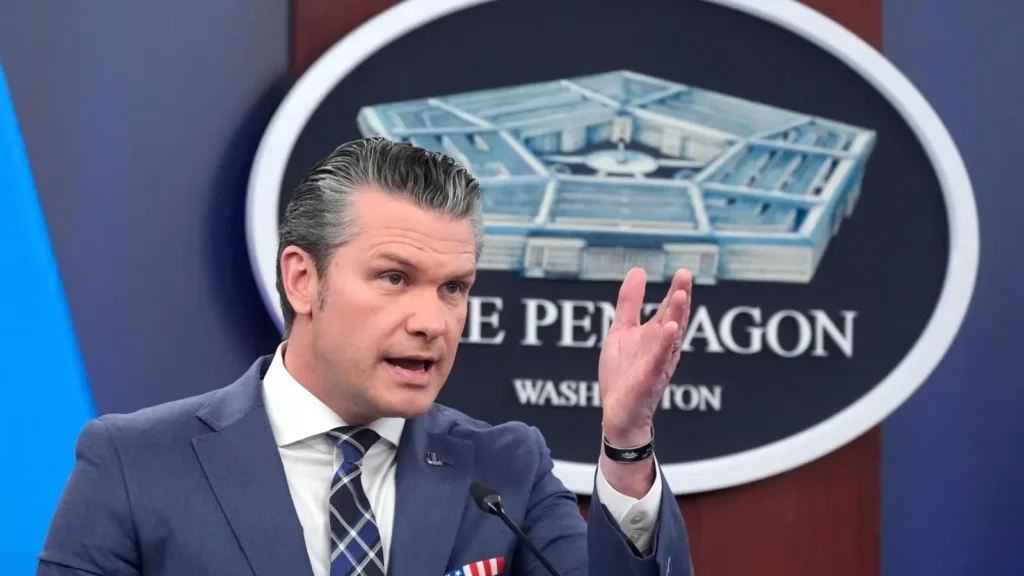
US Ambassador to the UN Mike Waltz said the force would help “dismantle terrorist infrastructure” and “ensure the safety of Palestinian civilians.”
The resolution also establishes a transitional governing authority called the Board of Peace (BoP), which will oversee administration in Gaza, coordinate humanitarian relief, rebuild institutions, and manage reconstruction planning. A World Bank–supported trust fund will finance long-term rebuilding.
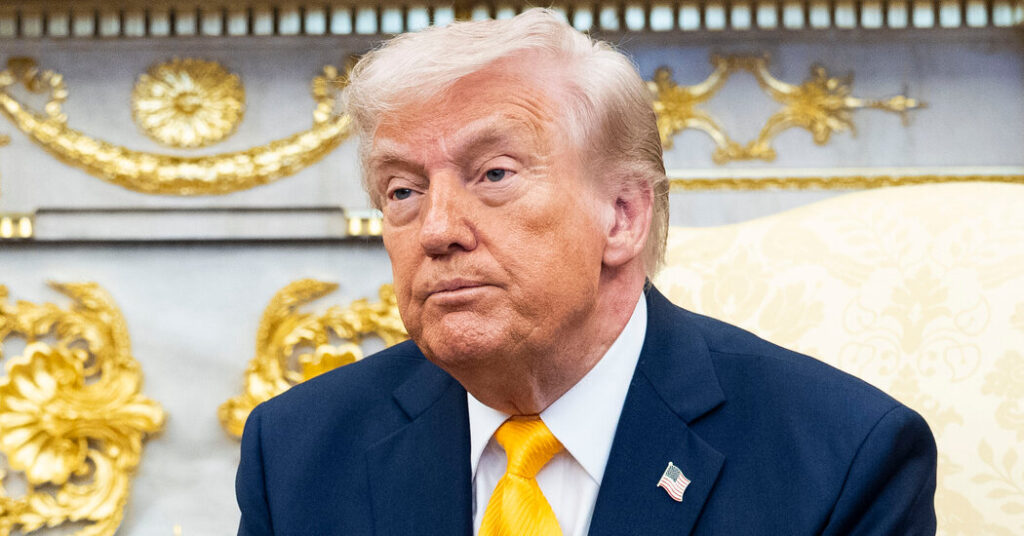
Trump celebrated the vote as “historic,” calling it an international endorsement of the BoP, which he is expected to chair.
Language on Palestinian Statehood Included
At the insistence of Arab states, the final version includes references to Palestinian self-determination and a pathway toward statehood—phrasing Israel strongly opposes and which remains a major obstacle for any political settlement.
Guterres’s spokesperson urged that the resolution “must translate into concrete action” and help revive a credible two-state peace process.
Russian and Chinese Objections
While Russia and China declined to block the resolution, both criticized the document for:
- providing insufficient detail on the ISF’s makeup
- lacking guarantees of direct UN oversight
- failing, in their view, to strongly reaffirm the two-state framework
Their abstentions reflected deference to the Palestinian Authority and several Arab and Muslim-majority states that supported the measure.
The first phase of Trump’s Gaza plan—calling for a ceasefire and an exchange of hostages and detainees—began on 10 October. Waltz described the current pause as “a fragile first step.”
The war erupted after Hamas-led militants attacked Israel on 7 October 2023, killing around 1,200 people and taking 251 hostages. Since then, Israel’s offensive has killed at least 69,483 Palestinians, according to Gaza’s health ministry.