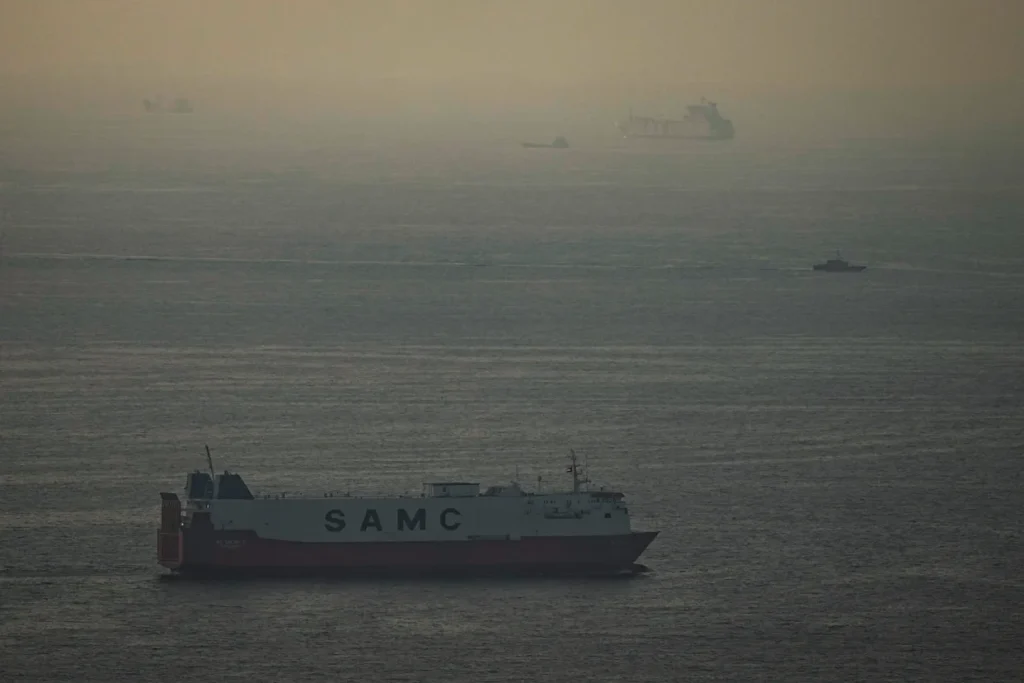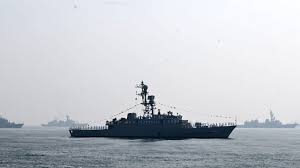
The sinking of an Iranian warship by a U.S. submarine Tuesday in international waters of the Indian Ocean — far from the main theater of fighting — has raised new questions about the legality of the strike under international law.
The vessel was reportedly operating near Sri Lanka when it was targeted by the United States Navy. Military law experts say the ship would clearly have been a legitimate target if the United States had formally declared war on Iran. Because no such declaration exists, the legal framework surrounding the attack is less clear.
Iran’s foreign minister, Abbas Araghchi, condemned the strike, calling it an “atrocity” and warning that Washington would regret the precedent it had set.
“The U.S. will come to bitterly regret the precedent it has set,” Araghchi said.
Legal and military analysts say the episode underscores the broader debate in Washington over whether Congress should formally authorize the expanding conflict. Fighting has already drawn in more than a dozen countries as Iran continues launching drones and missiles beyond the Persian Gulf region.
The United States House of Representatives voted Thursday against a resolution that would have invoked war powers restrictions on the president’s authority. A similar measure failed the previous day in the United States Senate, with both votes largely falling along party lines.
Retired Lt. Col. Rachel VanLandingham, a former judge advocate general in the U.S. Air Force, said the strike illustrates why Congress should have formally addressed the conflict earlier.
“This underscores why Congress should have approved this in the first place,” she said. “This is a war where they’re going to go after the Iranian Navy — even when those assets are far from the Middle East.”
VanLandingham noted that Iran’s naval forces operate widely across international waters, meaning confrontations could occur well beyond the immediate conflict zone.
Under the laws of armed conflict, former U.S. government lawyers say an Iranian warship would typically be considered a lawful military target during a declared war. Without that formal declaration, however, the debate surrounding such strikes becomes more political than strictly legal, experts say.