Trump’s second-term State of the Union comes at a pivotal political moment, as he defends controversial policies and seeks momentum ahead of high-stakes midterm elections.
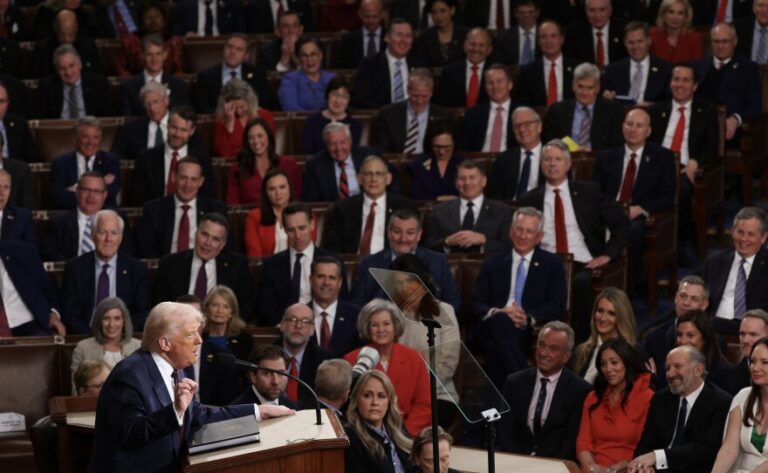
When President Donald Trump delivers the first State of the Union address of his second term on Tuesday night, he will step into the House chamber with a clear objective: to make a forceful case for his sweeping policy agenda before a national audience — and with control of Congress hanging in the balance ahead of November’s midterm elections.
A year ago, shortly after returning to office, Trump declared that “America is back” in a speech to a joint session of Congress. He outlined an ambitious platform built on lowering consumer prices while imposing global tariffs, carrying out large-scale deportations of immigrants living in the country illegally, and fundamentally restructuring federal governance.
Since then, the president has pursued those promises with aggressive and often controversial executive actions. His administration has moved to expand presidential authority in both domestic and foreign policy, pushing the boundaries of executive power in ways that have sparked legal challenges and political backlash. Public opinion surveys now show growing dissatisfaction among Americans, with increasing opposition to elements of his agenda.
Tuesday’s address also presents an opportunity for Trump to rally support on two urgent fronts.
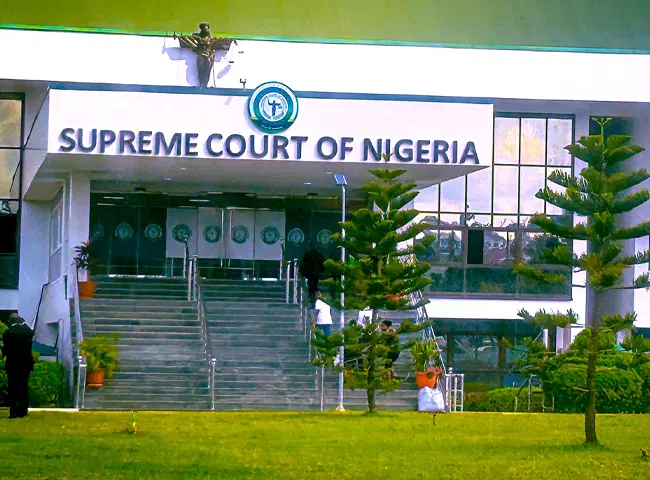
The first is the escalating confrontation with Iran, a standoff that could potentially draw the United States into military conflict if diplomatic tensions deteriorate further. The second is his tariff policy, a cornerstone of his economic strategy that suffered a significant legal setback last week when the Supreme Court of the United States struck down key portions as unlawful.
The ruling adds a dramatic backdrop to the evening. By longstanding tradition, several Supreme Court justices are expected to attend the address and sit prominently in front of the president — potentially including conservative justices Trump himself appointed, some of whom joined the majority opinion limiting his tariff authority. Their presence could inject tension into the chamber, particularly given Trump’s history of publicly criticizing members of the judiciary, at times in personal terms.
As lawmakers, military leaders, and members of the Court gather under one roof, the address will test Trump’s ability to unify his party, persuade skeptical Americans, and reset the narrative at a moment when his presidency faces mounting political and legal challenges.