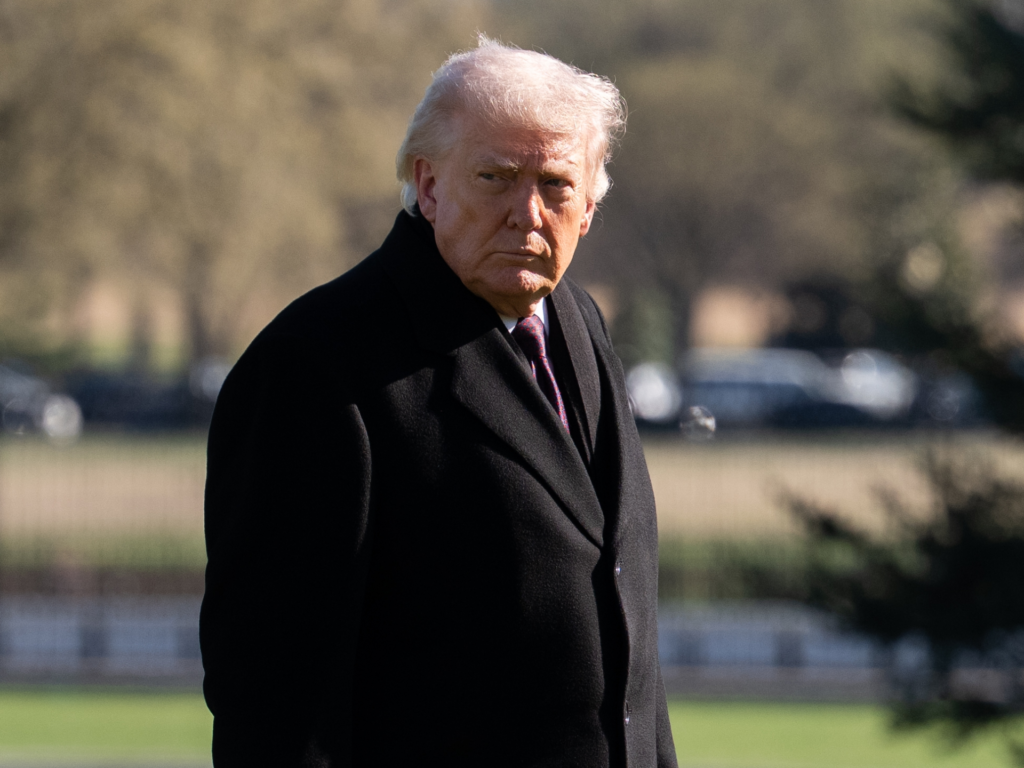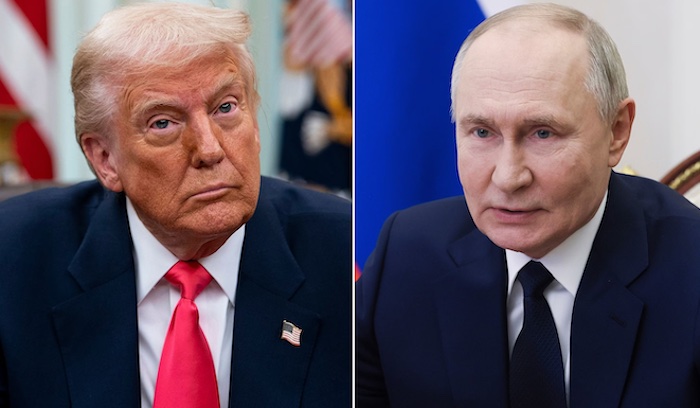
As Russia’s brutal war in Ukraine continues with no end in sight, the Kremlin has confirmed that a high-level meeting between Russian President Vladimir Putin and U.S. President Donald Trump is in the works. Trump, who initiated three prior rounds of failed Russia-Ukraine talks between May and July, said Wednesday, “I’m here to get [the war] over with.”
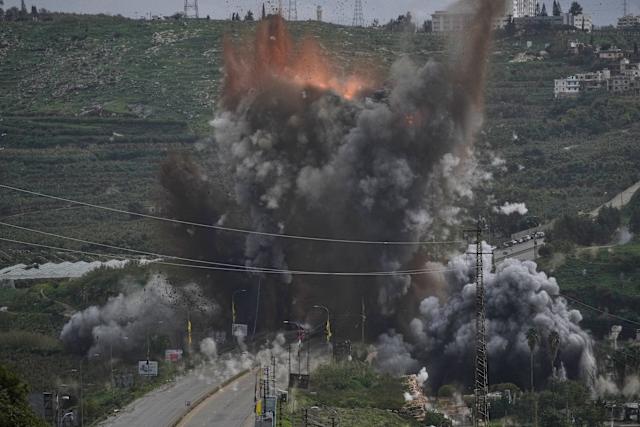
The announcement comes amid an increasingly dire situation on the ground. In eastern Ukraine, Russian forces continue their slow, bloody push forward. Deadly Russian airstrikes rain down on Ukrainian cities almost nightly, while Kyiv responds with persistent drone attacks targeting Russian oil refineries and energy infrastructure.
Despite Trump’s stated desire to broker a ceasefire, the distance between Kyiv and Moscow’s positions remains vast—possibly insurmountable. A Russian memorandum presented to Ukrainian officials in June demands sweeping concessions as part of a “final settlement,” including Ukrainian recognition of Russian sovereignty over Crimea and the occupied regions of Donetsk, Luhansk, Zaporizhzhia, and Kherson. It also calls for Ukraine’s demilitarization, neutrality, exclusion of foreign military ties, and new elections.
“Russia can dress this up however it likes to appear open to talks,” wrote Russian political analyst Tatiana Stanovaya. “But the bottom line hasn’t changed: Russia expects Ukraine to surrender.”
Following a recent meeting between Putin and U.S. envoy Steve Witkoff, Secretary of State Marco Rubio said Washington had gained a clearer picture of the conditions under which Russia might agree to halt hostilities. But so far, there’s no evidence that those conditions have shifted. Putin reaffirmed just last week that Russia’s demands, outlined in June, remain unchanged.
So why would the Kremlin now entertain a meeting with Trump?
Analysts suggest several motives. One is the potential threat of secondary sanctions that Trump has warned could target Moscow’s trading partners as early as Friday. By appearing open to diplomacy, Putin may be attempting to forestall those punitive measures. He may also believe he can persuade Trump to support—or at least accept—Russia’s conditions for ending the war.
Trump’s past stance has raised concerns in Kyiv. Early in his second term, he was widely seen as sympathetic to Moscow, referring to Ukrainian President Volodymyr Zelensky as a “dictator” and blaming him for provoking the conflict. Although Trump has more recently voiced frustration with Putin—remarking in April that “he’s just tapping me along”—he has continued to avoid direct criticism of the Russian leader and has declined to say whether he believes Putin is being honest about seeking peace.
Trump’s deference to Putin during their 2018 Helsinki summit, where he sided with the Kremlin over U.S. intelligence agencies on election interference, still casts a long shadow. Ukrainian officials fear a repeat scenario—this time with potentially irreversible consequences for their sovereignty.
As a result, Kyiv is pushing to be included in any ceasefire talks, wary that a deal struck solely between Trump and Putin could sideline Ukraine’s core interests.
For now, the planned Trump-Putin meeting raises hopes of a breakthrough, but the underlying facts on the battlefield—and at the negotiating table—suggest the war’s end remains distant.