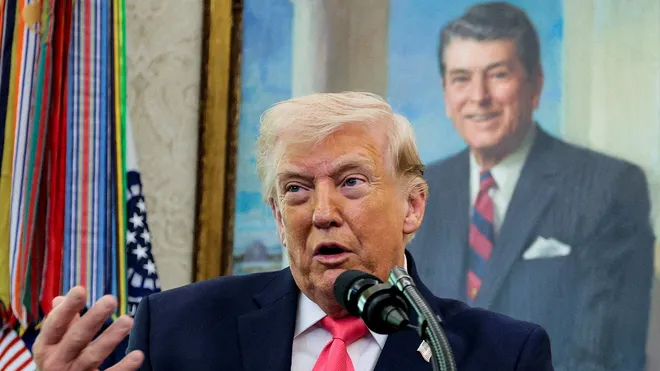
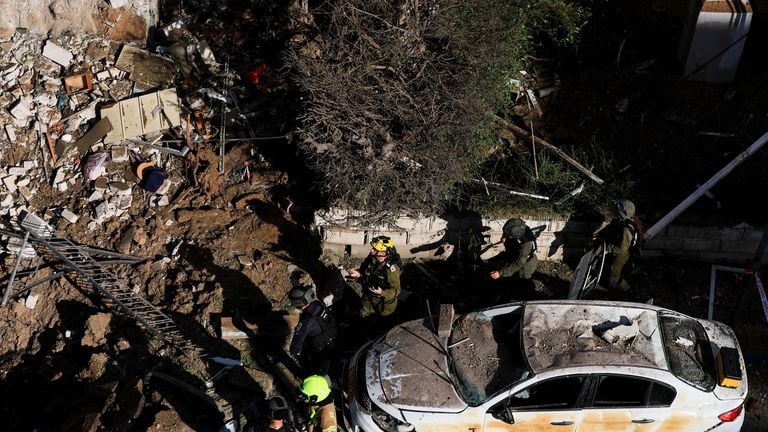
President Donald Trump on Friday defended the federal and state handling of the catastrophic flash floods that struck Kerr County, Texas, on July 4, killing at least 120 people, including many children.
Speaking during a visit to the devastated Hill Country region, Trump praised the response efforts led by Texas Governor Greg Abbott and Homeland Security Secretary Kristi Noem. “Given the circumstances, I think everyone did an incredible job,” Trump said at a roundtable event in Kerr County, the hardest-hit area.
However, tensions flared when Trump was confronted with concerns from grieving families who said flood warnings came too late. “I don’t know who you are, but only a very evil person would ask a question like that,” Trump snapped at one reporter.
The administration is facing growing scrutiny over whether proposed budget cuts to the National Weather Service (NWS) and the Federal Emergency Management Agency (FEMA) may have weakened disaster preparedness or delayed forecasts. Officials have denied the cuts had any operational impact, though staffing shortages in local NWS offices remain.
Trump also declined to clarify whether he still intends to reduce FEMA’s role or shift more responsibilities to individual states, a plan he floated earlier this year. “I’ll tell you some other time,” he said when asked directly on Tuesday.
Meanwhile, questions are mounting over the region’s local preparedness. Kerr County had previously opted not to implement an early-warning system, citing unsuccessful attempts to secure state funding. Longtime Kerrville resident Lawrence Walker, 67, said the emergency response only improved after water levels surged dramatically. “They got it together once the water was up to 8 feet,” he said. “But where was the prevention?”
Governor Abbott, for his part, deflected blame when asked about local and state readiness. “That’s the word choice of losers,” he said when pressed on whether Texas could have done more to prevent loss of life.
As recovery operations continue and families mourn, both federal and state leaders are being urged to re-evaluate disaster readiness, funding, and communication systems to prevent such tragedy in the future.