The Trump administration has initiated large-scale layoffs across multiple federal agencies, in what officials describe as an aggressive cost-cutting measure tied to the ongoing government shutdown — now entering its second week with no resolution in sight.
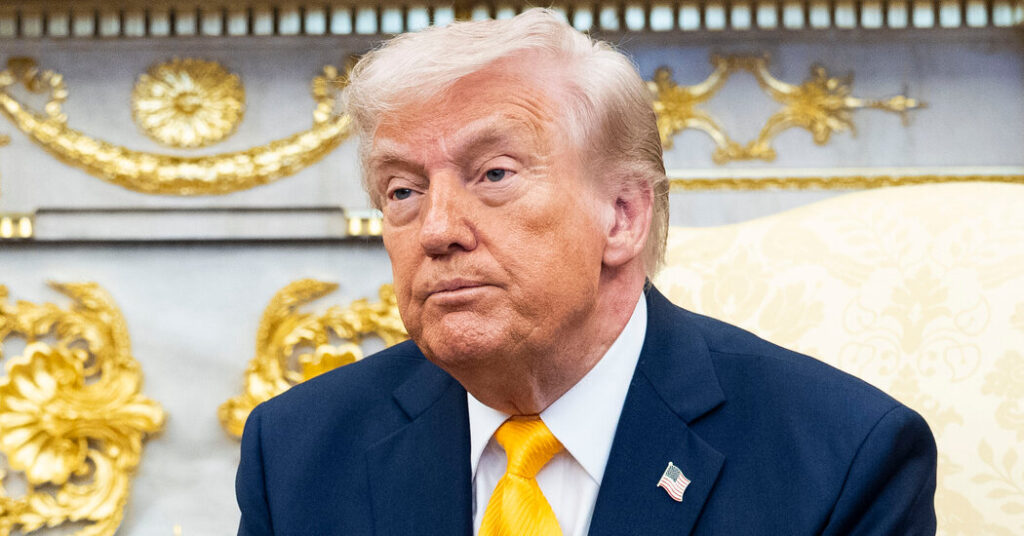
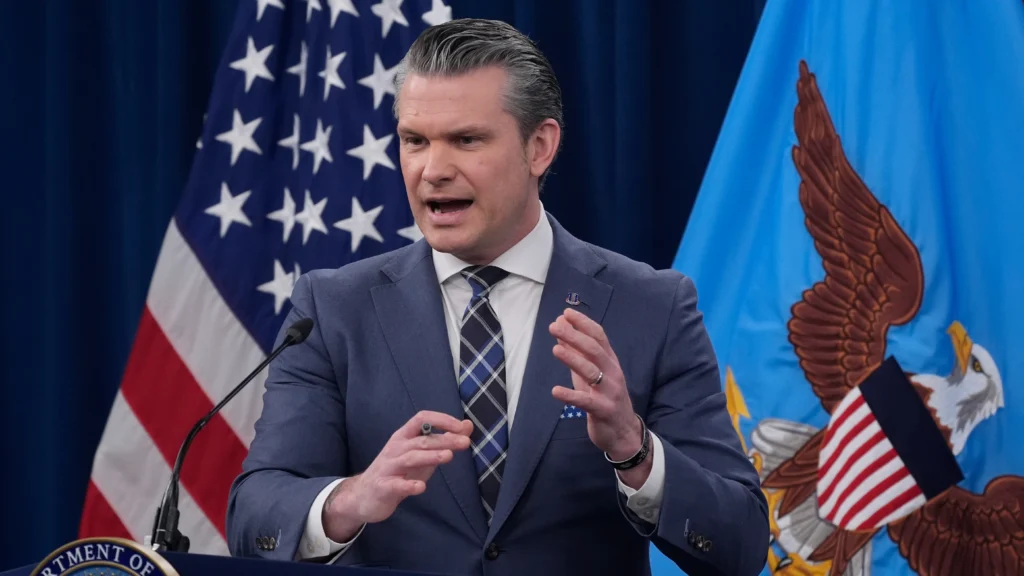
White House Office of Management and Budget (OMB) Director Russell Vought announced the move Friday morning, declaring on X (formerly Twitter) that “the RIFs have begun” — referring to “reductions in force,” the formal mechanism for permanent dismissals of federal employees. OMB later confirmed the cuts would be “substantial.”
“The President, through OMB, has determined that agencies should operate more efficiently and has directed them to consider steps to optimize their workforces in light of the ongoing lapse in appropriations,” government attorneys wrote in a court filing opposing a legal challenge to the terminations.
According to official documents filed late Friday, at least 4,000 federal employees have already begun receiving layoff notices across seven major agencies. These include:
- 1,446 Treasury Department staff
- Up to 1,200 Health and Human Services employees
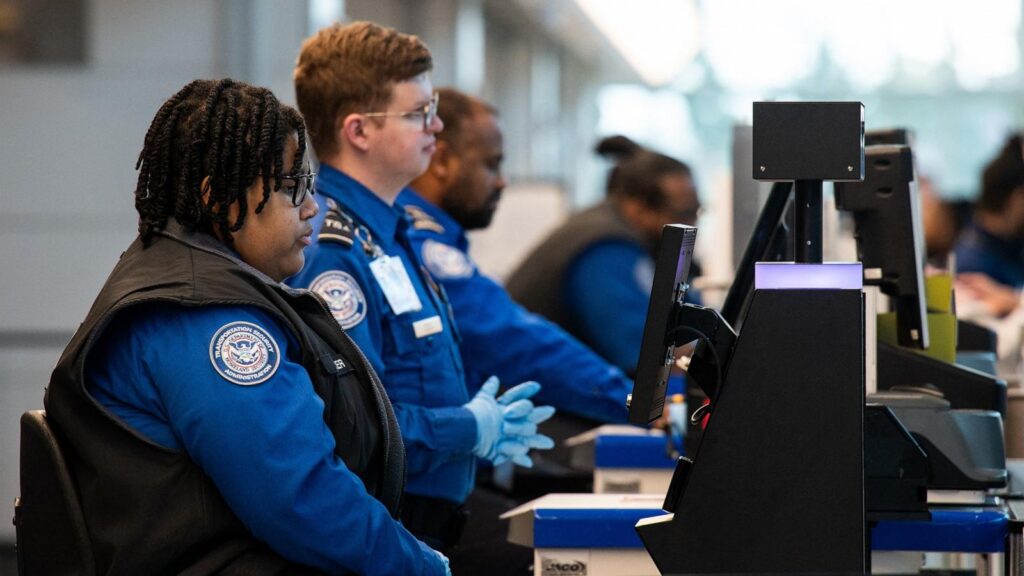
- Layoffs at the Departments of Education, Commerce, Energy, Housing and Urban Development, and Homeland Security
- Preliminary “intent to RIF” notices sent to 20–30 employees at the Environmental Protection Agency
The American Federation of Government Employees (AFGE) and the AFL-CIO swiftly condemned the layoffs, filing an emergency motion in federal court in Northern California to halt the dismissals.
“It is disgraceful that the Trump administration has used the government shutdown as an excuse to illegally fire thousands of workers who provide critical services to communities across the country,” said AFGE President Everett Kelley.
The unions argue that terminating federal employees during a funding lapse violates long-standing labor protections and legal precedent. Government lawyers, however, maintain that the layoffs are within the executive’s rights, and claim that blocking them would “irreparably harm the government.”
These reductions mark a sharp escalation in the government shutdown, which began when Congress failed to pass a funding bill. Traditionally, furloughed workers are temporarily off-duty and later reinstated with back pay. However, Trump administration officials have suggested this time may be different, as permanent layoffs replace temporary furloughs.
Senator John Thune (R-SD) defended the administration’s actions:
“They held off for 10 days. At some point they were going to have to make these decisions and prioritize where they’re going to spend money when the government is shut down.”
But Senate Minority Leader Chuck Schumer (D-NY) criticized the move as “deliberate chaos,” accusing President Trump of weaponizing the shutdown to push longstanding ideological goals of shrinking the federal bureaucracy.
The layoffs align with a broader federal downsizing campaign spearheaded by the Department of Government Efficiency (DOGE) — a White House initiative originally launched under Elon Musk’s direction during Trump’s second term. Since January, the federal workforce has reportedly shrunk by nearly 200,000 employees, according to data from the Partnership for Public Service.
Outplacement firm Challenger, Gray & Christmas reports that nearly 300,000 public sector jobs have been eliminated in 2025, the vast majority from federal agencies.
Roughly 750,000 federal workers — about 40% of the total workforce — are currently affected by the shutdown, either furloughed or working without pay.
At the heart of the stalemate is a standoff over Republican spending priorities, which exclude Democratic demands for extended health-care tax credits and reversal of Medicaid cuts. Republicans accuse Democrats of “holding the government hostage,” while Democrats insist the proposed budget would undermine critical social programs.
With no agreement in sight and layoffs accelerating, the shutdown has plunged thousands of federal employees into economic and professional uncertainty.
“We’re not just numbers,” said one furloughed EPA scientist. “We are people with families, mortgages, and responsibilities — and we’re being used as pawns in a political game.”
As the crisis deepens, pressure is mounting on both parties to break the impasse before permanent damage is done to the federal government’s ability to function — and to the lives of those who serve it.