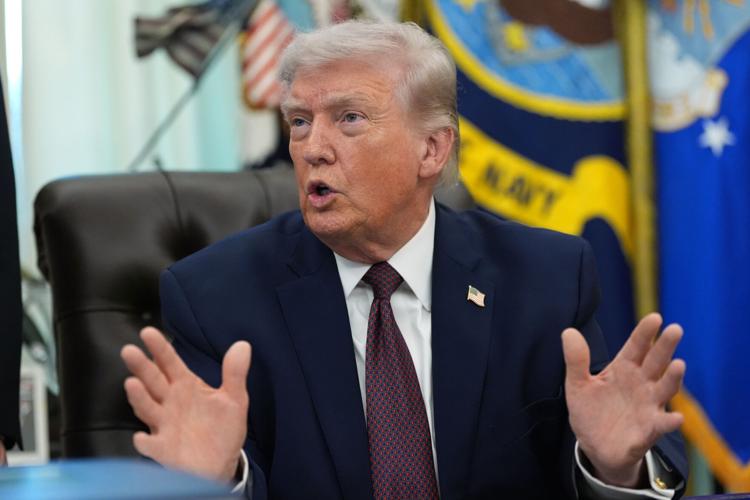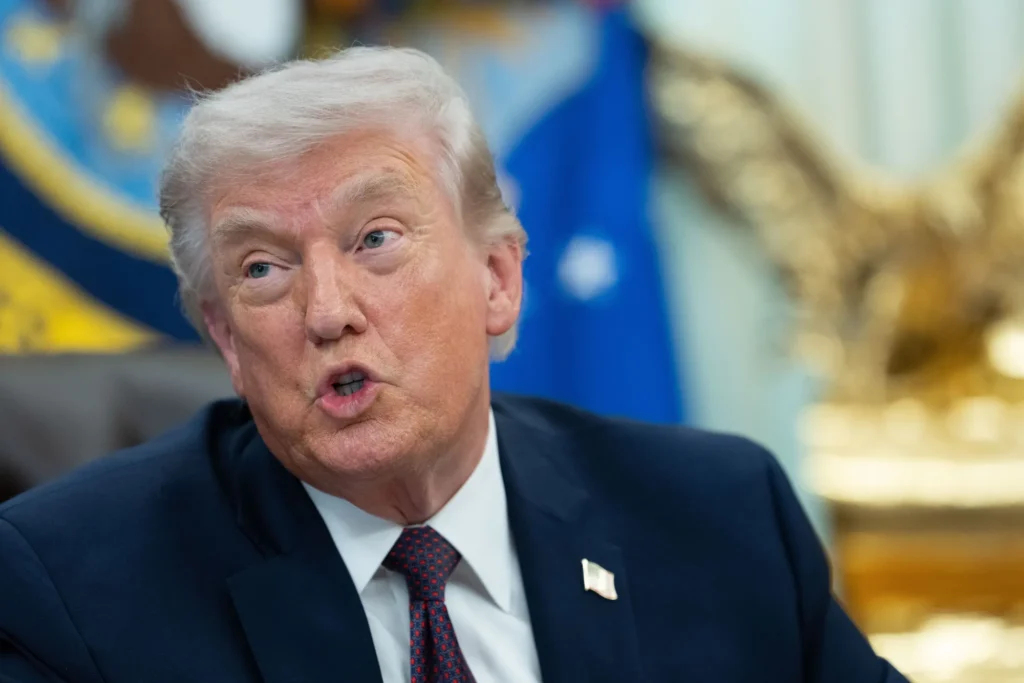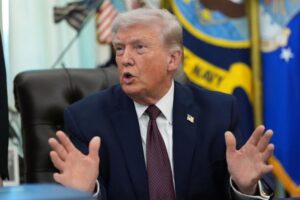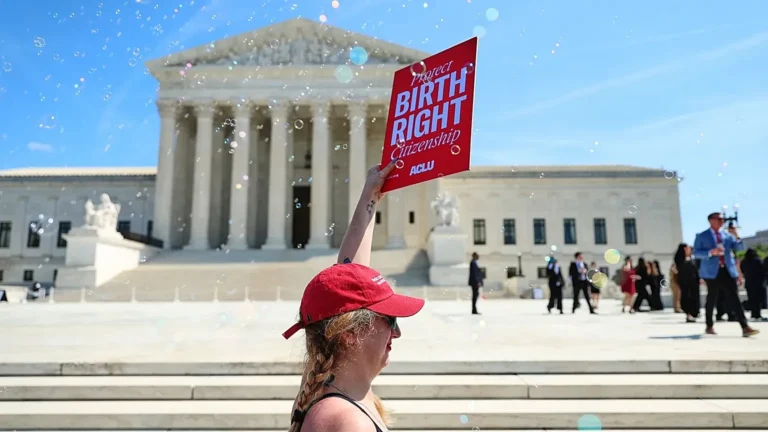
President Donald Trump made history on Wednesday by becoming the first sitting U.S. president to attend oral arguments at the U.S. Supreme Court, where justices appeared doubtful of his administration’s effort to restrict birthright citizenship.
During more than two hours of arguments, several justices—including members of the Court’s conservative wing—questioned the legal basis of Trump’s executive order, signaling potential resistance to redefining longstanding interpretations of citizenship.
Chief Justice John Roberts described the administration’s reasoning as “quirky,” while Justice Brett Kavanaugh rejected comparisons to foreign citizenship laws, emphasizing that U.S. legal interpretations must rely on American history and precedent.
The case centers on the meaning of a key phrase in the 14th Amendment—“subject to the jurisdiction thereof.” The Trump administration argues this language limits automatic citizenship to children of parents who are legally and permanently settled in the United States.
Opponents, including the American Civil Liberties Union, contend that the amendment broadly guarantees citizenship to nearly all individuals born on U.S. soil, with only narrow exceptions such as diplomats.
The policy under challenge was enacted through an executive order signed on Trump’s first day back in office, seeking to overturn more than a century of legal precedent.
Following the hearing, Trump defended his position on social media, reiterating his opposition to birthright citizenship.
Legal analysts say the tone of the questioning suggests the Court may be reluctant to support the administration’s attempt to significantly alter a foundational principle of U.S. citizenship law.