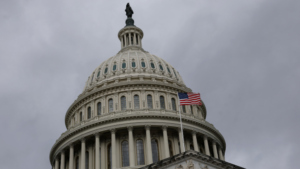
The U.S. Supreme Court on Friday partially lifted nationwide injunctions that had blocked enforcement of President Donald Trump’s executive order aimed at ending birthright citizenship for children born in the U.S. to undocumented or temporary immigrants. The 6–3 decision, authored by Justice Amy Coney Barrett, did not address the constitutionality of Trump’s order but focused instead on the authority of lower courts to issue sweeping injunctions.
The ruling marked a significant win for Trump’s administration, allowing limited implementation of the executive order while legal challenges continue.
Barrett wrote that the government’s request for a stay was granted “only to the extent that the injunctions are broader than necessary to provide complete relief to each plaintiff with standing to sue.” The decision effectively curtails the use of universal or nationwide injunctions by district judges, a practice increasingly criticized by conservatives.
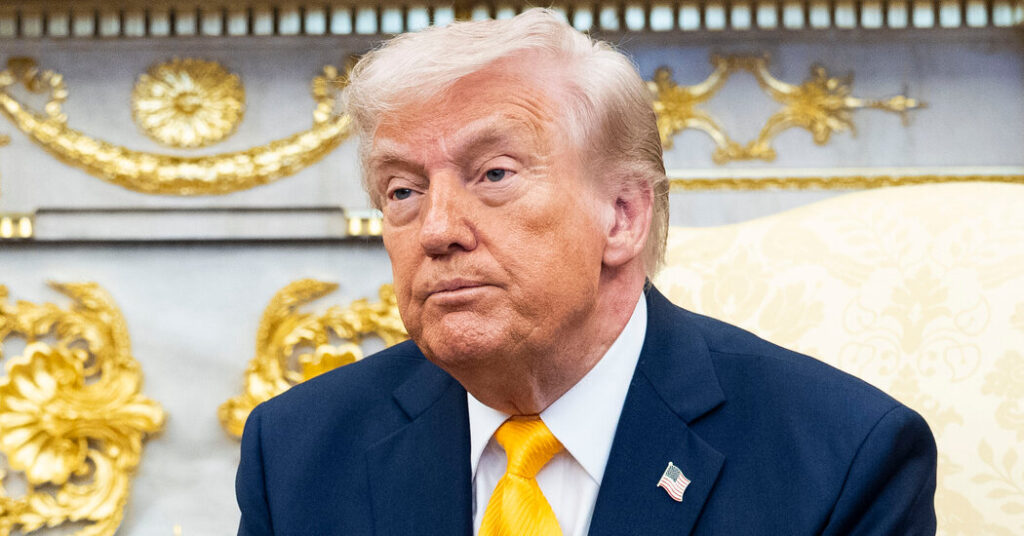
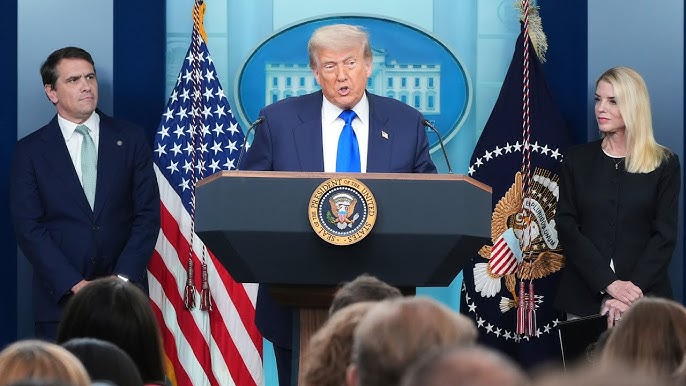
In a rare appearance in the White House briefing room, Trump praised the ruling as “a monumental victory for the Constitution, the separation of powers, and the rule of law.”
Despite the ruling, the executive order itself remains under judicial review, and affected plaintiffs remain protected under narrower, plaintiff-specific injunctions. The order is set to take effect in 30 days, allowing Trump to begin preparing its implementation.
Barrett clarified that relief for plaintiffs would not be enhanced by extending protections to non-parties: “Prohibiting enforcement of the Executive Order against the child of an individual pregnant plaintiff will give that plaintiff complete relief… Extending the injunction to all others similarly situated would not make her relief any more complete.”
The court’s three liberal justices dissented. Justice Sonia Sotomayor, reading her dissent from the bench, issued a sharp rebuke of the majority opinion.
“Today, the threat is to birthright citizenship. Tomorrow, a different administration may try to seize firearms from law-abiding citizens or prevent people of certain faiths from gathering to worship,” she warned. “Because I will not be complicit in so grave an attack on our system of law, I dissent.”
The decision represents a broader ideological shift in how the federal judiciary views the reach of district court rulings, potentially reshaping the legal strategies used to challenge presidential policies.