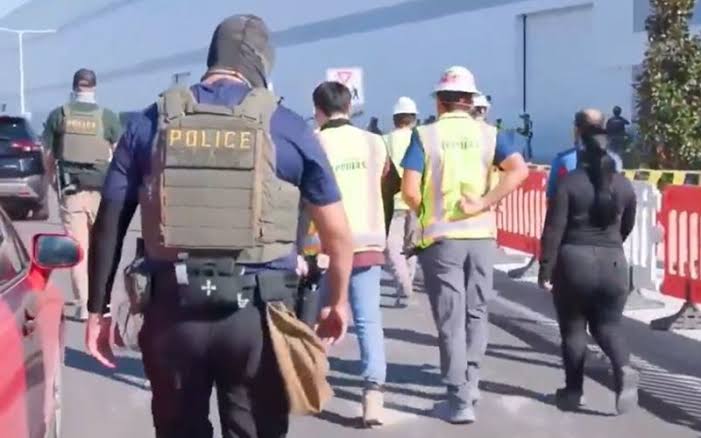
South Korea has confirmed plans to repatriate approximately 300 of its citizens who were detained during a sweeping U.S. immigration raid at a Hyundai Motor electric vehicle battery plant in Ellabell, Georgia, marking the largest single-site workplace enforcement action in U.S. Department of Homeland Security (DHS) history.
The raid, which took place last Thursday, resulted in the detention of 475 workers, the majority of whom were found to be South Korean nationals allegedly employed without proper work authorization. The facility is part of a $4.3 billion joint venture between Hyundai Motor and LG Energy Solution, hailed as one of Georgia’s most significant economic projects to date.
According to Seoul officials, negotiations with U.S. authorities have concluded, and formal processing for the release and return of the detained workers is underway. A chartered aircraft will be dispatched once the necessary paperwork is completed. South Korean media outlet Yonhap News Agency, citing Consul General Cho Ki-joong, reported that the group may return as early as Wednesday.
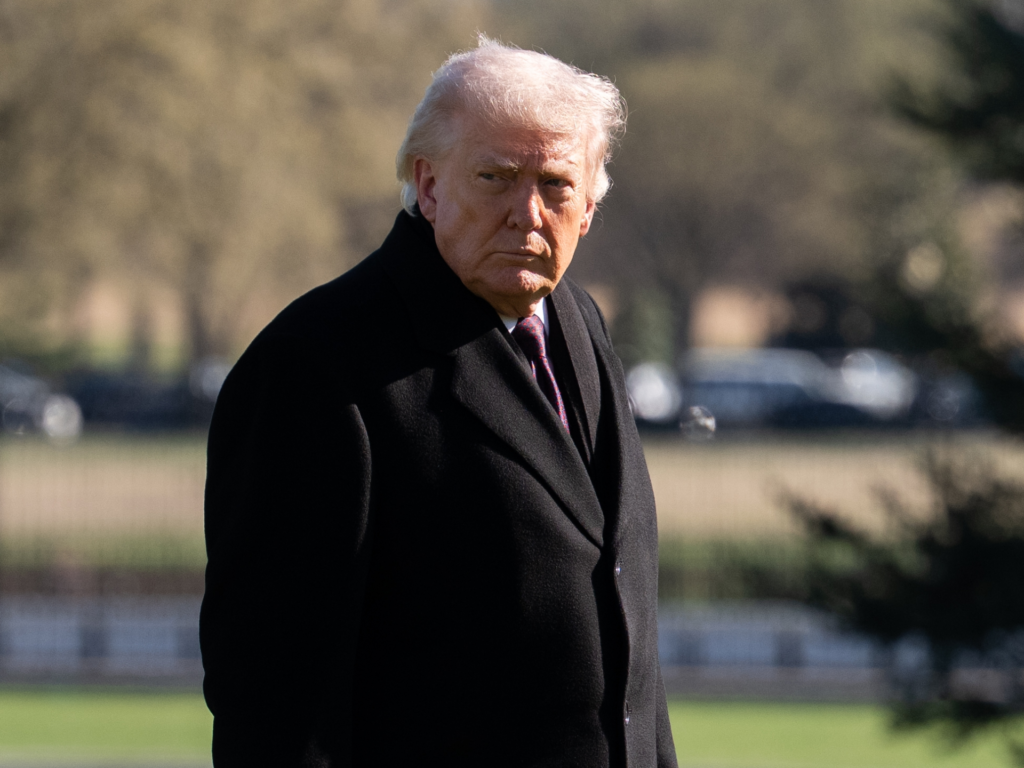
The incident has cast a shadow over recent diplomatic overtures. Just ten days before the raid, U.S. President Donald Trump and South Korean President Lee Jae Myung held a summit where they pledged closer economic cooperation and lauded the strength of their alliance. Now, however, Seoul has voiced “deep concern” over the arrests and viral footage showing Korean workers being led away in shackles, often surrounded by armored DHS vehicles.
In a statement, South Korea’s presidential chief of staff Kang Hun-sik said the government is now reviewing overseas worker visa procedures and exploring ways to avoid future diplomatic embarrassments. “We will seek improvements to the system to ensure this does not happen again,” he noted.
The DHS said the raid was conducted under a federal warrant, citing “unlawful employment practices” and claims that a significant number of employees lacked legal work authorization. Tom Homan, White House border czar, defended the move, emphasizing the Trump administration’s renewed focus on immigration enforcement at worksites.
While Hyundai Motor asserted that none of the arrested individuals were directly employed by the company, LG Energy Solution acknowledged that 47 of its own employees were among those detained, and it has since suspended most U.S.-related staff travel.
The timing of the raid is particularly sensitive, as both nations work to finalize a new bilateral trade agreement, which includes a $350 billion fund to support Korean business operations in the U.S. Hyundai, in turn, has pledged to expand its American footprint with $26 billion in additional investments, including a state-of-the-art robotics facility.
President Trump is expected to attend the Asia-Pacific Economic Cooperation (APEC) summit in South Korea this October, which may offer an opportunity for further diplomatic discussions surrounding the raid and its aftermath.