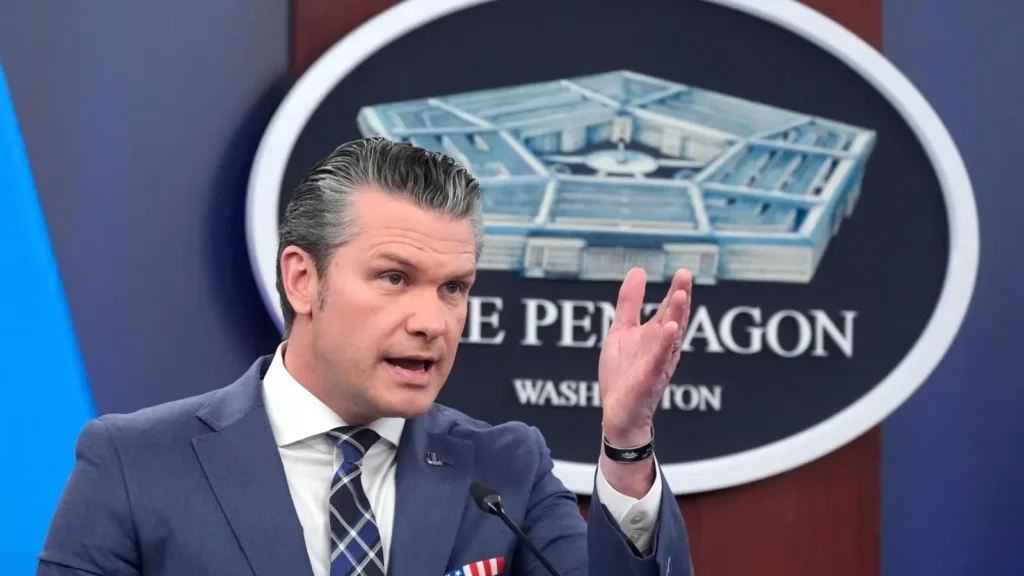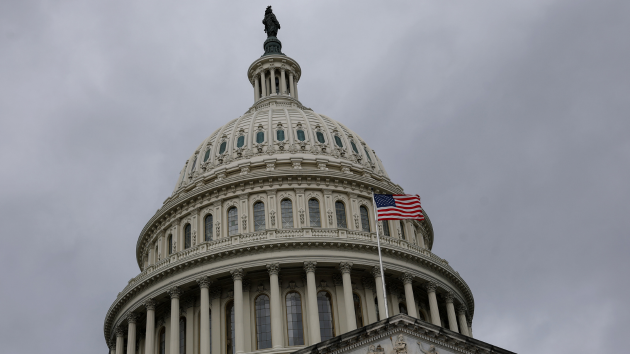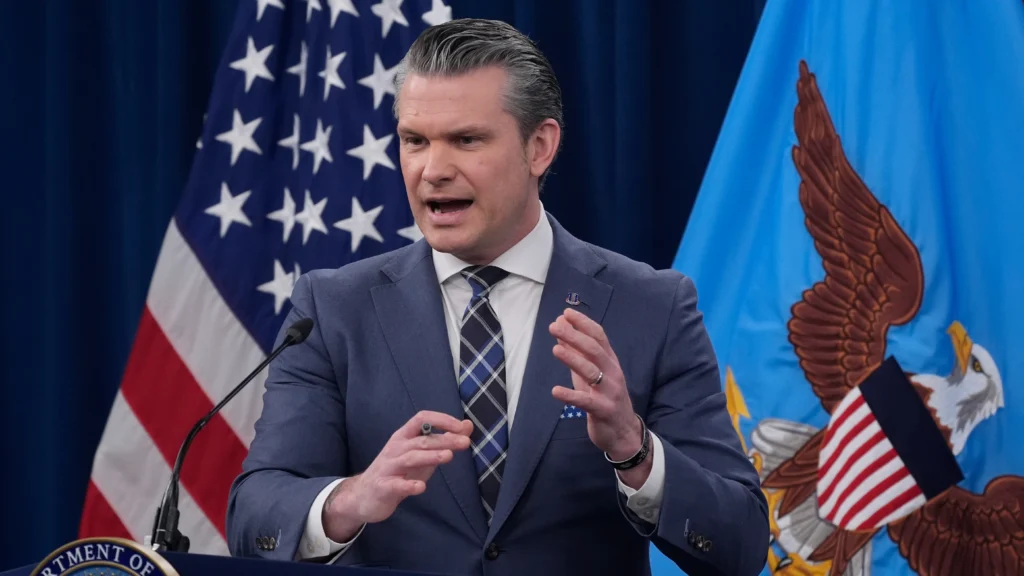
Efforts by Senate Democrats to curb President Donald Trump’s authority to escalate military action against Iran failed on Friday, as Senate Republicans voted to block a resolution that would have required Trump to seek congressional approval for future strikes.
The resolution, introduced by Sen. Tim Kaine (D-Va.), sought to reassert Congress’ war powers following U.S. airstrikes that targeted three Iranian nuclear sites last weekend. The measure was narrowly defeated in a 53-47 vote, with Sen. John Fetterman (D-Pa.) breaking ranks to vote with Republicans and Sen. Rand Paul (R-Ky.) casting the lone GOP vote in support.
Kaine argued the resolution was about ensuring democratic oversight and preventing unilateral decisions that could lead to war. “We shouldn’t send our sons and daughters into war unless there’s a political consensus that this is a good idea,” he said. He emphasized the measure would not restrict defensive actions but would require congressional debate before initiating further offensive military action.
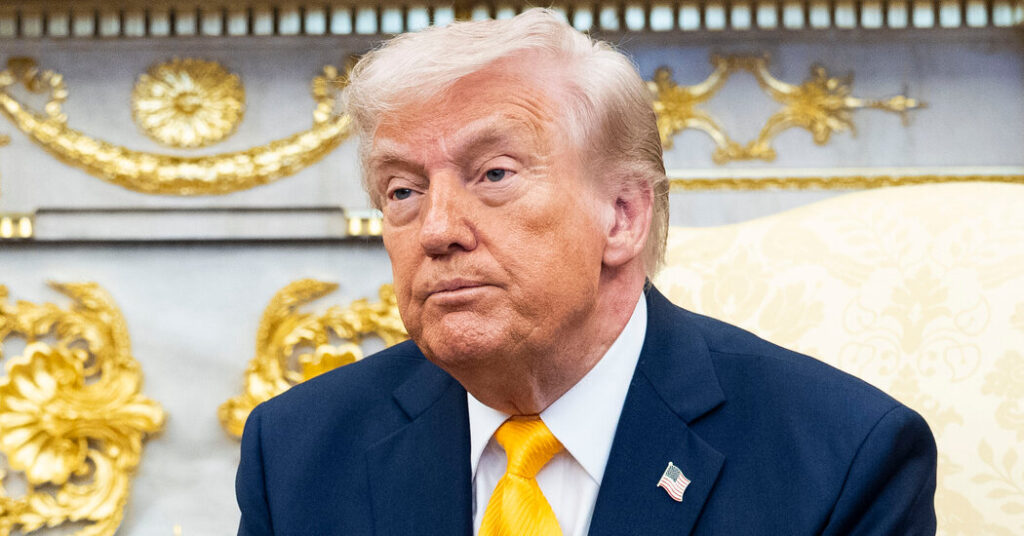
President Trump, asked Friday if he would authorize another strike on Iran, responded, “Sure, without question.”
Most Republicans rallied around Trump, defending his decision to bypass Congress as a necessary response to what they claimed was an imminent threat posed by Iran. “We must not shackle our president in the middle of a crisis when lives are on the line,” said Sen. Bill Hagerty (R-Tenn.).
Democrats questioned that justification, expressing concern over a lack of transparency and the delayed briefings from the White House. Lawmakers were not briefed until Thursday—several days after the strikes occurred.
Sen. Paul, one of the few Republicans to break with the party line, warned that the operation could have unintended consequences. “Despite the tactical success of our strikes, they may end up proving to be a strategic failure,” he said. “It is unclear if this intervention will fully curtail Iran’s nuclear aspirations.”
In a statement following the vote, Kaine said he was “disappointed” that many senators were unwilling to affirm Congress’ constitutional role in decisions of war. Democrats cited the War Powers Resolution of the 1970s, which requires the president to consult with Congress “in every possible instance” before deploying U.S. forces.
Trump, for his part, sent a letter to Congress earlier this week claiming the strikes were “limited in scope and purpose” and aimed at deterring future attacks. But that reassurance failed to convince skeptical lawmakers. “There was no imminent threat to the United States,” said Rep. Jim Himes (D-Conn.), the top Democrat on the House Intelligence Committee, following a classified briefing Friday.
Though the resolution failed, the debate highlighted growing concern in Congress over the use of executive military power without prior legislative consent—especially as tensions with Iran remain high.