Nigeria’s Senate has passed the Electoral Act 2022 (Repeal and Re-enactment) Amendment Bill 2026, but its decision to block mandatory electronic transmission of election results has ignited fresh controversy ahead of the 2027 general elections.
The bill scaled through its third reading yesterday after intense pressure from the media and civil society groups. However, lawmakers voted against an amendment to Clause 60(3) that would have compelled presiding officers of the Independent National Electoral Commission (INEC) to transmit results electronically from polling units to the IReV portal in real time once Form EC8A is completed and signed.
Instead, the Senate retained the wording of the 2022 Electoral Act, which provides that “the presiding officer shall transfer the results, including the total number of accredited voters and the results of the ballot, in a manner as prescribed by the Commission.”
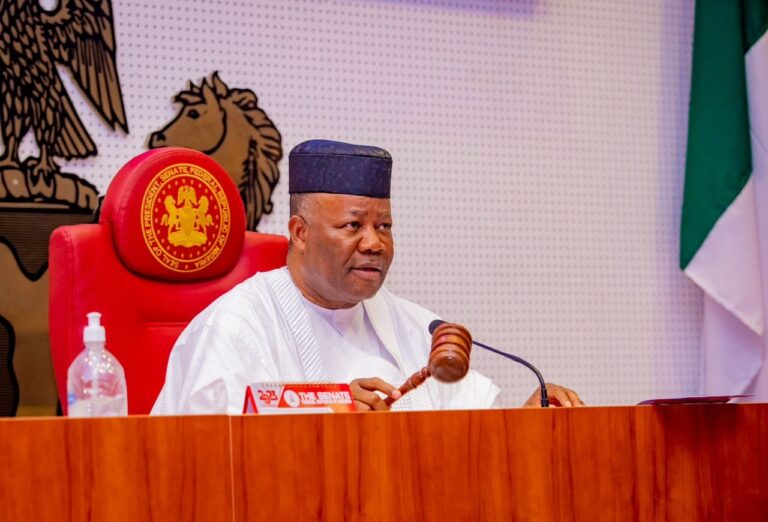
Senate President Godswill Akpabio, reacting immediately after the passage, dismissed claims that electronic transmission had been removed from the law, insisting that the chamber only maintained the existing framework used during the 2022 elections.
During clause-by-clause consideration, the upper chamber also rejected a proposal seeking a 10-year jail term for buyers and sellers of Permanent Voter Cards (PVCs). Lawmakers opted to keep the current two-year imprisonment but increased the fine from ₦2 million to ₦5 million under Clause 22.
Several timelines in the electoral process were adjusted. Clause 28 was amended to reduce the notice of election period from 360 days to 180 days before polling, while Clause 29 shortened the deadline for political parties to submit candidates’ lists and affidavits from 180 days to 90 days before elections. The amendment states that “every political party shall, not later than 90 days before the date appointed for a general election under this Act, submit to the Commission… the list of the candidates the party proposes to sponsor at the elections.”
The Senate retained Clause 44 on ballot paper inspection, allowing political parties to verify their identities on electoral materials not later than 20 days to an election, with a two-day window to respond. Clause 47 formally replaced smart card readers with the Bimodal Voter Accreditation System (BVAS), but lawmakers rejected electronically generated voter identification, maintaining the Permanent Voter’s Card as the only acceptable means of identification at polling units.
In another key decision, Clause 142 on the effect of non-compliance was struck out. The provision would have allowed petitioners to rely solely on documentary evidence without oral testimony, but senators argued it could encourage abuse of the judicial process.
The bill will now proceed to harmonisation between the Senate and the House of Representatives before being transmitted to President Bola Tinubu for assent.
The rejection of mandatory electronic transmission drew swift condemnation from political actors. Former Vice President Atiku Abubakar described the move as “a deliberate assault on electoral transparency” and warned that it favours incumbents ahead of 2027. He said, “Real-time electronic transmission of results is not a partisan demand; it is a democratic safeguard.”
The Labour Party called the decision “a shameful betrayal of Nigerians,” while the Turaki-led Peoples Democratic Party said it was “harmful to democratic consolidation.” APGA founder, Chief Chekwas Okorie, accused lawmakers of dragging Nigeria back into the “Stone Age,” and former PDP Deputy National Chairman, Chief Olabode George, said the development was “shocking” and deeply disappointing.
Amid the backlash, Akpabio again insisted that reports of a total rejection of electronic transmission were misleading. “This Senate under my watch has not rejected the electronic transmission of results,” he said, urging the public not to be swayed by social media narratives.
Meanwhile, INEC Chairman, Prof. Joash Amupitan, disclosed in Abuja that the Commission had already finalised the timetable for the 2027 general elections based on the 2022 Act, while urging lawmakers to expedite the amendment process. He also announced plans for a nationwide voter revalidation exercise, stressing that “dead men don’t vote,” as INEC moves to clean up the 93.4 million-strong voters’ register ahead of upcoming elections.