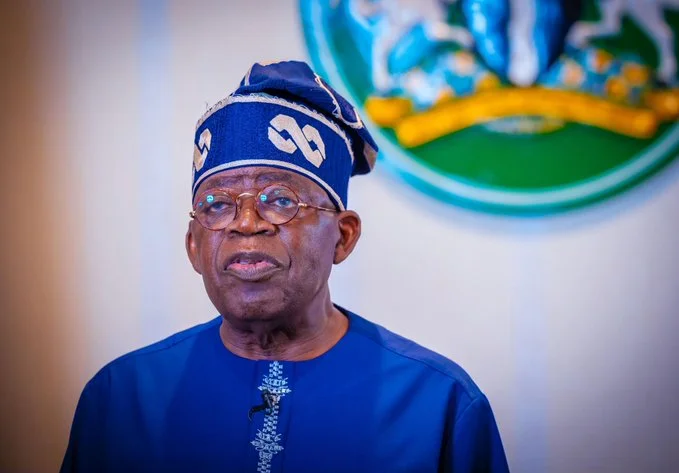
The Electricity Act 2023 has been signed by President Bola Tinubu, according to sources in the presidential villa, and this is believed to be the second bill signed into law, on Thursday he signed the bill on uniform retirement age for judicial officers into law, two weeks after his assumption of office.
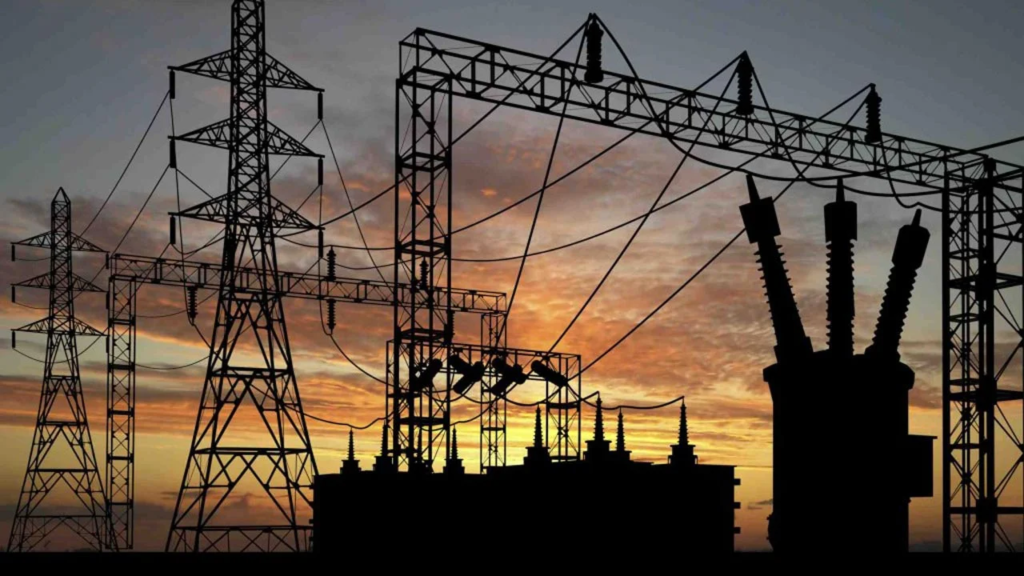
The bill’s main objective is to provide a thorough legal and administrative framework to direct the Nigerian Electricity Supply Industry (NESI).
The Electricity and Power Sector Reform Act of 2005 is replaced by the new law, which removes the national monopoly on electricity generation, transmission, and distribution and gives states, businesses, and private citizens more freedom to produce, transmit, and distribute electricity.
The National Assembly initially approved the law in July 2022.
Under the newly signed act, state governments can now issue licenses to private investors who can operate mini-grids and power plants within the state. However, the Act precludes interstate and transnational electricity distribution.
Also, under the Act, electricity generating companies will be mandated to either generate power from renewable energy sources, purchase power generated from renewable energy or procure any instrument representing renewable energy generation.
The Electricity Act also mandates the imposition of renewable purchase obligations on distribution or supply licensees.
Furthermore, the Act also states that anyone may construct, own or operate an undertaking for generating electricity not exceeding 1 megawatt (MW) in aggregate at a site or an undertaking for the distribution of electricity with a capacity not exceeding 100 kilowatts (KW) in aggregate at a site, or such other capacity as NERC may determine from time to time, without a license.
*How It Affects NERC*
Based on the Electricity Act of 2023, the Nigerian Electricity Regulatory Commission (NERC) will be allowed to control the domestic electricity market in Nigeria without interfering with the states’ authority to enact legislation, establish domestic electricity markets, and control those markets.
The Act specifies how NERC can delegate its regulatory duties to state regulators once they are constituted. Until a state passes legislation governing its power market, NERC will continue to oversee all electricity-related transactions made in those states.
For now, Lagos, Edo, and Kaduna states already have electricity market laws and can start regulating their market. But for other states without such laws, NERC will regulate. NERC will still carry out cross-border regulations – generation, and transmission across states will still be regulated by NERC.
Ada Peter