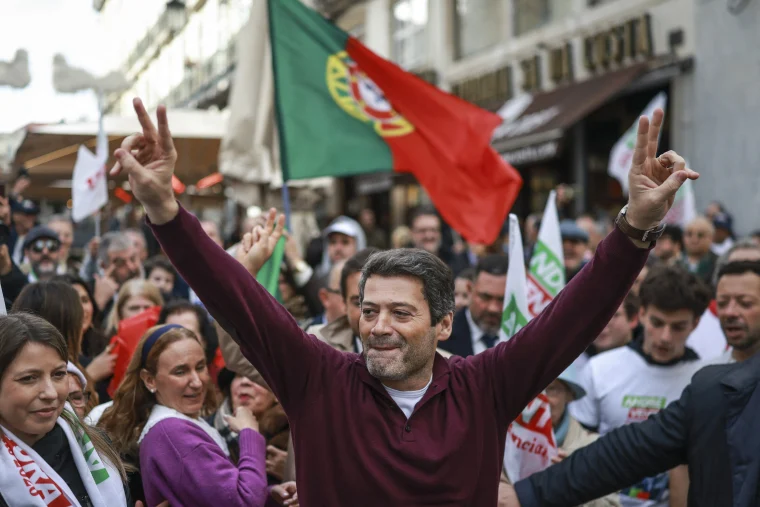
Portuguese voters lined up at polling stations on Sunday to elect a new president, with opinion surveys indicating a close race among three leading candidates, including the head of the far-right Chega party, and the likelihood of a rare second-round runoff.
Since Portugal ended its fascist dictatorship five decades ago, only one presidential election — in 1986 — has gone to a runoff, underscoring how fragmented the country’s political landscape has become amid rising support for the far right and growing voter dissatisfaction with traditional parties.
While Portugal’s presidency is largely ceremonial, the office carries significant constitutional powers, including the authority to dissolve parliament under certain conditions, call snap legislative elections, and veto legislation.
About 11 million voters are eligible to cast ballots. Polling stations are scheduled to close at 7 p.m. local time (1900 GMT), with exit polls expected an hour later and official results anticipated overnight.
The latest pre-election survey, released Friday by Pitagórica, showed Socialist candidate António José Segundo leading with 25.1% support, followed closely by Chega leader André Ventura at 23%, and João Cotrim de Figueiredo of the pro-business Liberal Initiative party at 22.3%.
In May’s parliamentary election, Chega — founded just seven years ago on an anti-establishment and anti-immigration platform — became the main opposition party after securing 22.8% of the vote.
Other recent polls have placed Ventura marginally ahead at times, though always within the margin of error. Runoff projections suggest Ventura would likely lose in a second round due to a high rejection rate, with more than 60% of voters viewing him unfavorably.