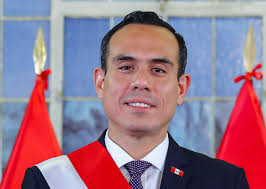
Peru’s Congress voted Tuesday to remove President José Jerí from office just four months into his term, deepening a prolonged period of political instability in the Andean nation.
Seventy-five lawmakers supported the motion to oust Jerí, while 24 voted against it and three abstained. Under Peru’s constitutional framework, Congress will now elect a new legislative leader who will also assume the presidency, making the incoming officeholder the country’s eighth president in as many years. Jerí is the third consecutive Peruvian president to be removed before completing a full term.
The vote follows revelations that Jerí held undisclosed late-night meetings with Chinese businessman Zhihua Yang, a retail operator with interests in an energy concession. The controversy — dubbed “Chifagate,” a reference to the local term for Chinese restaurants — erupted after footage surfaced last month showing Jerí arriving at a restaurant wearing a hood to meet Yang. The encounter had not been publicly disclosed.
Lawmakers backing the motion argued that the episode underscored broader concerns about transparency and governance. Congresswoman Ruth Luque, who supported the censure, said Peru needed leadership focused on public security and national interest ahead of the transition to a new administration.
“We ask to end this agony so we can truly create the transition citizens are hoping for,” Luque said. “Not a transition with hidden interests, influence-peddling, secret meetings and hooded figures.”
Jerí assumed the presidency in October after Congress unanimously removed his predecessor, Dina Boluarte, amid mounting corruption allegations and public anger over rising crime. Right-wing parties that had previously backed Boluarte withdrew their support, paving the way for Jerí’s brief tenure.
Political analysts say the rapid succession of leadership changes reflects a fractured political class struggling to respond to persistent voter concerns, including insecurity and corruption. With national elections scheduled for April 12, further volatility could deepen public distrust.
“It strikes me that there is no trace of high-mindedness here, only electoral calculations,” said Michael Shifter, president of the Inter-American Dialogue, a Washington-based think tank. “Enough lawmakers concluded their support for Jerí would hurt them in elections, so they had to act.”