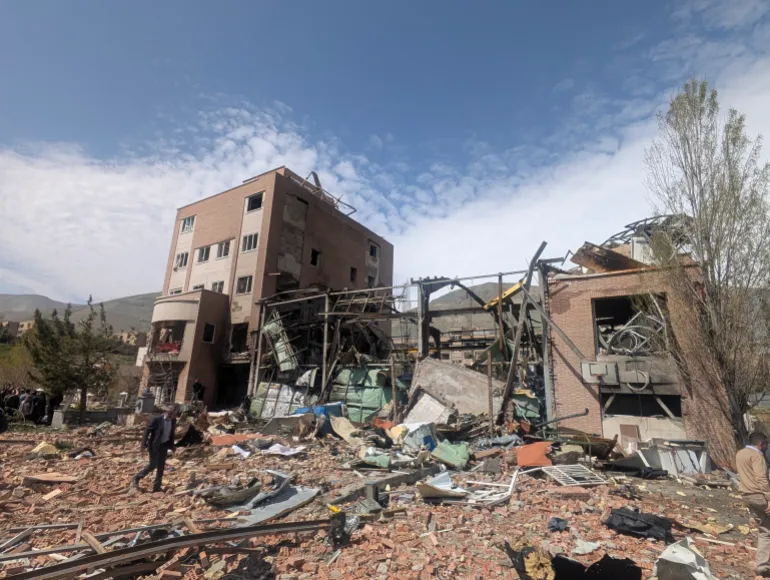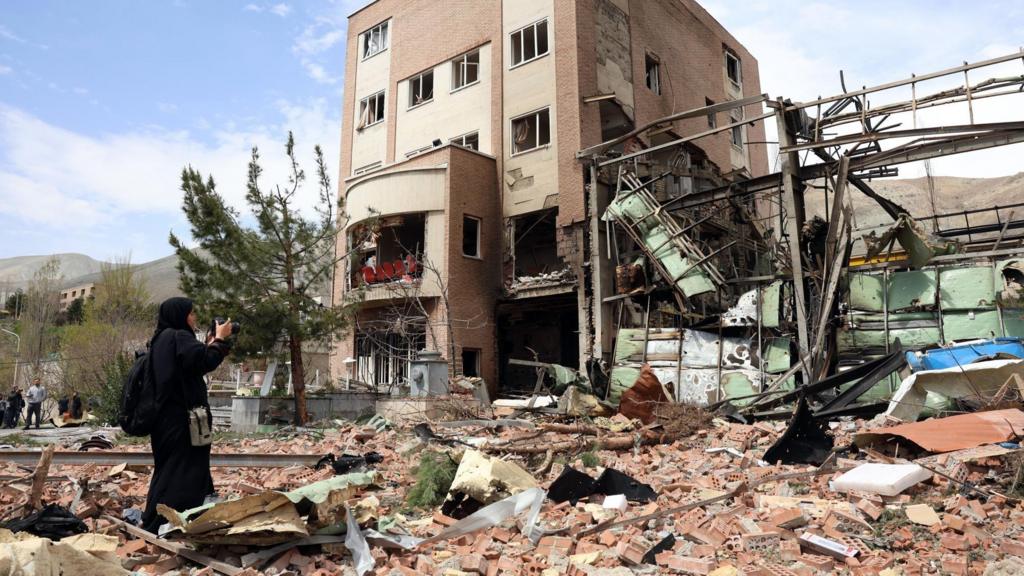
Global oil prices spiked sharply on Thursday, briefly crossing the $100 mark, as renewed attacks linked to Iran intensified fears of a major disruption to the world’s energy supply.
The surge came despite efforts by the International Energy Agency and its member countries to stabilize the market by releasing a record 400 million barrels of crude oil from strategic reserves.
According to the agency, the ongoing Middle East conflict “is creating the largest supply disruption in the history of the global oil market.”
Tensions escalated after retaliatory strikes by Iran effectively shut down the Strait of Hormuz, a critical maritime corridor through which roughly one-fifth of the world’s crude oil is transported.
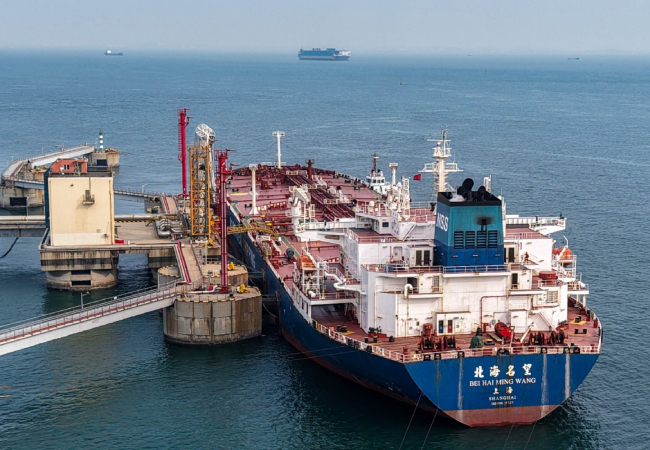
The disruption has already triggered attacks on commercial shipping in the region. Two oil tankers were struck near Iraq, killing at least one crew member, while another cargo vessel caught fire after being hit by shrapnel.
The international benchmark Brent crude climbed as high as $101.59 per barrel, representing a jump of about 38 percent since the conflict began nearly two weeks ago following joint airstrikes by the United States and Israel against Iran.
Despite the price surge, U.S. President Donald Trump signaled that curbing Iran’s nuclear ambitions remains his top priority.
Prices briefly dipped before rising again after Trump said stopping Iran from acquiring nuclear weapons mattered more to him than keeping oil prices under control.
Market analysts say the ongoing attacks on Gulf energy infrastructure and shipping routes have rattled global energy markets. David Morrison of Trade Nation said “energy markets have been rattled by news of Iranian attacks on shipping in the Persian Gulf, along with missiles aimed at countries across the region.”
The spike in oil prices is already affecting other sectors of the global economy. Airlines including Air New Zealand, Cathay Pacific, and Air France-KLM have begun adjusting operations, cancelling flights, adding fuel surcharges, or raising ticket prices as jet fuel costs climb.
Financial markets also reacted to the turmoil. Major indices on Wall Street fell at the opening bell, while stock markets across Europe and Asia closed lower amid growing concerns about inflation and economic instability.
Analysts warn that if oil prices remain elevated for an extended period, the shock could fuel inflation and slow global economic growth.