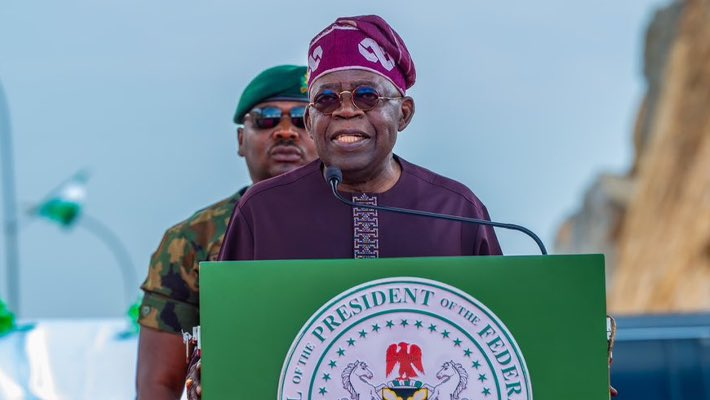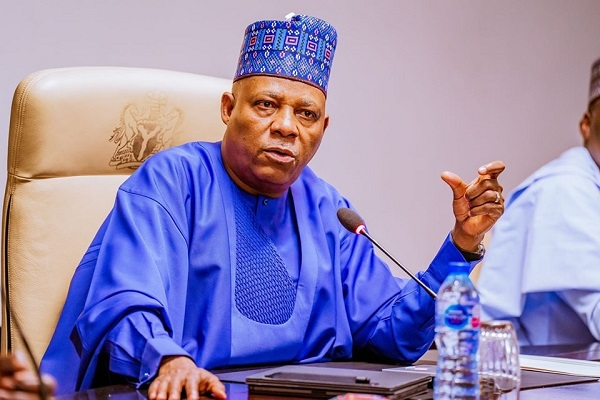
Vice President Kashim Shettima says Nigeria must reduce its overdependence on volatile fossil fuel markets by tapping into its potential in green hydrogen, a shift he believes could unlock billions in investment and generate hundreds of thousands of new jobs.
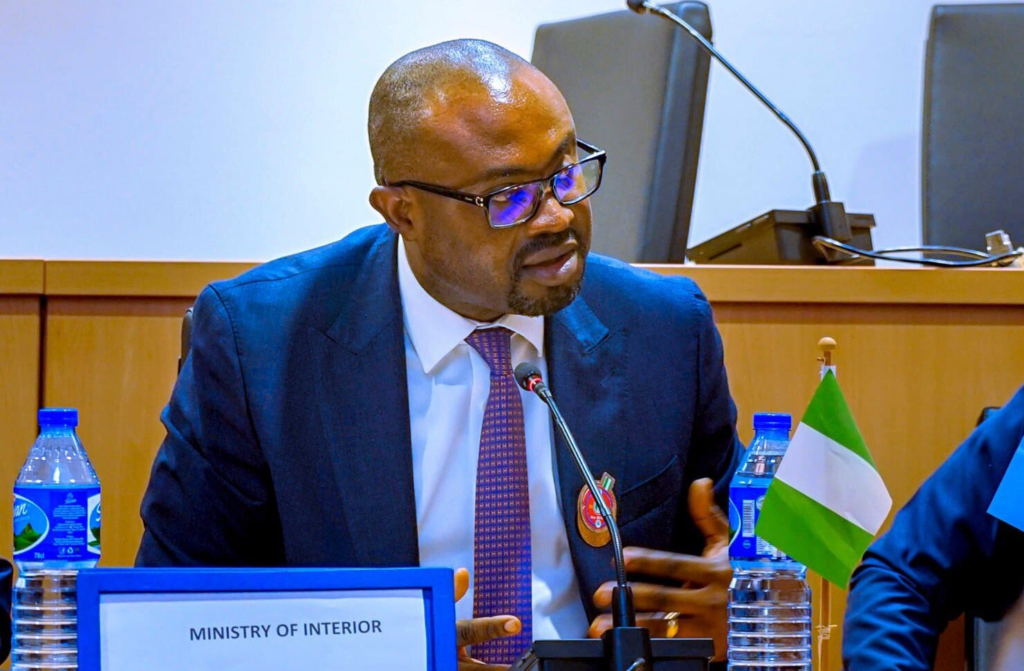
Speaking at the ‘Nigeria 4H₂ Project Results Workshop and End of Project Stakeholders Interaction’ in Abuja over the weekend, Shettima represented by his Special Adviser on Economic Affairs, Dr. Tope Fasua said the country’s green energy roadmap targets $5 billion in private investments and 500,000 new jobs by 2035, alongside $10 billion in annual revenue from green hydrogen exports.
The Nigeria 4H₂ project is a German-supported initiative aimed at evaluating the country’s capacity for producing green hydrogen using renewable energy like solar and wind, with a focus on converting it into fertiliser.
“Green hydrogen offers a compelling pathway to diversify our energy mix, reduce our carbon footprint, and create new economic opportunities,” Shettima said. “Nigeria is uniquely positioned to lead this emerging sector, blessed with abundant sunlight and wind resources.”
He described the Nigeria 4H₂ initiative as a strategic response to the global shift toward clean energy, noting that the hydrogen industry could revolutionise Nigeria’s economy and energy landscape. He called for collaboration among public institutions, private investors, academia, and international partners to bring this vision to reality.
Highlighting the long-term potential, Shettima said the shift to green hydrogen would create value chains across engineering, logistics, manufacturing, and research sectors. “The economic ramifications are colossal,” he said.]
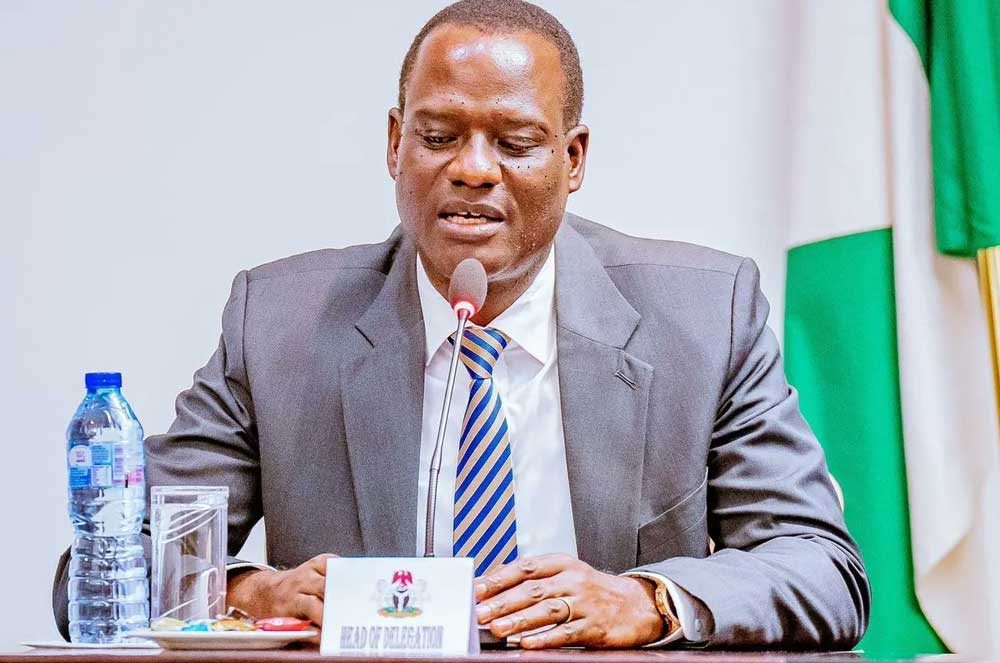
Also speaking at the event, Dr. Mustapha Abdullahi, Director-General of the Energy Commission of Nigeria (ECN), revealed that Nigeria has developed a National Hydrogen Policy and Strategy, which outlines phased activities and projections for the sector.
Represented by Ibrahim Sulu, ECN’s Director of Renewable Energy, Abdullahi said that under Phase 2 of the roadmap (2028–2035), Nigeria plans to:
- Scale hydrogen exports via Lekki Port,
- Attract $5 billion in private investment,
- Create 500,000 jobs,
- Achieve $10 billion in annual hydrogen export revenue, and
- Cut industrial CO₂ emissions by 20% by 2030.
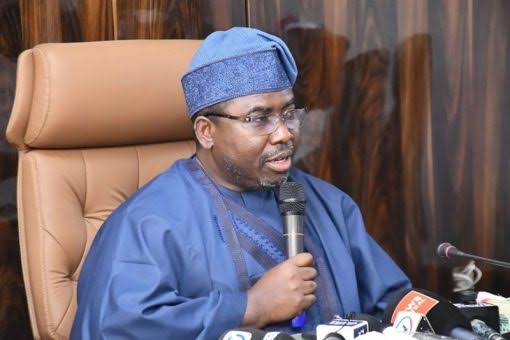
Prof. Emmanuel Ramde, Executive Director of the West African Science Centre on Climate Change and Adapted Land Use (WASCAL), said the Nigeria4H₂ project was developed in collaboration with the Federal University of Technology (Akure and Minna) and Afe Babalola University.
He said Nigeria has the potential to produce over 4 million tonnes of green ammonia annually by 2060, which could not only meet domestic fertiliser demand but also make the country a significant player in the global green economy.
Ramde said the project’s findings demonstrate that with adequate infrastructure, clear regulation, and investment, Nigeria can transform its energy future while addressing key challenges like electricity access, fertiliser shortages, and food insecurity.
The workshop concluded with calls for political will, private sector support, and international collaboration to drive Nigeria’s green hydrogen ambitions forward.