The Nigeria Customs Service (NCS) has launched its One-Stop-Shop (OSS) initiative, a flagship reform aimed at reducing cargo clearance time from an average of 21 days to just 48 hours.
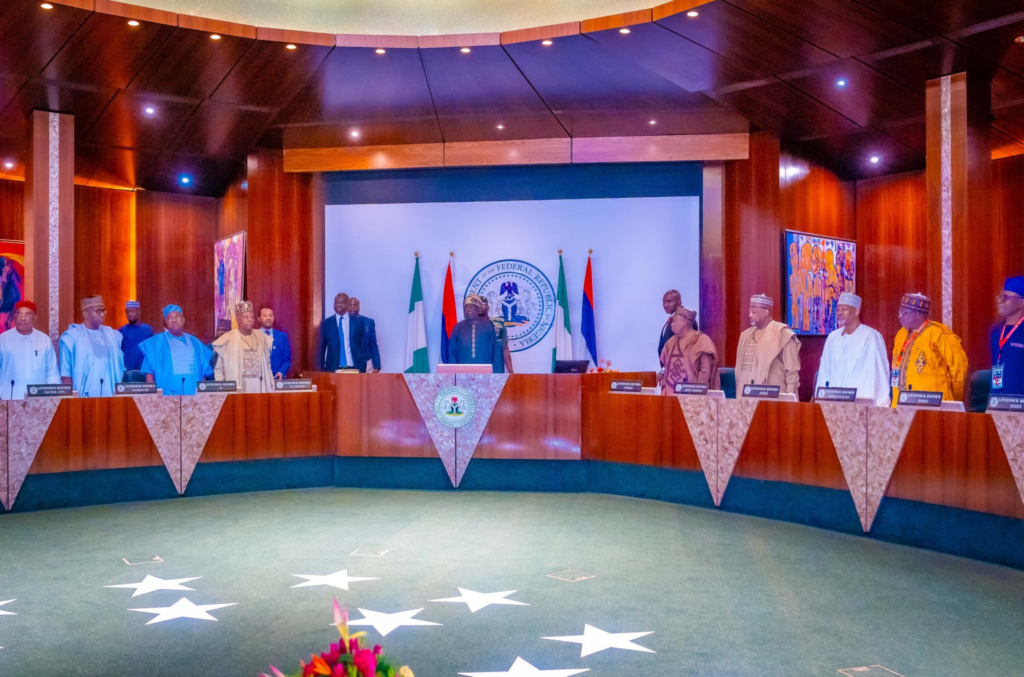
The initiative was introduced in Abuja during a strategic meeting between NCS management and Customs Area Controllers, chaired by Comptroller-General of Customs, Adewale Adeniyi. According to a statement released on Sunday, the meeting focused on advancing the service’s modernisation agenda and strengthening leadership in implementing reforms across commands.
Adeniyi described the OSS as a transformative step aligned with global best practices and the Federal Government’s Ease of Doing Business policy. For decades, cargo clearance at Nigerian ports has been slowed by inefficiencies, delays, and bureaucracy, often stretching to nearly three weeks and driving up costs for businesses.
Under the OSS framework, all customs units will collaborate on flagged declarations, eliminating multiple checks that previously caused bottlenecks. Consignments cleared under the system will not be subject to re-interception, giving traders greater predictability and reducing costs.
“The OSS initiative will not only shorten clearance time from 21 days to 48 hours, but it will also strengthen trader confidence, restore transparency, and make our operations more business-friendly,” Adeniyi said. He explained that the reform seeks to “sanitise operations, cut duplication of efforts, and restore confidence in customs procedures.”
He further noted that while technology remains crucial, physical engagement and coordination among officers are equally vital. “As much as technology has helped us, it has its limits. There are moments when physical presence, coming together under one roof, adds weight and value to our deliberations,” he said.
The OSS will first be piloted at Nigeria’s busiest ports Apapa, Tincan Island, and Onne before being expanded nationwide. The reform is backed by the NCS Act 2023 and aligned with the World Trade Organization’s Trade Facilitation Agreement (WTO TFA), giving it strong legal and institutional support.
“This is not just a policy. It is a statement of intent that reflects our determination to build a modern, transparent, and trader-friendly customs service,” Adeniyi declared.
Customs Area Controllers pledged full support for the initiative, describing it as timely and necessary to reposition the service for greater efficiency in global trade facilitation. They also endorsed a new accountability framework, including a central dashboard to track clearance times, interventions, and stakeholder satisfaction.
Trade experts have said that if fully implemented, the OSS could transform Nigerian ports into competitive hubs, reduce costs, and boost investor confidence. Importers and exporters are expected to benefit from reduced demurrage, faster turnaround times, and more reliable supply chains.
Adeniyi emphasised that the mission is to replace “a culture of delays and bottlenecks” with efficiency, transparency, and predictability making the OSS a pivotal step toward improving Nigeria’s business environment.