The Nigerian Communications Commission (NCC) has unveiled a new set of Corporate Governance Guidelines for the telecommunications sector, introducing stringent sanctions including licence revocation, board dissolution, hefty fines, and licence suspension for operators who fail to comply.
Launched on Wednesday in Lagos and set to take effect in 2025, the new guidelines also prohibit top NCC management from joining the board of any telecom company until five years after leaving the Commission.
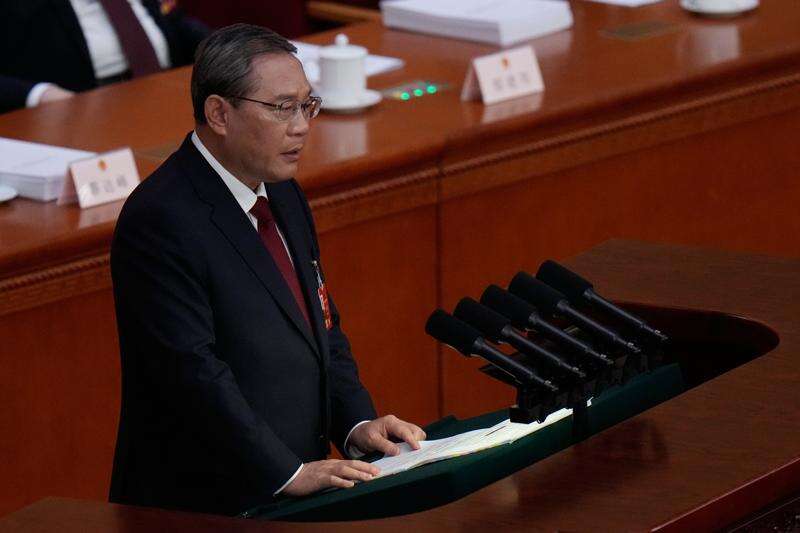
Speaking at the event, NCC Executive Vice Chairman, Dr. Aminu Maida, described strong corporate governance as critical to the long-term sustainability of the telecom industry in Nigeria. He noted that effective governance ensures disciplined capital expenditure, enhanced cybersecurity, reduced service outages, and better customer experience.
“The Guidelines on Corporate Governance 2025 are a decisive step toward a resilient, ethical, and innovative telecoms industry,” Maida said.
He added that sustainable growth in the sector requires well-structured boards and properly incentivized management teams to uphold quality service delivery, strong compliance, prudent risk management, responsible supply chains, and transparent reporting.
Citing a 2024 NCC study, Maida revealed that telecom firms with stronger governance consistently achieved better service performance, higher regulatory compliance, and more resilient financial results.
“The evidence affirms an important truth: good governance is not merely a regulatory requirement it is a strategic imperative for business success and long-term sustainability,” he said.
The study evaluated several governance metrics including board composition and diversity, ethics, audits, risk management, and corporate social responsibility. It found a clear correlation between strong governance and improved performance.
The 2025 guidelines place strong emphasis on board independence and competency. They mandate a balanced mix of Executive Directors (EDs), Non-Executive Directors, and Independent Non-Executive Directors (INEDs), alongside a clear separation of the roles of Chair and CEO. Sector-specific expertise particularly in ICT and cybersecurity is also required at the board level.
The provisions apply to all individual licensees and will be rolled out in phases according to licence category. The aim, Maida said, is to entrench a culture of accountability, adaptability, and sustainable value creation in the telecom industry.
Although enforcement will commence in 2025, the NCC assured stakeholders of ongoing consultations to ensure smooth implementation.
In a related presentation, Dr. Armstrong Takang, CEO of the Ministry of Finance Incorporated (MOFI), said Nigeria’s economic recovery depends on widespread adherence to sound corporate governance both in government and the private sector.
“Many Nigerians blame the government for the poor state of the economy, yet fail to uphold governance principles in their individual corners,” Takang stated.