According to NAHCON, the EFCC would be formally invited to probe the administration of the pilgrims’ funds.
The commission, according to PREMIUM TIMES, was responding to a media allegation suggesting that NAHCON had been dipping its hands in the fraudulently contributed HSS fund.
The House of Representatives ordered NAHCON to stop the savings scheme on Thursday in response to multiple complaints, allowing for a thorough inquiry.
HSS is a voluntary contribution scheme launched by the Hajj Commission in partnership with JAIZ Bank in October 2020 to make it simpler for pilgrims to save money and pay for hajj in installments.
The scheme lacked transparency and accountability, according to lawmakers, who also warned that “if development is not handled, it would lead to corruption in the system and a contravention of current legislation.”
In a statement issued by Fatima Usara, NAHCON’s Acting Director of Public Affairs, NAHCON stated it “supports and welcomes” the investigation by the House Pilgrimage Committee.
He added that “each subscriber to the scheme receives a monthly update of their deposits detailing the earnings that accrue. Pilgrims at the HSS monitor their accounts directly from their phones if they choose.”
For clarity, the commission said it had “provided constant progress reports to the State Welfare Boards on the performance of the scheme, most recently in March when the Commission published details of the distribution of profits to each of the state boards. . The dividends were shared with the states and the details were sent to them.”
“Furthermore, if the scheme lacked transparency, information about the client base or funds raised would not have been known to the public,” NAHCON said.
In response to accusations that the commission is reaching into the pilgrims’ fund, NAHCON stated that “the HSS is in the safe custody of Bank Ja’iz”.
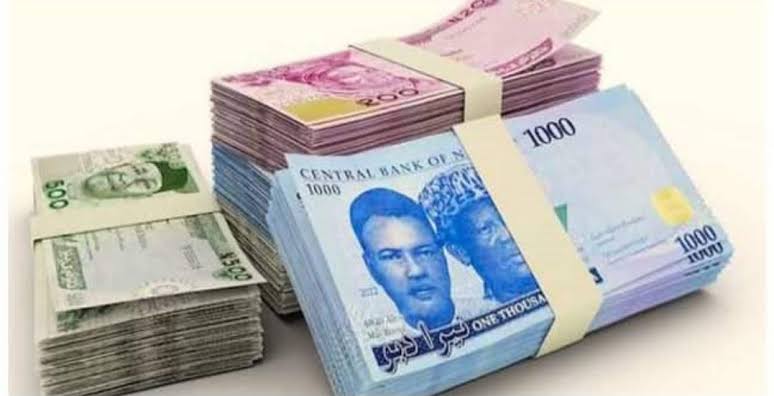
“During the two years that the Hajj did not take place, the pilgrims’ Hajj fee deposits have been in the coffers of most State Pilgrim Welfare Boards/Agencies/Commissions against the NAHCON directives and against existing laws, except Adamawa: who remitted N500 million; Bauchi, N327.5 million; Borno, 100 million naira; Edo, N124 million; Gombe, 350 million naira; Kogi, 26.6 million naira; Nasarawa, N252 million; Niger, N433 million; Osun: N150 million; Oyo: N200 million; Taraba: N400 million; Yobe: N400 million; and Armed Forces, N320 million.
“Equally, the remittances made by the aforementioned states totaling N3.58 billion were kept safely in the Central Bank of Nigeria until early this year when the amount was finally returned to the respective states,” he said. the Commission.