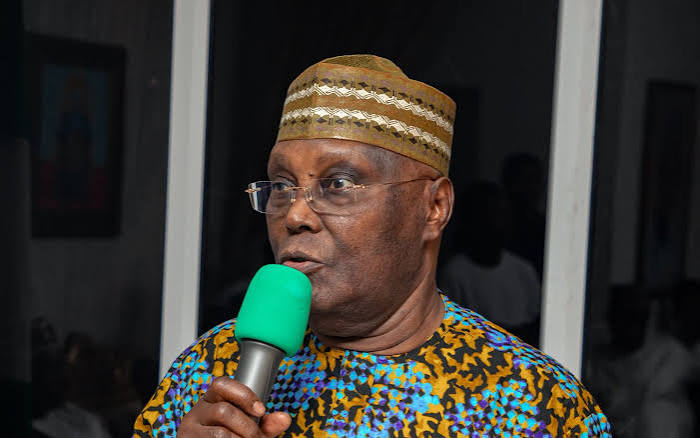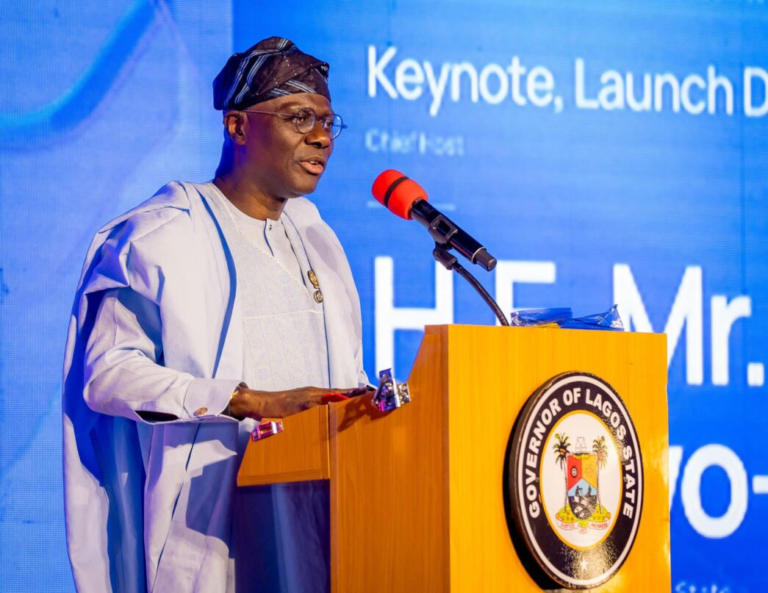
Lagos State Governor Babajide Sanwo-Olu has declared that Lagos is strategically positioned to serve as Africa’s foremost geoeconomic hub, driven by its strengths in trade, finance, infrastructure, technology and human capital.
Speaking at the maiden edition of the Geo-Economic Optimisation Summit Lagos 2026, organised by Citadel School of Government in Oregun, Ikeja, the governor said geoeconomics has become a major force shaping global influence, with assets such as ports, logistics networks, data centres and supply chains increasingly determining economic competitiveness.
Delivering a keynote address titled “From South-West Nigeria to the Globe: Lagos State as a Geoeconomic Hub,” Sanwo-Olu noted that Lagos accounts for about one-third of Nigeria’s Gross Domestic Product and remains Africa’s second-largest metropolitan economy after Cairo, with an output exceeding $259.75 billion on a purchasing-power-parity basis.
According to him, Lagos would rank among the eight largest economies in Africa if it were an independent country.
The governor said more than 90 per cent of the state’s economic output is generated from non-oil sectors, including finance, technology, trade, logistics, maritime services and the creative industry.
“As Nigeria’s commercial and financial nerve centre and its busiest gateway for trade and investment, Lagos carries a responsibility that reaches far beyond its own borders. When Lagos works, Nigeria works better,” he said.
Sanwo-Olu highlighted the state’s expanding regional influence through institutions such as Odu’a Investment Company Limited, the Development Agenda for Western Nigeria (DAWN Commission), and the South-West Development Commission.
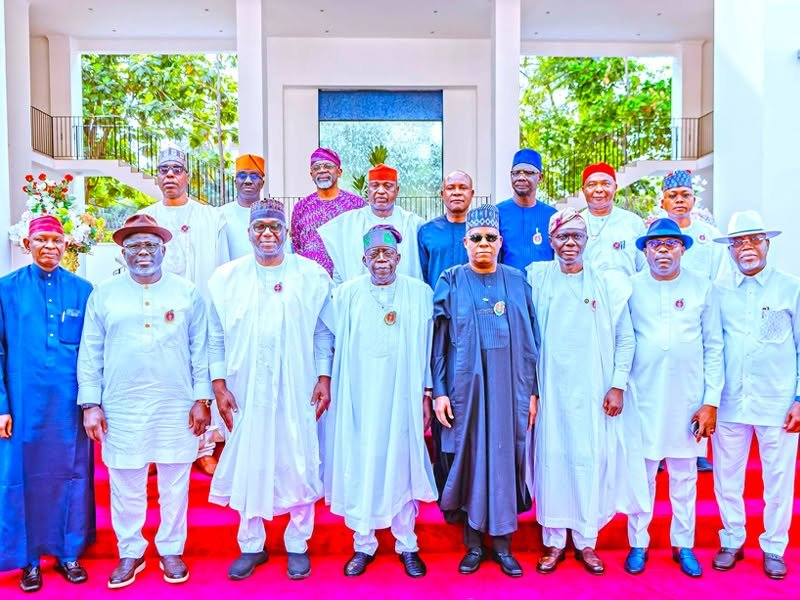
In his capacity as Chairman of the South-West Governors’ Forum, he called for stronger collaboration among states, stressing that regional integration remains critical to achieving shared economic growth and sustainable development.
“No single state captures the whole prize alone. We must think regionally, act strategically and cooperate generously,” he said.
The governor also outlined several infrastructure projects driving Lagos’ economic aspirations, including the operational Lagos Blue Line and Lagos Red Line rail systems, the proposed Green Line Rail Project, the reconstruction of the Lagos-Badagry Expressway, and ongoing electricity sector reforms aimed at enhancing industrial productivity.
He acknowledged federal backing for strategic projects such as the Coastal Highway and the Sokoto-Badagry Superhighway, describing them as key investments that will strengthen national and regional connectivity.
Sanwo-Olu further renewed his call for a constitutional special status for Lagos, citing the state’s strategic economic role, rapidly growing population and historical significance as Nigeria’s former capital.
“We believe Lagos deserves that recognition, and we will continue to seek a constitutional provision to guarantee it,” he stated.