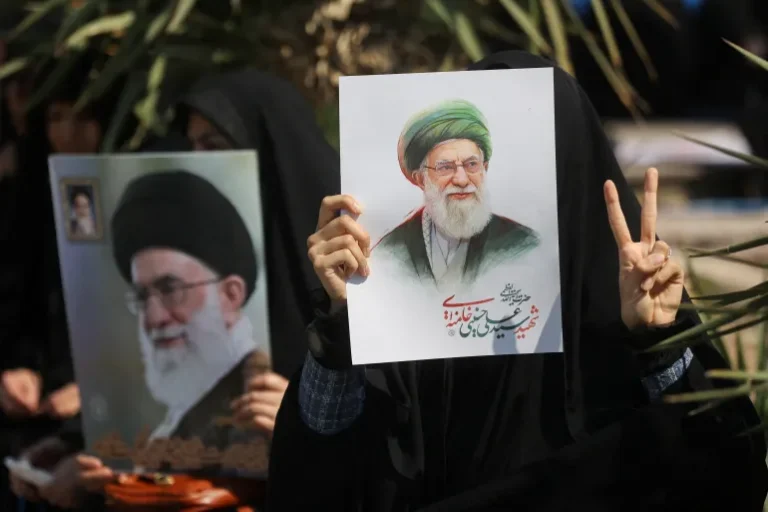
Iran’s clerical body responsible for selecting the country’s next supreme leader says it has reached a preliminary consensus following the killing of Ali Khamenei, though some procedural issues remain unresolved.
Mohammad-Mahdi Mirbagheri, a member of the Assembly of Experts, said the group has largely agreed on a path forward in choosing a successor. Speaking to Mehr News Agency, he noted that “some obstacles” still need to be addressed before the process is finalized.
Under Iran’s constitution, the 88-member Assembly of Experts is responsible for appointing the country’s supreme leader.
Khamenei, who ruled Iran for 37 years, was killed in a joint U.S.-Israeli strike on Tehran on Feb. 28, an attack that marked the start of a broader regional conflict.
Meanwhile, the Israel Defense Forces issued a warning directed at members of the Assembly of Experts involved in selecting Khamenei’s successor. In a statement posted in Persian on X, the Israeli military said it would pursue anyone participating in the leadership selection meeting.
“We warn all those who intend to participate in the successor selection meeting that we will not hesitate to target you either. This is a warning,” the statement said.
In a video published by Fars News Agency, Mirbagheri said significant efforts had been made to determine the country’s next leader and that the assembly had reached what he described as a “decisive and unanimous opinion.”
Another member of the Assembly of Experts, Hojjatoleslam Jafari, said he hopes the selection process will conclude soon.
“The delay in electing the third leader is bitter and unwanted for everyone,” he said, adding that the public should trust the assembly during what he described as a difficult moment for the country.
Iranian media reports indicate the clerical body has debated whether the final decision must be made during an in-person meeting or could instead be announced without convening formally.
Mohsen Heidari Alekasir, another member of the assembly, said in remarks broadcast by Nour News that holding a full meeting may not be possible under current conditions.
He suggested a successor has already been chosen, referencing Khamenei’s guidance that Iran’s leader should be someone “hated by the enemy rather than praised by it.”
“He has even been mentioned by the Great Satan,” Heidari Alekasir said, using Iran’s term for the United States.
His remarks came days after Donald Trump publicly criticized the possible selection of Khamenei’s son, Mojtaba Khamenei, calling such an outcome “unacceptable.”