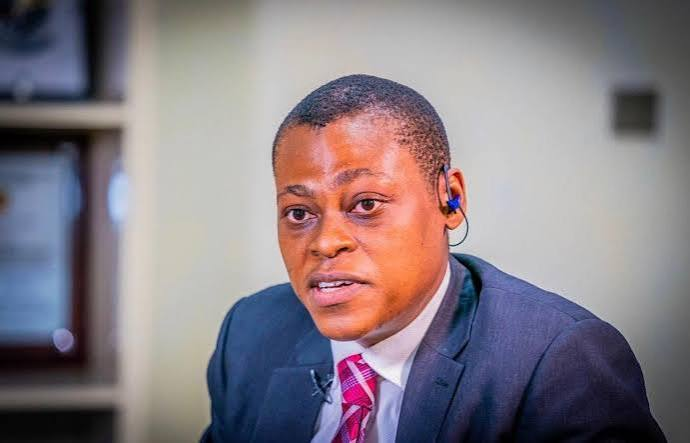
Popular television host, Rufai Oseni, became emotional on Friday while reflecting on Nigeria’s economic decline, questioning how the country moved from being a contributor to global development institutions to becoming heavily dependent on borrowing.
Speaking during the Arise Television Morning Show, Oseni broke down as he highlighted historical records showing Nigeria’s former financial influence and compared it with the country’s current debt challenges.
“I cried for Nigeria this morning. Let me read something to you and show why I sometimes raise my voice about this country,” he said.
Holding up historical documents, Oseni recalled Nigeria’s financial relationship with international institutions in the 1970s, noting that the country once played a significant role in supporting global development efforts.
“On December 24, 1974, Nigeria signed a long-term borrowing agreement with the World Bank. Under that agreement, Nigeria provided $240 million in net resources to the World Bank Reserve,” he said.
He added that Nigeria also extended financial support to the International Monetary Fund (IMF), questioning how the country’s economic position changed over the decades.
“We were lending money to the World Bank to support development in other countries. We also lent $120 million to the International Monetary Fund. What happened to this country?” Oseni asked.
His comments come amid growing public concerns over Nigeria’s rising debt profile and increased reliance on domestic and international borrowing to finance government activities.
Oseni lamented that a country that once had the capacity to support global financial institutions is now struggling with economic pressures and seeking assistance from the same organisations it previously supported.
“What happened to this country?” he repeated, expressing frustration over Nigeria’s economic trajectory.
The television host’s remarks have reignited discussions about the country’s fiscal management, development challenges and the need for sustainable economic policies capable of restoring long-term growth.