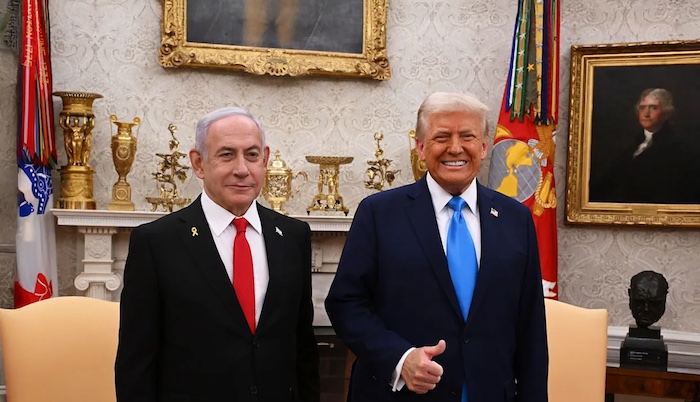
After nearly two years of devastating conflict, signs of progress have emerged in efforts to reach a new ceasefire agreement in Gaza, as Israeli Prime Minister Benjamin Netanyahu met with U.S. President Donald Trump in Washington on Monday.
The high-stakes meeting comes amid renewed momentum in indirect negotiations between Israel and Hamas, with a U.S.-backed proposal for a 60-day ceasefire and hostage exchange once again on the table. Talks resumed in Qatar on Sunday, though core disagreements still threaten to stall any breakthrough.
Speaking before his departure from Tel Aviv, Netanyahu expressed cautious optimism. “We are working toward the deal that’s been outlined under mutually agreed terms,” he said. “I believe my discussion with President Trump can significantly help move this forward.”
Trump, addressing reporters earlier, said he had been “very firm” with Netanyahu about the need to end the war, and added, “I think we’ll have a deal this week.”
On the ground in Gaza, hope is mixed with exhaustion and skepticism. Daily airstrikes continue across the strip, and many Palestinians remain displaced and living in desperate conditions.
“I don’t just want a truce—I want a total end to this war,” said Nabil Abu Dayah, who fled Beit Lahia with his children and grandchildren. “We’re exhausted—thirsty, hungry, still in tents. We have nothing.”
In Israel, families of hostages held by Hamas are once again urging their government to act swiftly and decisively. At a large rally over the weekend, demonstrators called for the immediate return of approximately 50 captives believed to still be in Gaza—around 20 of whom are thought to be alive.
Among them was Ilay David, whose younger brother, Evyatar, a musician, was seen in a Hamas propaganda video during a previous ceasefire in which other hostages were freed.
“How can anyone endure such uncertainty?” David asked. “I’m waiting for Evyatar to come home and tell me what he lived through.”
He appealed to both Israeli leaders and international mediators: “Now is the time to save lives. Now is the time to bring our loved ones home. Every single one. No exceptions.”
While both Israeli and U.S. officials remain tight-lipped about specifics of the deal, sources say it would involve the phased release of hostages in exchange for Palestinian prisoners, along with expanded humanitarian aid under international supervision.
Still, lingering concerns persist about whether the proposed 60-day pause will lead to a permanent end to hostilities—or simply delay further violence.
As the region watches closely, one thing is clear: after 21 months of war, the appetite for peace—however fragile—is growing stronger on both sides.