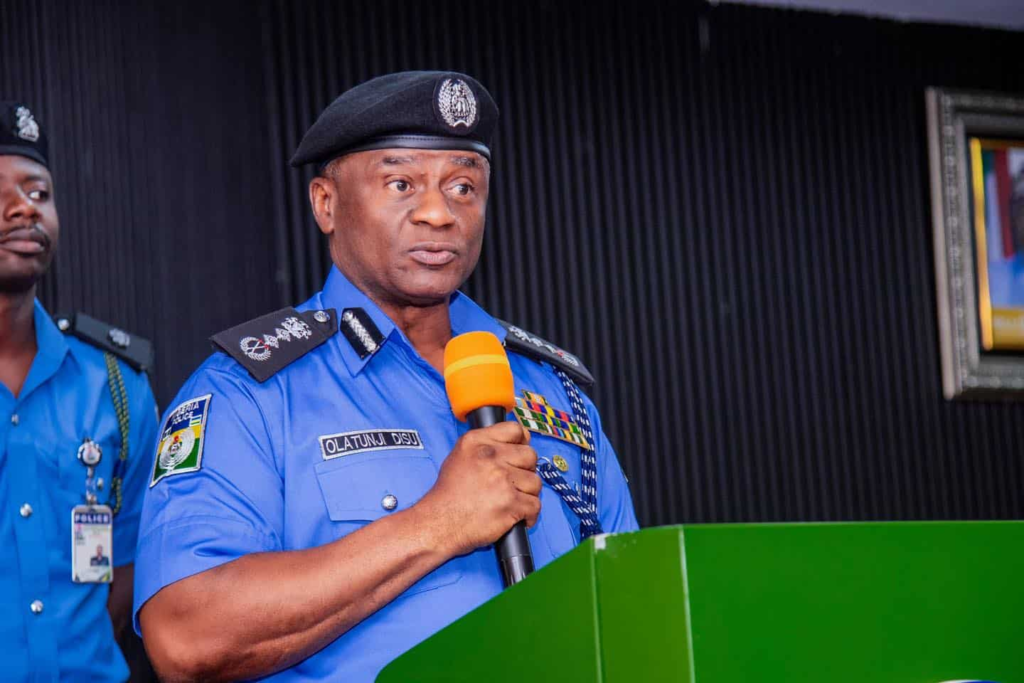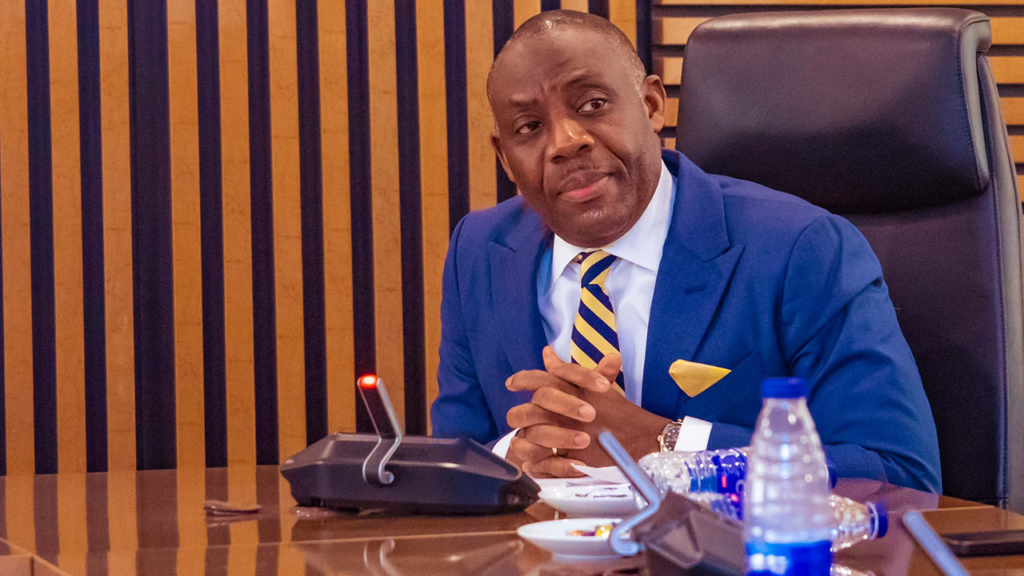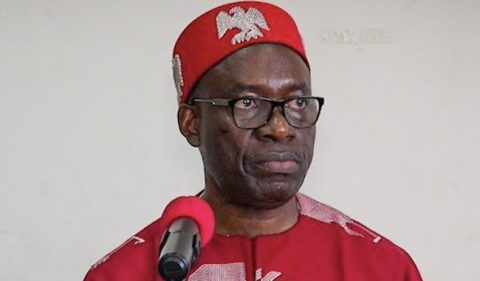
Anambra State Governor Chukwuma Soludo has declared that the majority of criminals terrorising the South-East region are Igbo indigenes, not Fulani herdsmen, as commonly believed.
Speaking during a town hall meeting with Anambra indigenes in Maryland, U.S., Soludo said 99.99% of criminals arrested in Anambra are from the region.
“The so-called liberators hiding in the forests are homegrown criminals feeding fat on blood money,” Soludo said.
“They claim to protect you from Fulani herdsmen, but they are the ones killing, kidnapping, and extorting. Who is funding them? How do they survive in the forest for months? They are not freedom fighters they are criminals.”
His statement challenges the popular narrative that Fulani terrorists disguised as herders are behind the wave of kidnappings and killings in the region.
However, the International Society for Civil Liberties and Rule of Law (Intersociety) disagreed with Soludo, accusing his administration of “shielding jihadist herdsmen” since 2022. The rights group claimed herders remain active in the bushes and warned that Anambra risks becoming compliant with the federal government’s ranching policy under the current administration.
In a broader call for national action, the Igbo Leaders of Thought (ILT) and the Diocese of Ijesha North (Anglican Communion) urged President Bola Tinubu to tackle the deepening security crisis across the country.
Rising from a meeting in Enugu, the Igbo leaders condemned the “genocidal slaughtering” in Benue, Kebbi, Plateau, Imo, Niger, and other states. Their communiqué, signed by Prof. Elo Amucheazi and Prof. Jerry Chukwuokolo, warned that no meaningful development can occur amid insecurity and citizen disillusionment.
“Tinubu has been in office for two years. Insecurity is worsening. We call for a full-scale campaign to stop the genocide,” the statement read.
The ILT also renewed their call for the release of Nnamdi Kanu, the detained leader of the Indigenous People of Biafra (IPOB).
Similarly, the Ijesha North Anglican Diocese raised concerns about rising poverty, out-of-school children, and economic collapse. In a communiqué released after its synod, held from July 3 to 6, 2025, the Church called for urgent intervention to reverse Nigeria’s deteriorating social and economic landscape.