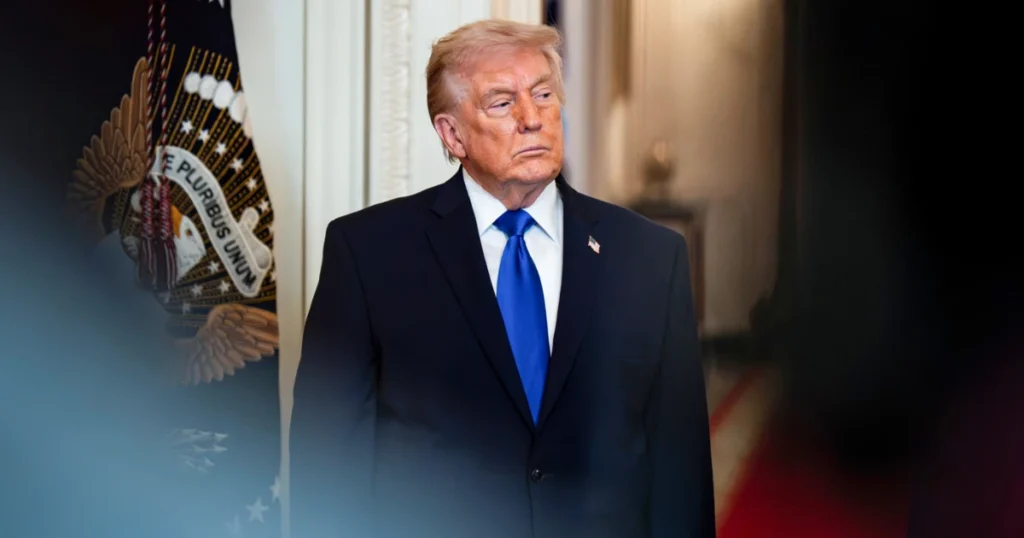
The first six days of the war with Iran have cost the United States at least $11.3 billion, officials in the administration of Donald Trump told lawmakers during a classified congressional briefing this week, according to a source familiar with the discussions.
The estimate was presented to senators in a closed-door session on Tuesday, though officials acknowledged the figure reflects only part of the overall cost of the conflict. Members of Congress have been pressing the administration for more information about the financial and strategic scope of the war.
Several congressional aides said the White House is expected to soon request additional funding from lawmakers to sustain the military campaign. Some officials believe the request could total around $50 billion, while others warn the final price tag could be significantly higher.
So far, the administration has not publicly outlined the full cost of the war or provided a clear timeline for its duration. During a visit to Kentucky on Wednesday, Trump said the United States had already “won” the war but indicated that American forces would remain engaged to complete their objectives.
The $11.3 billion figure was first reported by The New York Times.
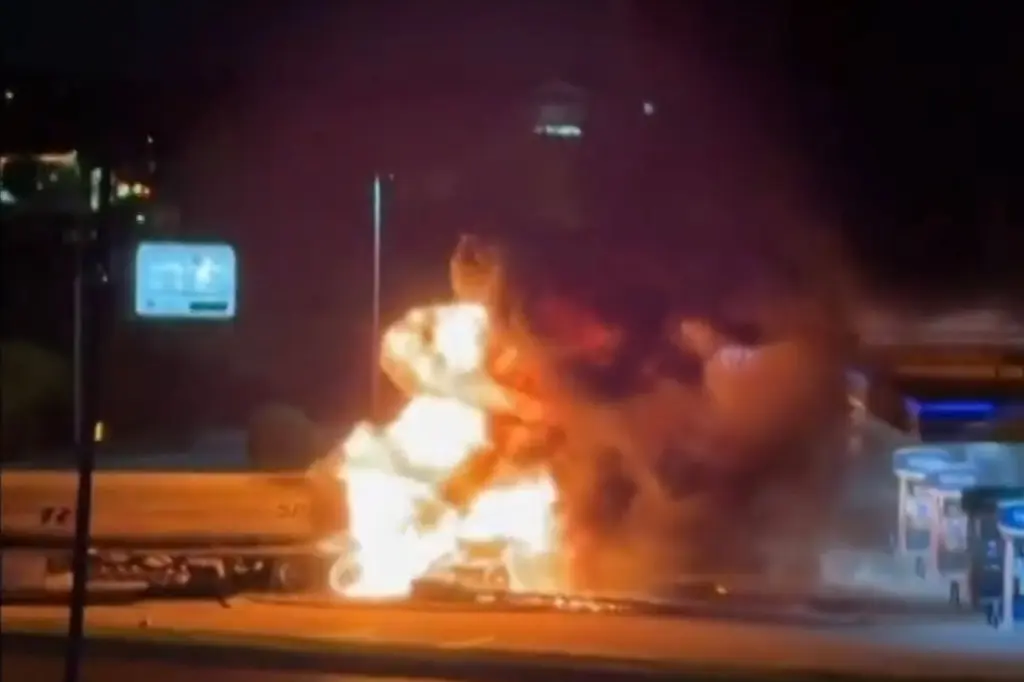
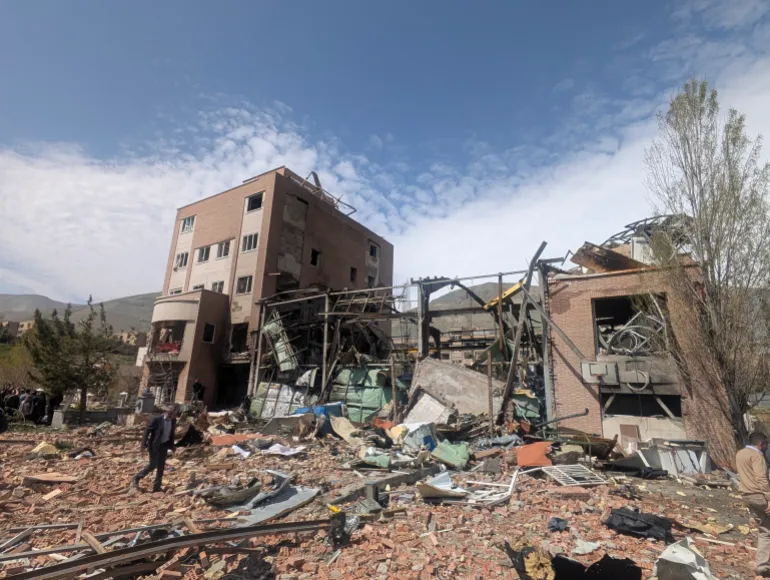
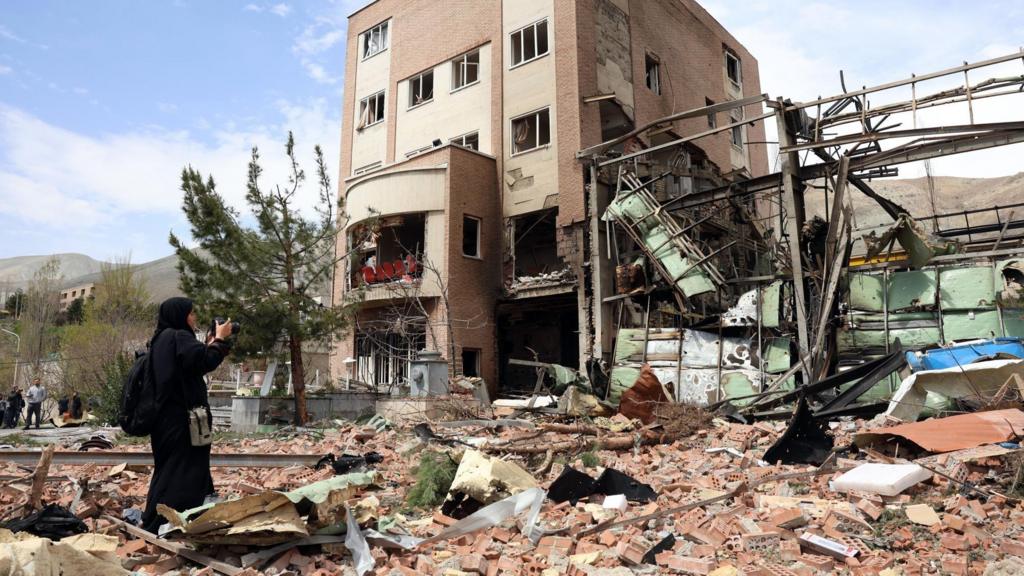
The conflict began on Feb. 28 with joint U.S. and Israeli airstrikes against targets in Iran and has since expanded across the region, including into Lebanon. The fighting has also disrupted global energy markets and key shipping routes. Roughly 2,000 people have been reported killed so far, most of them in Iran and Lebanon.
Administration officials told lawmakers that $5.6 billion worth of munitions were expended during the first two days of the operation alone.
Some members of Congress have expressed concern that the rapid pace of the war could strain U.S. weapons stockpiles, particularly as the defense industry is already struggling to keep up with demand. Last week, Trump met with executives from several major defense contractors as the Pentagon works to replenish supplies.
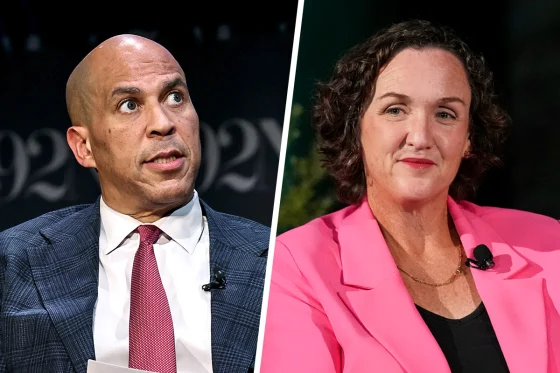
Democratic lawmakers are now calling for public hearings with administration officials to explain the president’s strategy, including how long the conflict might continue and what the United States’ long-term plan for Iran would be once the fighting ends.