The Federal Government has unveiled two key policy documents to guide the integration of evidence-based traditional medicine into Nigeria’s healthcare system.
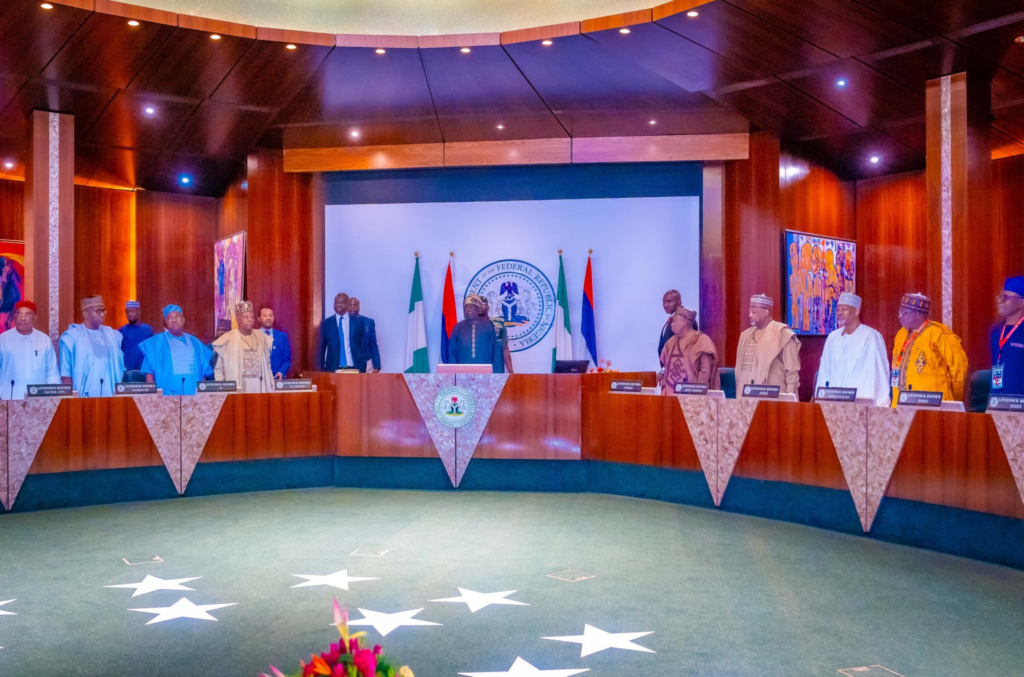
Minister of State for Health and Social Welfare, Dr. Iziaq Adekunle Salako, launched the Strategic Plan of Action for Implementing the Traditional Medicine Policy and the Code of Ethics and Practice for Traditional Medicine Practitioners yesterday in Abuja, during the commemoration of the 2025 African Traditional Medicine Day.
Salako said the initiative reflects President Bola Tinubu’s administration’s commitment to promoting research-driven traditional medicine and expanding its role in healthcare delivery.
“This year’s theme, Strengthen the Evidence Base for Traditional Medicine, is both timely and critical as Africa seeks homegrown solutions to its health challenges,” he said. “Evidence is the bridge between belief and policy. It is what will allow traditional medicine to move from the periphery to the mainstream of healthcare delivery.”
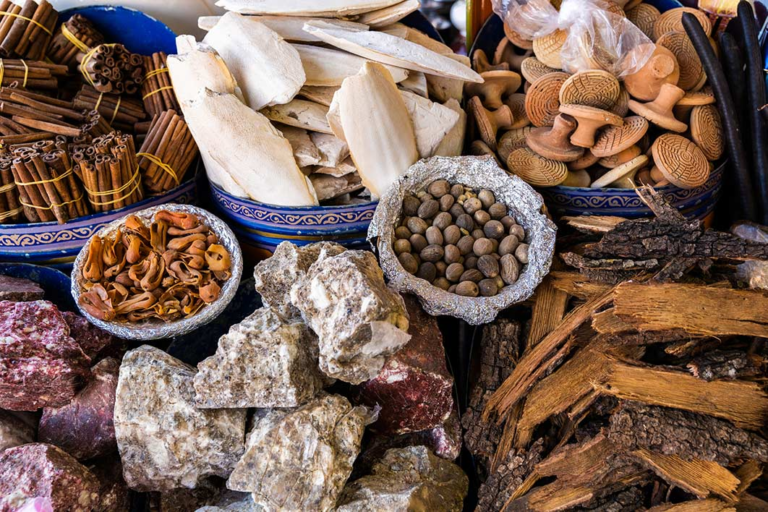
The minister noted that millions of Nigerians, especially in rural areas, rely on traditional medicine as their primary healthcare option, stressing its potential to expand access, create jobs, and support local industries. He called for clinical studies and scientific validation of herbal remedies to ensure safety, efficacy, and quality.
Highlighting progress, Salako pointed to the creation of the Department of Traditional, Complementary, and Alternative Medicine, the Nigerian Herbal Pharmacopeia, and the documentation of over 200 plants in the Nigerian Essential Medicinal Plants List. He added that the government is collaborating with the Standards Organisation of Nigeria, the World Health Organisation, and the West African Health Organisation to set quality standards and strengthen knowledge exchange.
He urged states to establish traditional medicine boards in line with the National Council on Health’s resolution, while also disclosing plans to revive the Federal College of Complementary and Alternative Medicine, closed by the National Universities Commission in 2010.
Salako further noted that the COVID-19 pandemic underscored the need for resilient health systems and renewed global interest in natural remedies. “Nigeria and the African continent must seize this momentum to bring traditional medicine to the global stage, with evidence as its passport,” he declared.