The Federal Government has unveiled plans to connect schools across Nigeria to reliable internet services in a major push to strengthen digital learning and expand access to modern educational tools.
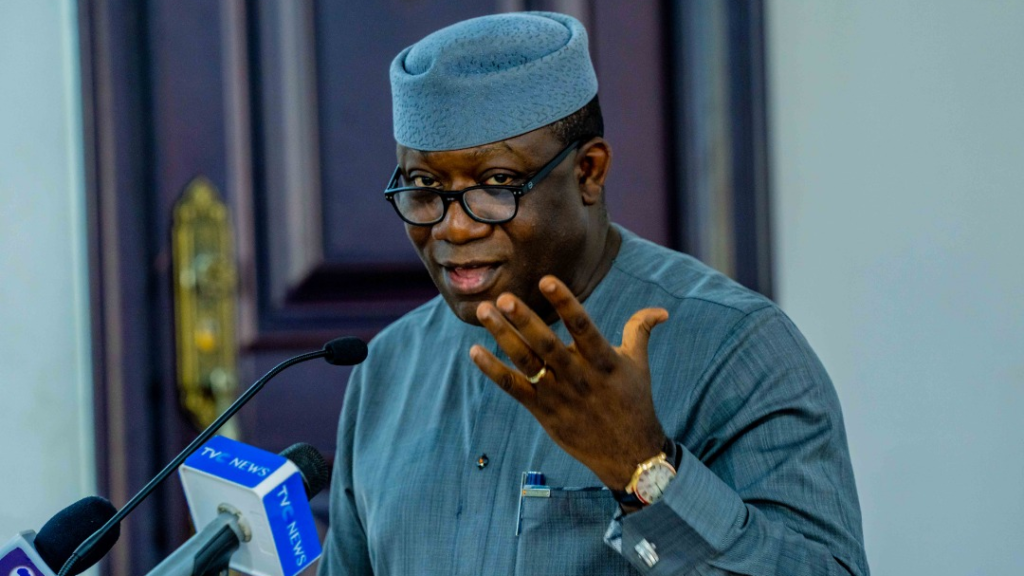
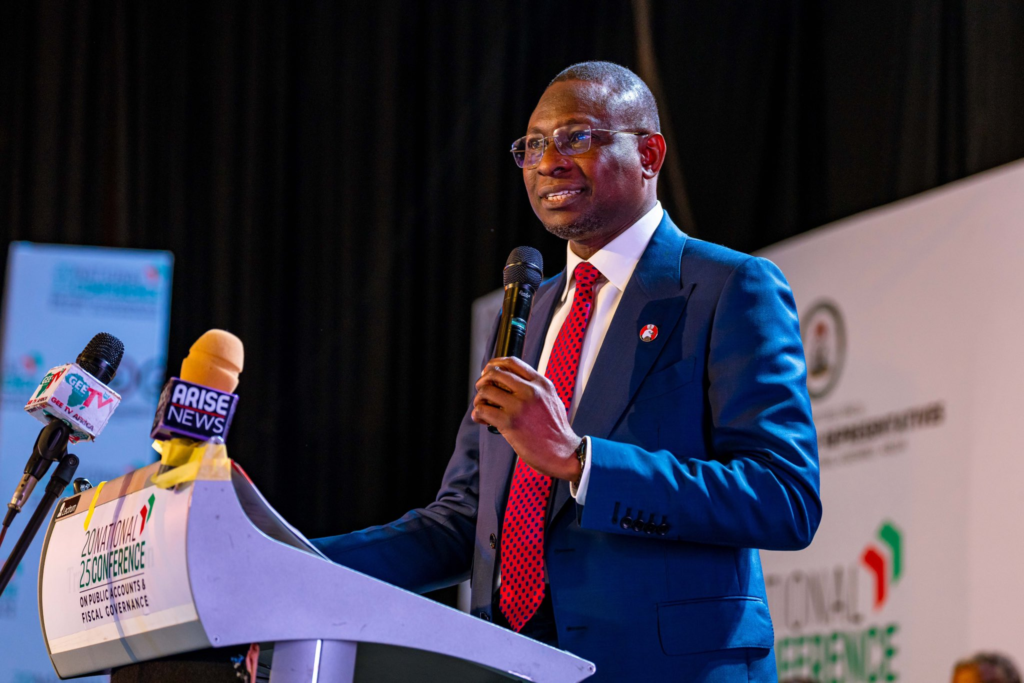
The initiative was discussed during a high-level meeting between the Minister of Education, Tunji Alausa, and the Minister of Communications, Innovation and Digital Economy, Bosun Tijani.
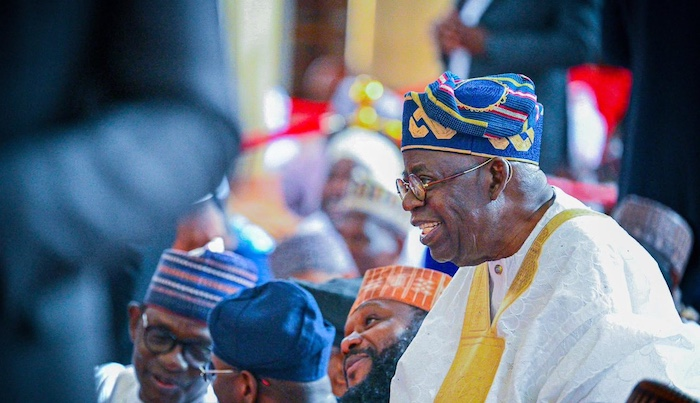
In a statement issued in Abuja by the Director of Press and Public Relations at the Federal Ministry of Education, Folasade Boriowo, the minister said the move followed a directive by Bola Ahmed Tinubu to expand digital infrastructure across key sectors, including education.
According to Alausa, the programme is designed to harness technology—particularly Artificial Intelligence—to strengthen Nigeria’s education system and make digital learning resources more accessible to students and teachers nationwide.
He explained that the initiative would establish a coordinated framework to ensure internet connectivity across all levels of education, from foundational and secondary schools to universities and colleges.
The minister said the plan would build on earlier connectivity efforts under the Nigerian Research and Education Network, which previously supported broadband access for tertiary institutions through a World Bank-funded programme. While the project made progress in linking universities, expansion slowed after the initial funding cycle ended.
The new strategy, he added, aims to revive the programme and extend connectivity beyond tertiary institutions to cover the entire education sector.
“Connectivity is not limited to broadband fibre alone. It also involves telecommunications towers, satellite systems and other digital infrastructure required to provide reliable internet access across the country,” Alausa said.
As part of the plan, the government will deploy about 90,000 kilometres of fibre-optic broadband infrastructure nationwide. In addition, around 3,700 telecommunications towers will be installed, particularly in rural and underserved communities, to improve connectivity.
Alausa said schools would be deliberately integrated into the broadband rollout as fibre cables are laid and towers deployed across the country. He also disclosed that the governing council of Nigerian Research and Education Network would be expanded to include representatives from foundational and secondary education to enhance coordination.
Two technical working groups have been established to drive implementation—one focusing on tertiary institutions and the other on foundational and secondary schools.
The minister expressed optimism that the first phase of the project would begin to show visible improvements within three months, noting that improved connectivity would allow students and teachers to access digital learning platforms, global knowledge resources and emerging technologies such as Artificial Intelligence.
He added that stronger digital infrastructure would also support examination reforms, including the gradual transition to Computer-Based Testing for national examinations.
Speaking at the meeting, Tijani stressed that technology-driven education cannot succeed without strong connectivity infrastructure.
He noted that although Nigeria hosts about eight international subsea internet cables the highest number in Africa the main challenge lies in distributing that capacity inland through extensive fibre networks.
“Most of the internet capacity enters Nigeria through submarine cables landing in Lagos, but without sufficient inland fibre infrastructure, that capacity cannot effectively reach schools and communities across the country,” he said.