A U.S. federal judge on Friday issued a temporary injunction blocking the Trump administration’s attempt to revoke Harvard University’s ability to enroll international students—pausing what many critics have described as a politically motivated attack on academic independence.
U.S. District Judge Allison Burroughs, appointed by former President Barack Obama, granted the two-week stay, citing the risk of “irreparable harm” to Harvard and its 7,000-plus international students if the policy were allowed to take effect before the matter could be fully litigated. Hearings are scheduled for May 27 and 29 to determine the next legal steps.
The Trump administration’s decision, announced Thursday by Homeland Security Secretary Kristi Noem, sought to terminate Harvard’s Student and Exchange Visitor Program (SEVP) certification starting in the 2025–2026 academic year. The move would have forced thousands of foreign students to transfer or leave the country, jeopardizing their legal status in the U.S.
Harvard swiftly responded with a lawsuit in federal court in Boston, calling the move a “blatant violation” of constitutional protections and federal statutes. “Without its international students, Harvard is not Harvard,” the 388-year-old institution argued in its legal filing.
The university further claimed the administration’s action was retaliation for its refusal to comply with federal demands to surrender internal student records, protest footage, and other politically sensitive materials. Harvard has long resisted attempts by the Trump administration to exert influence over its governance and curriculum.
The Department of Justice and Department of Homeland Security declined to comment on the judge’s ruling.
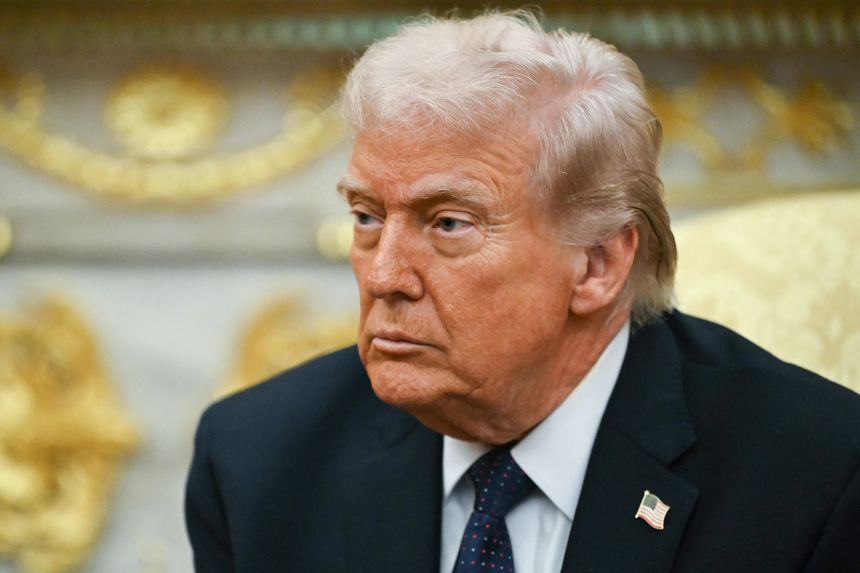
This latest legal clash is part of a broader campaign by President Donald Trump to pressure traditionally independent institutions—including universities, the judiciary, media outlets, and law firms—to align with his political agenda.
In recent weeks, the administration has targeted law firms whose attorneys opposed Trump’s policies, suggested impeaching judges over immigration rulings, and taken steps to deport foreign students involved in pro-Palestinian campus protests.
Harvard has previously stood its ground against similar threats, including successfully suing to recover roughly $3 billion in frozen federal research grants. With this ruling, it has secured a temporary reprieve—though the broader legal and political battle over academic freedom and federal power is far from over.