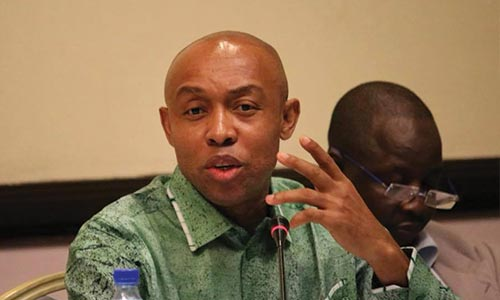
A former chairman of the Nigeria Human Rights Commission and professor of law, Chidi Odinkalu, has criticised Joash Amupitan, chairman of the Independent National Electoral Commission, for failing to deliver a credible election during the recent Area Council polls in the Federal Capital Territory (FCT).
Speaking on Politics Today on Channels TV on Monday night in Abuja, Odinkalu said the elections, which saw the All Progressives Congress (APC) winning five out of six Area Councils, exposed significant weaknesses in the electoral body’s management ahead of the 2027 general election.
He pointed to poor logistics, mismanagement of electoral rolls, lack of voter education, information gaps, election violence, and alleged manipulation of results as critical failures. He described the FCT election as a “tailor-made” opportunity for INEC to prove its competence, noting that the stakes were lower than in a national election, yet the commission still fell short.
Odinkalu said, “Number one, election logistics were poor. Number two, the management of electoral rolls was poor. There was no investment in voter education or information management. Number three, the violence was unacceptable. Four, results were manifestly changed in different places, and there were collation glitches on the day. This is a small election in the Federal Capital Territory. It’s disgraceful. He has failed.”
He urged Professor Amupitan to take personal responsibility for the lapses, emphasising that Nigerians do not demand perfection but expect clear evidence of improvement and accountability.
“Nobody is asking for perfection here,” Odinkalu added. “The idea that we deny failures, or accept them as the only path, is something we must resist. A chairperson committed to credible elections should admit that failures occurred that should never have happened, and take steps to improve while enlisting non-partisan citizens to ensure the will of the people prevails.”
The law expert described the FCT election as a critical benchmark for INEC, warning that continued mismanagement could undermine public confidence in upcoming national elections.