The Financial Action Task Force (FATF), the global authority on anti-money laundering (AML) and counter-terrorist financing, has issued a fresh warning that terrorist groups—including ISIS—are increasingly using virtual assets such as cryptocurrency to finance their operations.
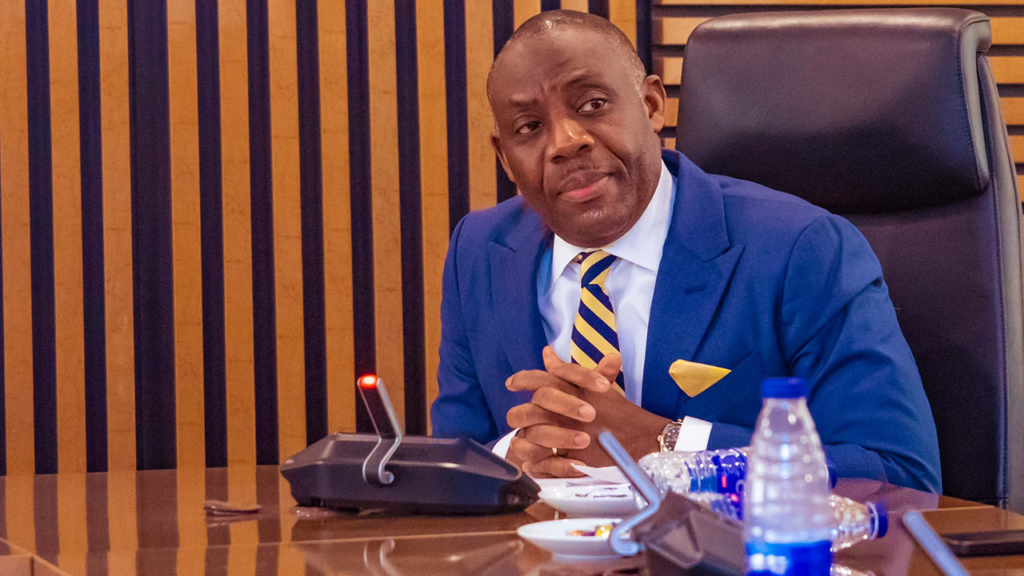
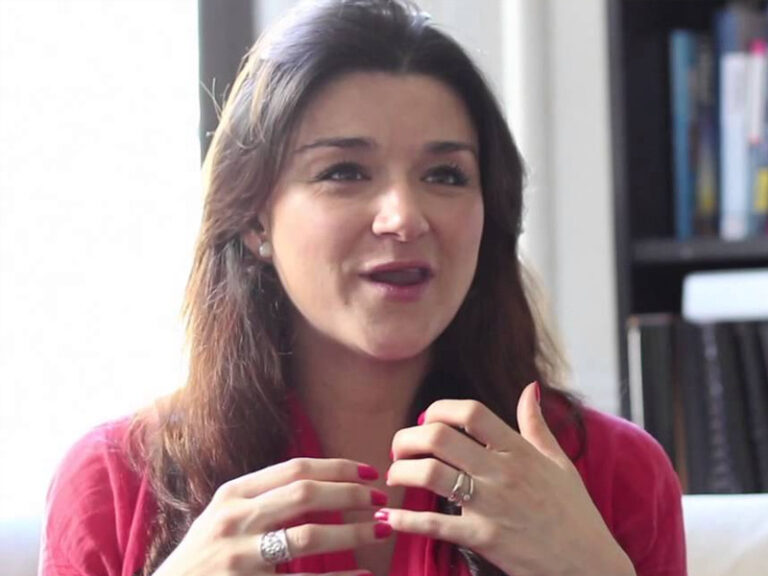
In a briefing to the United Nations Security Council, FATF President Elisa de Anda Madrazo outlined findings from a newly completed Comprehensive Update of Terrorist Financing Risks, finalized in June. The report, developed with input from the United Nations and French authorities, provides a detailed analysis of how extremist organizations—including ISIS and its regional affiliates—are adapting to new financial technologies.
According to Madrazo, virtual assets are being exploited to conceal the origin and destination of funds. “Over the past decades, terrorists have demonstrated a persistent ability to exploit the international financial system,” she said. While traditional methods such as bank transfers, prepaid cards, and wire services are still being used, digital tools are now central to many operations.
“The major evolution is due to digital transformation,” Madrazo noted. “Platforms like social media, messaging apps, and crowdfunding services are being misused to facilitate financial flows that evade regulatory scrutiny—particularly those with built-in payment systems that sidestep due diligence protocols.”
FATF highlighted the growing sophistication of these tactics, including the use of obfuscation techniques designed to mask digital asset transactions. In particular, the report singles out ISIS-Khorasan (ISIL-K) for significantly increasing its reliance on cryptocurrency in 2024 to collect donations and conduct international transfers.
The FATF president emphasized that the financial behaviors of terrorist actors vary depending on regional, ideological, and operational contexts. “Context really matters,” she said. “Terrorist groups and individuals tailor their financial strategies to their specific circumstances—be it through formal banking, microfinancing, or digital tools.”
The report also noted a rise in radicalized lone actors, many of them young, who are employing microfinancing techniques that draw from both legal and illicit sources. These include gambling through online platforms, exploiting monetized social media features, and using gaming ecosystems to transfer value in ways that are harder to trace.
Despite growing awareness and improved transparency efforts in the financial sector, FATF stressed that gaps remain—especially in the regulation of virtual assets. The organization is urging governments and private institutions to strengthen monitoring systems and adopt advanced detection tools to combat the misuse of these technologies for extremist purposes.
“The updated FATF standards give countries the framework to track, prevent, and respond to these threats,” Madrazo said. “But implementation and cooperation are critical—across borders and between sectors.”