European powers are set to reimpose United Nations sanctions on Iran by the end of September, following a breakdown in nuclear negotiations and what leaders describe as Tehran’s lack of seriousness in addressing international concerns.
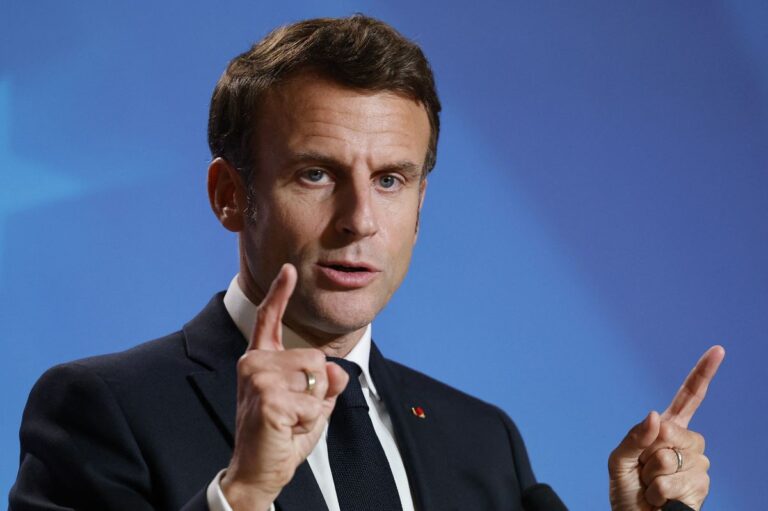
French President Emmanuel Macron confirmed Thursday that Britain, France, and Germany—collectively known as the E3—are moving forward with the UN snapback mechanism, citing the failure of recent talks to yield substantive progress.
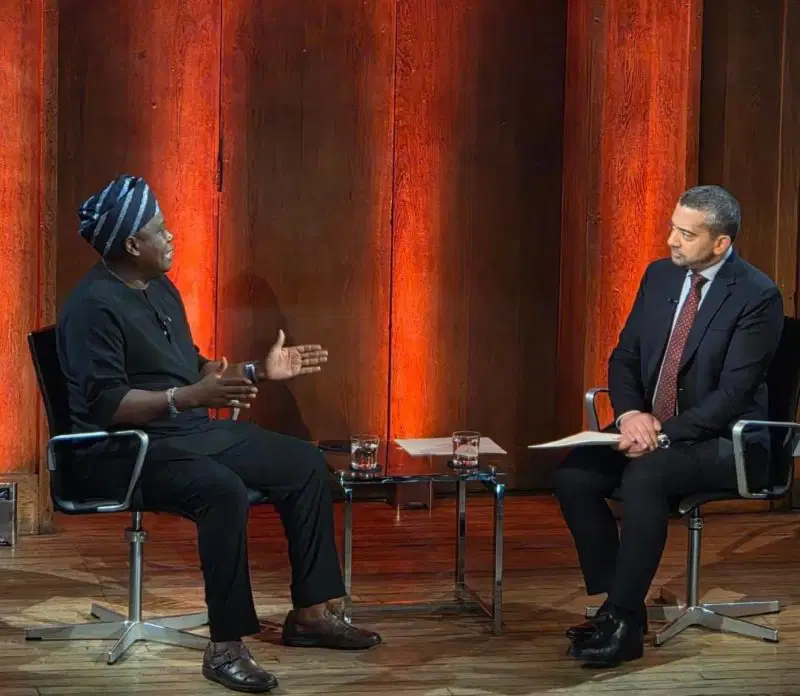
“I think so, yes,” Macron said in an interview with Israel’s Channel 12 when asked if the reimposition of sanctions was now inevitable. “The latest news from the Iranians is not serious.”
The E3 had triggered the 30-day snapback process at the end of August, initiating the formal path to restore international sanctions lifted under the 2015 Iran nuclear deal. European officials had offered to delay punitive action for up to six months if Iran met several conditions: renewed cooperation with UN nuclear inspectors, disclosure of its enriched uranium stockpile, and engagement in negotiations with the United States.
In response, Iranian Foreign Minister Abbas Araqchi claimed on Thursday that his government had presented a “reasonable and actionable plan” to E3 and EU counterparts to prevent what he described as an “unnecessary and avoidable crisis.”
Araqchi, writing on X (formerly Twitter), said the Iranian plan addressed genuine Western concerns and sought to establish a mutually beneficial framework. He did not provide further specifics.
The exchange came on the heels of a conference call on Wednesday between the Iranian foreign minister, the European Union’s foreign policy chief, and diplomats from the E3. Officials acknowledged that the discussions yielded little progress, though all parties signaled that talks remain open until the September deadline.
Separately, the UN Security Council is expected to vote Friday on a resolution that would permanently lift sanctions on Iran—a step mandated under the original terms of the 2015 deal if no objections are raised during the snapback period.
However, diplomats anticipate that the measure will fail to gain the necessary nine votes for passage. Even if it did, the resolution is likely to face a veto from the United States, Britain, or France.
The impending sanctions highlight the widening rift between Iran and Western powers, casting fresh doubt on efforts to revive nuclear diplomacy and increasing the risk of renewed regional tensions.
Analysts warn that the failure to reach a diplomatic solution could undermine global non-proliferation efforts and trigger further escalation in the Middle East, particularly as hardliners in both Iran and the West grow increasingly entrenched.