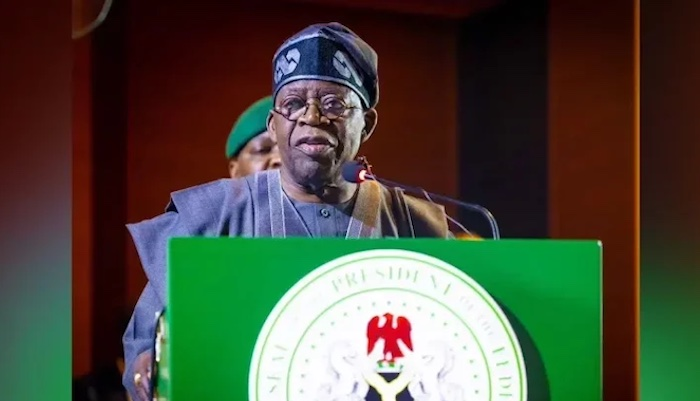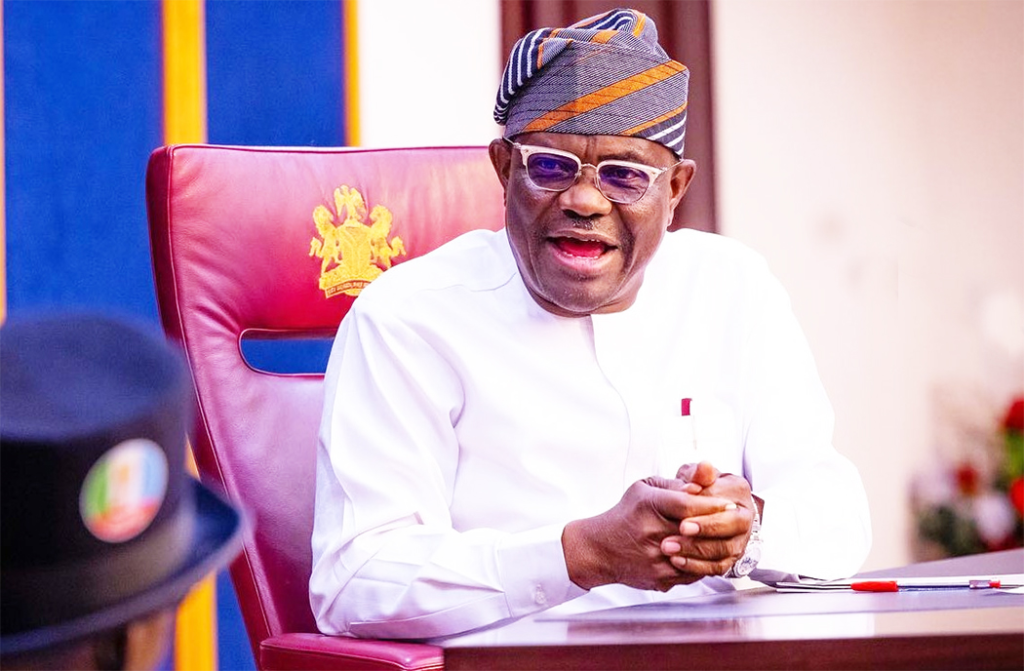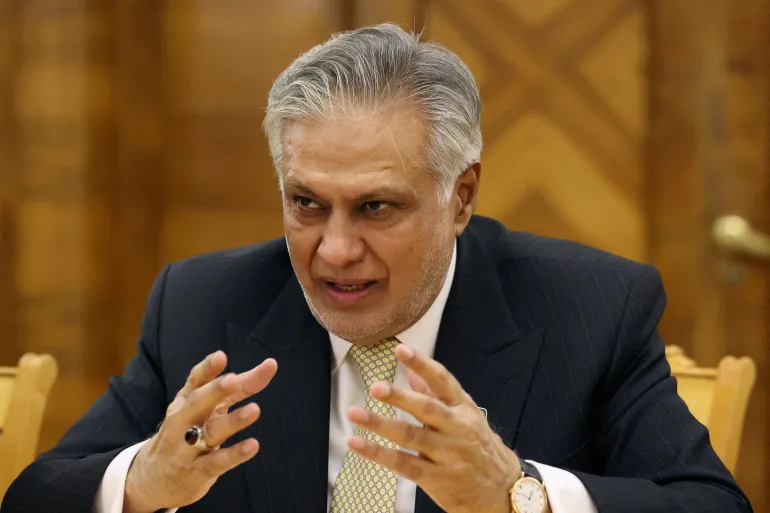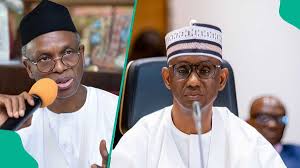
Former Kaduna State Governor, Nasir El-Rufai, has drawn sharp criticism after admitting during a television interview that he accessed an intercepted telephone conversation involving the National Security Adviser (NSA), Nuhu Ribadu.
Speaking on Arise Television on Friday, El-Rufai claimed he listened to a call in which Ribadu allegedly directed security operatives to arrest him.
“He (Ribadu) made the call because we listened to their call,” El-Rufai said.
He added: “Someone tapped his phone. The government listens to our calls all the time without a court order. Someone tapped his phone and told us that he gave the order.”
When reminded that such action was illegal, he reportedly agreed but defended it, stating: “Government thinks they are the only ones that listen to calls, but we also have our ways.”
The remarks triggered widespread reactions, with calls for investigation and possible prosecution.
Special Adviser to the President on Information and Strategy, Bayo Onanuga, described the comment as a confession of illegal wiretapping.
“El-Rufai confesses to wire-tapping Nigeria’s NSA on TV. Does it mean that he and his collaborators have wire-tapping facilities?” Onanuga wrote on X, urging authorities to investigate and impose appropriate sanctions.
Senior Special Assistant to the President on Media and Publicity, Temitope Ajayi, also expressed concern, suggesting El-Rufai may be required to identify those allegedly involved.
Former presidential aide Reno Omokri criticised the admission, saying: “Tapping a phone call without a court order is a crime. Admitting to it on live television is callous,” and argued that such an act could attract criminal liability.
Human rights activist Abba Hikima described the allegation as a serious national security issue.
“Now this is beyond politics. It is a threat to national security and brazen confrontation of the rule of law,” he said, calling for a thorough probe.
The controversy has also revived debate over the unresolved disappearance of social critic Abubakar Idris, popularly known as Dadiyata.
Former Kano State Governor, Abdullahi Ganduje, dismissed allegations linking him to the activist’s disappearance as reckless and politically motivated. In a statement by his Chief of Staff, Comrade Muhammad Garba, Ganduje noted that Dadiyata resided in Kaduna State at the time and questioned why any alleged confession by a police officer was not formally presented to investigators.
“The family deserves closure. What the family does not deserve is for this tragic matter to become an instrument of political blame-shifting,” Ganduje said.
The developments have intensified public debate, with increasing calls for authorities to clarify the claims and determine whether any laws were violated.