China held its largest military parade in decades on Wednesday, with President Xi Jinping overseeing a grand display in Tiananmen Square aimed at asserting Beijing’s rising global stature and its ambition to reshape the international order beyond U.S. dominance.
The spectacle, commemorating the end of World War II, featured thousands of troops, advanced missile systems, and next-generation aircraft. Xi stood flanked by Russian President Vladimir Putin and North Korean leader Kim Jong Un, using the occasion to send a powerful message of unity among nations challenging what he described as external interference and pressure.
“This event marks not only our past sacrifices but our determination to shape the future,” Xi declared in his address, signaling a strategic pivot toward building global alliances independent of Western influence.
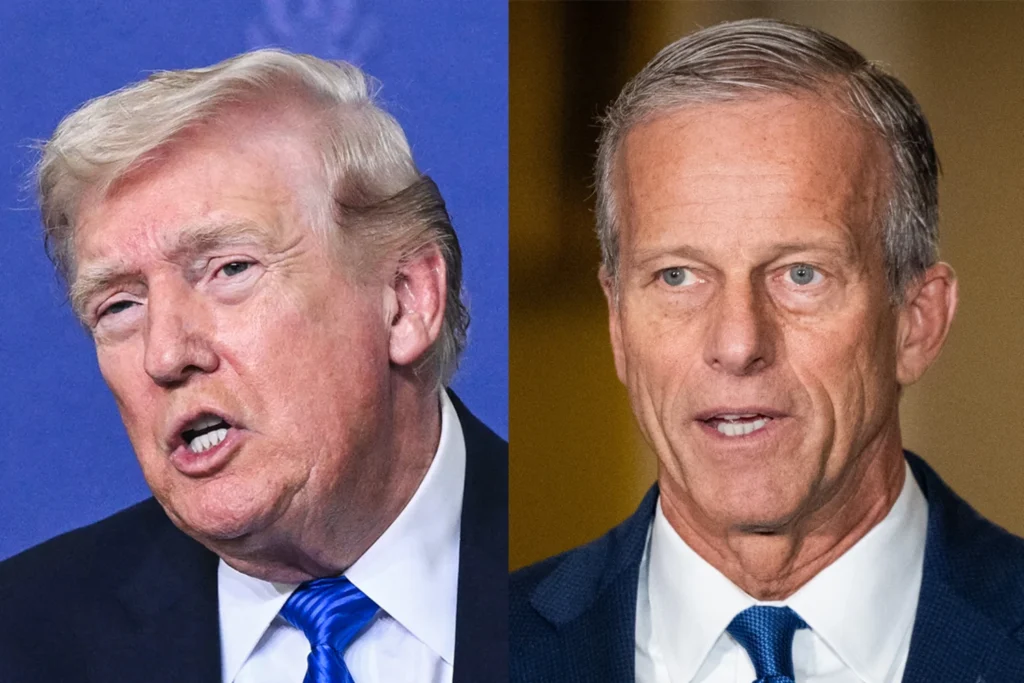
The absence of nearly all Western leaders highlighted the growing rift between China and many of its traditional counterparts. The United States, in particular, responded critically. President Donald Trump accused Beijing of “conspiring” with rival powers and described the parade as a “clear demonstration of China’s global ambitions.”
Tensions have escalated in recent years over China’s increasingly assertive stance in the South China Sea, its military modernization, and a broader push to expand its geopolitical influence—developments that have alarmed neighbors and Western allies alike.
The event also featured a surprising moment of diplomatic symbolism. According to South Korea’s Yonhap News Agency, Kim Jong Un exchanged a handshake with Woo Won-shik, the Speaker of South Korea’s National Assembly, just before the parade—an unusual gesture amid cautious efforts to restart dialogue between Seoul and Pyongyang.
Though Woo did not comment publicly, his presence—representing President Lee Jae Myung’s administration—reflects South Korea’s continued interest in thawing inter-Korean relations. Lee’s office confirmed that the president had been receiving real-time updates on Kim’s activities in Beijing, emphasizing the importance of the North Korean leader’s visit.
For President Xi, the parade was more than a military commemoration—it was a geopolitical statement. Through grand visuals and carefully orchestrated alliances, China sent a clear message: it is ready to defend its interests, deepen ties with non-Western partners, and take a more assertive role in shaping a multipolar world.
As global power dynamics continue to shift, Wednesday’s parade may be remembered as a defining moment in Beijing’s campaign to position itself as a central force in the evolving world order.