China has extended a crucial financial lifeline to Pakistan by rolling over $3.4 billion in loans, a move that significantly boosts Islamabad’s foreign exchange reserves and helps meet conditions set by the International Monetary Fund (IMF) under its $7 billion bailout program, senior government officials disclosed on Sunday.
The renewed support includes a $2.1 billion deposit that has remained with Pakistan’s central bank for the past three years, along with the refinancing of a $1.3 billion commercial loan repaid by Pakistan two months ago. Officials, who requested anonymity ahead of an official announcement, confirmed the arrangement is part of a broader effort to stabilize the country’s fragile economy.
In addition to China’s assistance, Pakistan has secured $1 billion from commercial banks in the Middle East and another $500 million from multilateral institutions. “These inflows bring our reserves in line with the IMF’s requirements,” said one official, noting that the IMF had mandated foreign reserves exceed $14 billion by June 30, the end of the fiscal year.
The financial boost comes as Pakistan attempts to strengthen its economic position after years of fiscal strain, rising debt, and external vulnerabilities. Government sources credited structural reforms tied to the IMF deal for recent signs of economic stabilization.
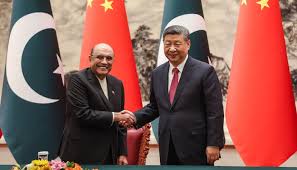
China’s continued financial backing underscores its strategic role as Pakistan’s key economic partner, particularly during moments of economic duress. The timely rollover is expected to ease pressure on the Pakistani rupee and reassure international lenders and investors about the country’s short-term solvency.
The IMF bailout, aimed at averting a full-blown balance of payments crisis, has proven vital for Pakistan’s economic survival. As the country navigates complex fiscal and external challenges, fresh commitments from allies like China may prove decisive in sustaining macroeconomic stability.