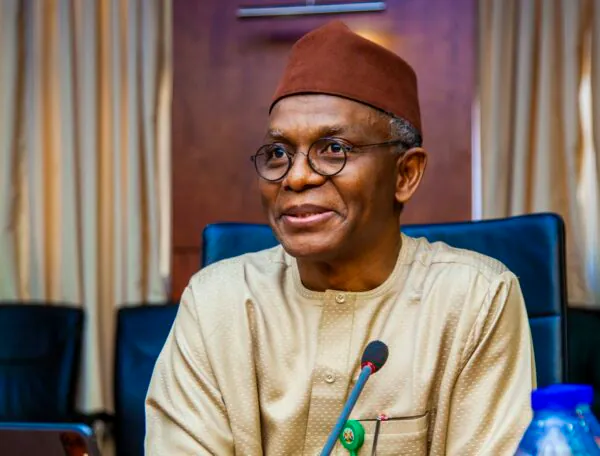
Governor of the Central Bank of Nigeria (CBN), Mr. Olayemi Cardoso, has reaffirmed the apex bank’s determination to sustain macroeconomic stability, strengthen the banking sector, and position Nigeria as a top investment destination.
Cardoso made this known in Lagos at a fireside chat during the European Business Chamber (Eurocham Nigeria) C-Level Forum, moderated by Andreas Voss, Chief Country Representative of Deutsche Bank Nigeria. He said the ongoing recapitalisation exercise for Nigerian banks is progressing smoothly and will result in stronger institutions capable of withstanding shocks and financing economic growth.
According to a statement by Hakama Sidi-Ali, Acting Director of Corporate Communications at the CBN, the governor noted that investor confidence has been boosted by reforms and the stabilisation of the naira developments commended by members of the EU Chambers.
On inflation, Cardoso admitted that levels remain high but maintained that the CBN’s tightening measures are already easing price pressures.
“We will protect the stability that has been re-established in the financial system with the utmost zeal. Our priority is to maintain stability, address inflation, and ensure the financial system remains resilient enough to support corporate lending and investment,” he said.
The governor expressed optimism that lending rates could fall as inflation continues to ease and capital markets allocate resources more efficiently, paving the way for stronger corporate lending and increased investment inflows.
He explained that the recapitalisation directive requiring banks to raise their minimum capital base was carefully designed to fortify the financial system and enable broader economic support.
Cardoso also underscored the role of financial technology, stressing that the apex bank would continue to support technology-driven solutions to deepen access, reduce poverty, and expand financial inclusion.
He further highlighted closer collaboration between the CBN and fiscal authorities including the Ministries of Finance, Industry, Trade and Investment, and the Budget Office saying such partnerships would sustain reforms and deliver long-term economic stability.