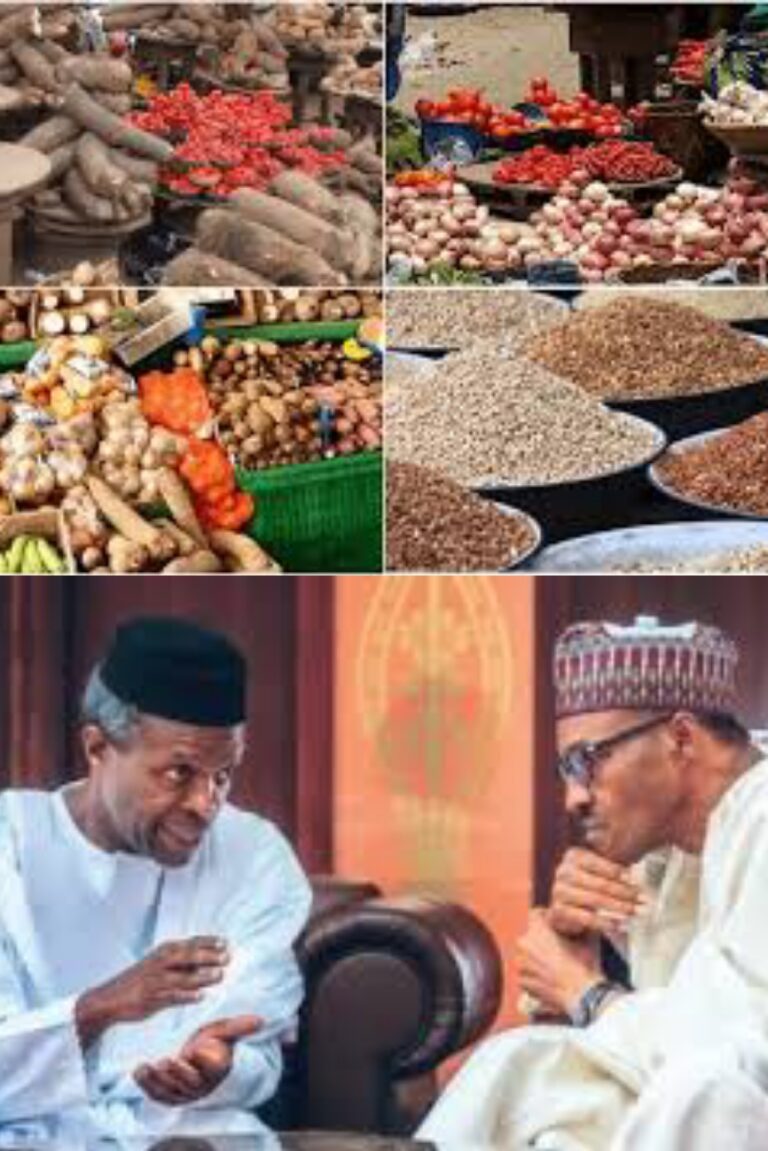
Nigerian taxpayers will have to spend twice as much to feed their president and vice president in 2022 as food costs continue to grow, despite the fact that citizens’ income levels remain stagnant, leaving many people struggling to buy food on a daily basis.
In March, food inflation hit its highest point in 12 years, with the average price of food at 22.95 percent more than a year before. While the rate of increase has eased in recent months, headline and food inflation remained high in September, at 16.63% and 19.57%, respectively, according to the National Bureau of Statistics.
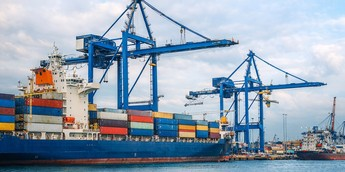
As the cost of products and services rises across the country, millions of Nigerians struggle to buy food with a naira that has dropped 32% on the parallel market between September 2020 and October 2021. Nigeria relies on imports to meet domestic demand for major foods like fish, sugar, wheat (used to make bread), maize, and soybeans, which are essential for poultry feed.
As shown in July research, the cost of protein and carbohydrate-rich foods has increased by 58 percent in the last year. While the cost of protein-rich foods increased by 60.5 percent on average, the cost of carbs increased by 59 percent. In June, a report revealed that the country was unable to produce enough cassava, the country’s most popular carbohydrate source in Nigeria, despite decades of investments.
Food costs rose sharply in 2018 after Nigeria closed its land borders and restricted food importers’ access to foreign exchange as part of measures to boost domestic production. Because local production did not increase as projected, the measures simply resulted in a considerable price increase, which was exacerbated by increased insecurity.
Despite the increase, millions of working Nigerians have seen no change in their earnings, and the minimum wage remains at N30,000. Many families have stated that they have had to spend their entire salary or a portion of it solely on food.
Presidential feeding
The first and second families have quadrupled their feeding bill for next year at the expense of public income, ostensibly in reaction to rising food prices.
The planned budget for 2022, which is awaiting National Assembly approval, shows that Mr. Buhari and Mr. Osinbajo’s offices will spend N457 million on meals. That is more than double the amount set aside for food in 2021 and preceding years.
The feeding expenses for the two offices were allowed at N195.5 million in 2021. While Mr. Buhari received N124 million, Mr. Osibanjo got N71 million.
The same amounts applied in 2020, 2019, and 2018. The figure was N115 million in 2017 and N103 million in 2016.
For next year, the president’s office will spend N301 million on foodstuff and catering materials supplies, while the vice president’s bill was put at N156 million.
Likewise, refreshments and meals will take N50.9 million for the two highest offices. A total of N30.6 million was allocated for the president while N20 million was slated for the vice president.
Obinna Chukwuezie, an agricultural expert, remarked, “A lot of people live on less than a dollar a day, and a lot of people go hungry every day.” “The figures on the number of hungry people in Nigeria would astound you, but despite the country’s hunger, N457 million is budgeted for just two families.”
“So, what kind of food are they going to eat?”. Because at the president’s age, the doctor will urge him to eat mostly vegetables and drink plenty of water,” Mr. Chukwuezie explained.
“I’m still perplexed as to why they recommended spending so much money on feeding when we have so many problems in our country that the money might fix.”
Ada Peter