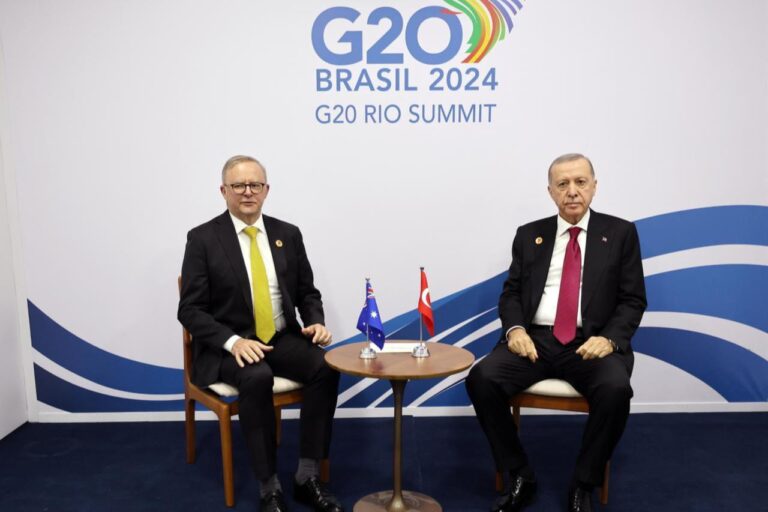
The 2026 United Nations Climate Change Conference (COP31) is now set to be held in Turkey after a surprise compromise ended months of stalemate over who would host the global summit. Australia agreed to withdraw its bid during tense negotiations at COP30 in Belém, Brazil — clearing the way for the conference to take place in the Mediterranean resort city of Antalya.
In an unprecedented arrangement, Turkey will host the event while Australia’s climate minister, Chris Bowen, will serve as COP president. Under normal UN practice, the conference president comes from the host nation, making the dual-leadership structure a rare departure from decades of climate-diplomacy tradition.
Bowen insisted the arrangement would work effectively, saying: “As COP president, I would have all the powers required to guide negotiations — from appointing co-facilitators to drafting the cover decision.” Turkey, he said, will oversee logistics, scheduling and venue operations.
The compromise also includes a symbolic concession to Pacific Island nations: a pre-COP meeting will be held in a Pacific country before the main summit. Australia had campaigned to co-host COP31 with Pacific nations in Adelaide, positioning itself as a champion of climate-vulnerable states.
Prime Minister Anthony Albanese welcomed the outcome as “an outstanding result,” saying Pacific priorities would remain “front and centre.” But reaction across the region was mixed. Papua New Guinea’s Foreign Minister Justin Tkatchenko said Pacific leaders were “not happy” with how the process ended, and Solomon Islands Prime Minister Jeremiah Manele had earlier warned of disappointment if Australia lost the hosting bid.
Failure to resolve the deadlock had increasingly worried diplomats, who feared COP31 might default back to Bonn, Germany — the seat of the UN climate secretariat — leaving the conference without a president or agenda for an entire year. Bowen said such an outcome would have been “irresponsible” amid accelerating climate risks.
Turkey argued it had earned hosting rights after stepping aside in 2021, allowing the UK to hold COP26 in Glasgow. With the Belém compromise reached, Turkish officials are expected to rapidly begin preparations once the deal is officially endorsed by the 190-plus countries represented at COP30. Diplomats say formal objections are unlikely.
The unexpected Australia–Turkey partnership marks a major shift in how future COP summits could be organised — though whether this hybrid model becomes a template or remains an anomaly will likely be judged by the success of COP31 next year.
For now, it brings an end to a prolonged diplomatic impasse and sets the stage for a first-of-its-kind, dual-led global climate conference.