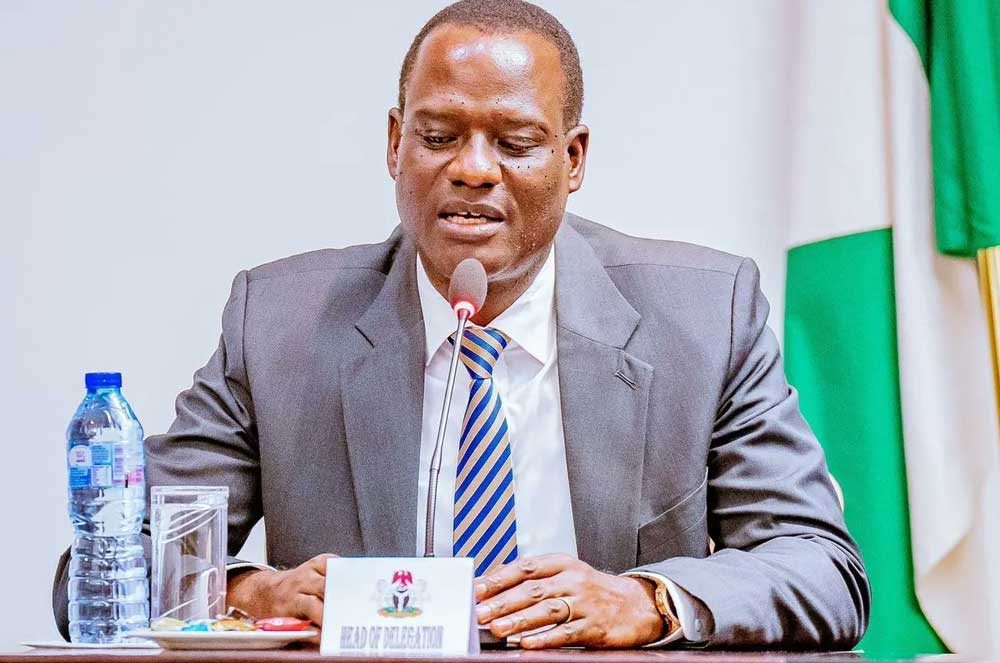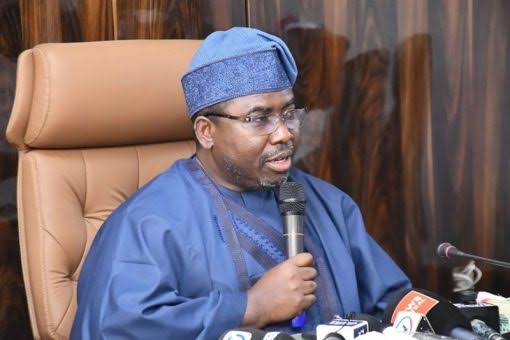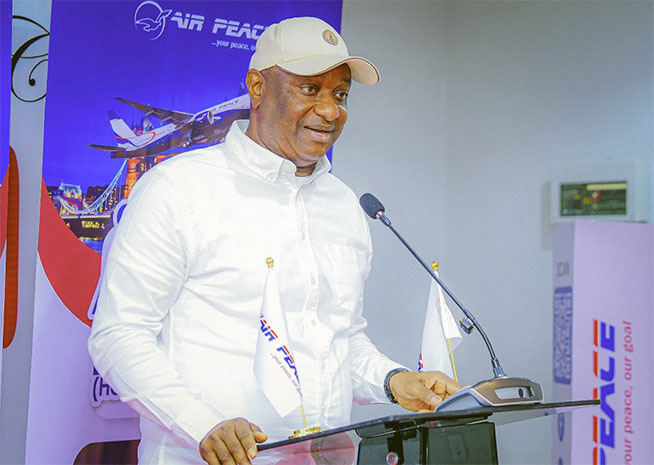
The Minister of Aviation and Aerospace Development, Festus Keyamo, has explained that the Federal Government cannot intervene in the rising cost of domestic airfares because the aviation sector is fully deregulated and operates strictly on market-determined pricing.
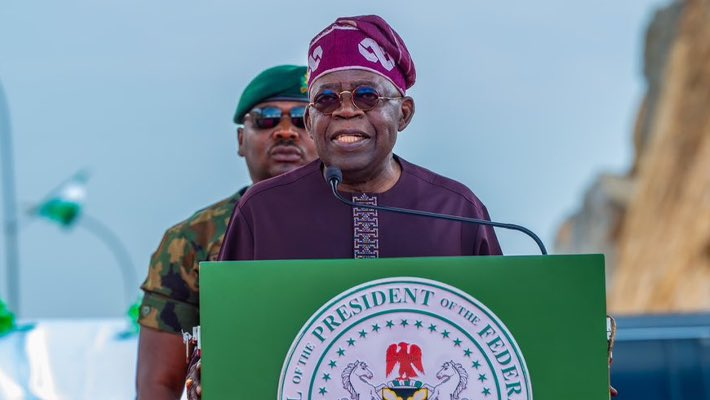
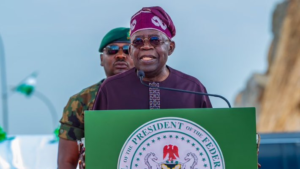
Speaking on Wednesday after the Federal Executive Council (FEC) meeting chaired by President Bola Tinubu at the Presidential Villa, Abuja, Keyamo said the government has “absolutely no power to fix prices for private enterprises,” including airlines.
He noted that deregulation began under former military president Ibrahim Babangida, when private airlines were first allowed to set their own ticket prices. That policy, Keyamo said, still guides the industry today, limiting the government’s role to oversight, regulation, and engagement with stakeholders.
Keyamo also confirmed that he was recently summoned by the Senate over the sudden spike in airfares but was unable to appear due to his FEC duties. He said he directed the Nigerian Civil Aviation Authority (NCAA) and domestic airline operators to honour the Senate’s invitation on his behalf.
Although the government cannot enforce price controls, Keyamo said ongoing engagements with airlines have revealed persistent industry challenges, including:
• limited access to aircraft
• unfavourable lease agreements
• lack of local maintenance facilities
• reliance on foreign exchange for mandatory overseas C-checks
These pressures, he explained, inevitably influence ticket pricing.
Highlighting recent reforms, the minister announced the return of a major international aircraft lessor to Nigeria—the first in almost 20 years. The company, he said, granted a dry lease to a Nigerian airline at a rate three times cheaper than previous offers, a development he credited to enhanced investor confidence under the Cape Town Convention.
“With cheaper dry leases coming in, more airlines will have access to aircraft. More aircraft automatically means stronger competition. And competition is what brings prices down in any free economy,” he said, expressing optimism that passengers would begin to see price relief within months.
On the concerns over multiple taxes and charges—recently raised by ECOWAS—Keyamo confirmed that Nigeria received an advisory urging relief for operators. However, he cautioned that taxation does not fall under his ministry.
“I cannot wake up one morning and abolish taxes. These revenues go into the Federation Account. The Finance Minister, the tax authorities, and other stakeholders must all be at the table,” he said.
Keyamo added that he has escalated operators’ complaints to the appropriate authorities and that discussions are ongoing. While the government is committed to easing operational hurdles in the sector, he said it must also safeguard revenue needed to maintain critical aviation infrastructure.
Meanwhile, the President of the Aircraft Owners and Pilots Association of Nigeria (AOPAN), Dr. Alex Nwuba, said current fare increases are demand-driven and help airlines balance revenue losses from low-season operations.