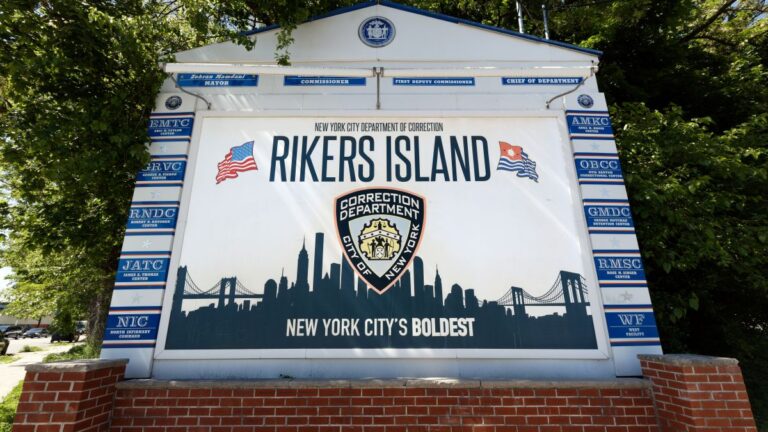
The proposal comes as the city unveils its first comprehensive roadmap for replacing Rikers Island with four modern borough-based detention facilities, marking a significant development in the long-running effort to reform New York City’s correctional system.
Under a law passed in 2019, the city was required to permanently close the notorious jail complex by August 2027. However, the Mamdani administration now argues that the deadline is no longer realistic because of construction delays and challenges associated with reducing the city’s incarcerated population.
The proposed extension would require City Council approval to amend the existing legislation.
Despite seeking additional time, Mayor Mamdani maintained that his administration remains committed to permanently shutting down the jail complex.
In a statement announcing the proposal, the mayor emphasized that closing Rikers Island remains both a legal responsibility and a moral obligation.
The administration says the revised timeline is intended to provide a more achievable path toward replacing the existing correctional facilities while ensuring public safety and improving conditions for people in custody.
The proposal acknowledges the difficulties previous administrations have faced in meeting the original closure deadline, particularly as construction schedules have fallen behind expectations.
Under the new roadmap, New York City would construct and open four borough-based detention facilities by 2032, replacing the centralized jail system currently operating on Rikers Island.
The Brooklyn facility is expected to open first in 2029, with the remaining facilities scheduled to become operational over the following three years.
City officials say locating detention centers within the boroughs will provide significant advantages for people in custody, their families, legal representatives and correctional employees.
Unlike Rikers Island, which is geographically isolated and difficult to access, the new facilities would be situated closer to courthouses, public transportation and surrounding communities.
The arrangement is expected to improve access to legal representation, reduce transportation challenges and make it easier for incarcerated individuals to maintain connections with their families.
The proposed detention centers are designed to provide safer and more modern environments for both incarcerated individuals and correction officers.
According to city officials, the buildings would feature individual cells, dedicated spaces for vocational training and educational programs, and facilities intended to support rehabilitation.
The plans also include areas designated for community use, reflecting an effort to integrate the new detention centers more effectively into their surrounding neighborhoods.
Officials argue that the borough-based approach could help address longstanding concerns about overcrowding, safety, access to services and conditions within the city’s correctional system.
Although the administration has outlined a revised schedule, extending the Rikers Island closure deadline will require changes to the 2019 law.
The proposal is therefore expected to generate debate among City Council members, criminal justice advocates and community organizations that have long demanded the jail complex’s closure.
The administration maintains that a realistic construction timeline, combined with efforts to reduce the number of people held in city jails, is essential to completing the transition successfully.
Until the proposed changes receive legislative approval, the existing August 2027 closure deadline remains in effect.
The announcement represents a major test of Mayor Mamdani’s approach to criminal justice reform as his administration attempts to balance the urgency of closing Rikers Island with the practical challenges of building replacement facilities.
The success of the plan will depend on construction progress, funding, population reduction measures and cooperation between city officials and lawmakers.
While the proposed extension would delay the closure by five years, the administration says the goal remains unchanged: permanently close Rikers Island and replace it with a safer, more accessible and rehabilitation-focused correctional system.
For now, the proposal sets the stage for renewed discussions over the future of New York City’s jails and whether the revised 2032 deadline can deliver the reforms promised nearly a decade ago.