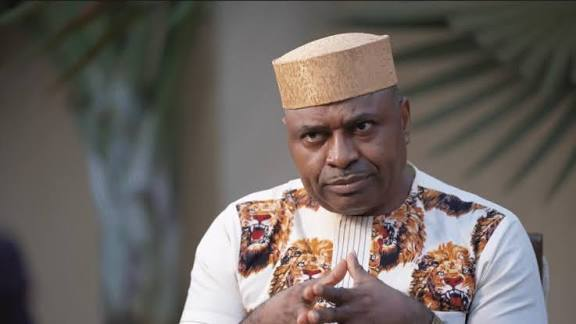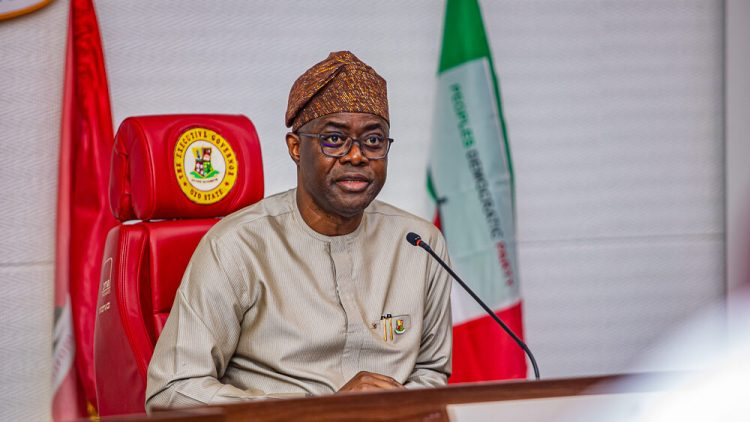
Oyo State Governor and Allied Peoples Movement (APM) presidential candidate, Seyi Makinde, has identified widespread poverty as Nigeria’s most pressing challenge, urging Christians to participate actively in politics to help transform the country.
Makinde spoke in Abuja on Saturday while reacting to his recognition as Christian Icon of the Year by the Christian Association of Nigeria (CAN).
He said the honour provided an opportunity to encourage Christians across the country to take a more active role in politics and contribute to shaping Nigeria’s political and economic future.
The governor cautioned against the tendency among some Christians to avoid politics because they consider it a dirty game or incompatible with their religious beliefs.
He urged them to reconsider such perceptions, describing political participation as an important avenue for contributing to national development and addressing the challenges facing citizens.
Makinde also encouraged Christians to draw lessons from biblical accounts of individuals who served in difficult environments to advance the interests of their communities and fulfil their responsibilities.
He argued that religious differences should not discourage Christians from participating in governance or applying their expertise and values to improve society.
“I will use this opportunity to encourage our Christian brothers and sisters across the country to rise and participate in the agenda to transform Nigeria and reset our country,” Makinde said.
Emphasising the need to prioritise economic challenges over religious divisions, the governor said poverty remained the country’s most significant problem.
“Our problem is not primarily a religious one. Our problem in this country is poverty, grinding poverty,” he said.
Makinde maintained that Nigeria must not allow religious differences to overshadow the urgent socioeconomic issues affecting millions of citizens.
He added that transforming the country would require collective participation, regardless of religious affiliation, political differences or personal convictions.