Brent crude, the international oil benchmark, rose approximately 2% to nearly $108 per barrel, while U.S. crude gained more than 2%, reaching about $94 per barrel.
Diesel futures also rebounded, wiping out the modest declines recorded last week as concerns persisted over disruptions to global energy supplies.
The renewed price increases come just weeks before the November 3 U.S. midterm elections, adding to economic pressures facing the Trump administration and Republican lawmakers seeking to retain control of Congress.
According to data from AAA, the national average price of diesel reached $6.26 per gallon Monday, representing an increase of nearly 80% since the beginning of the year.
High fuel costs have become a significant concern for American voters, particularly as rising transportation and distribution expenses continue to affect household budgets and businesses.
The market reaction followed Trump’s announcement Sunday that Russia and Ukraine had agreed to immediately halt attacks on each other’s energy infrastructure.
“Effective immediately, there is an ENERGY CEASEFIRE in the War between Russia and Ukraine. Both parties have agreed. Do not break it!” Trump wrote on Truth Social.
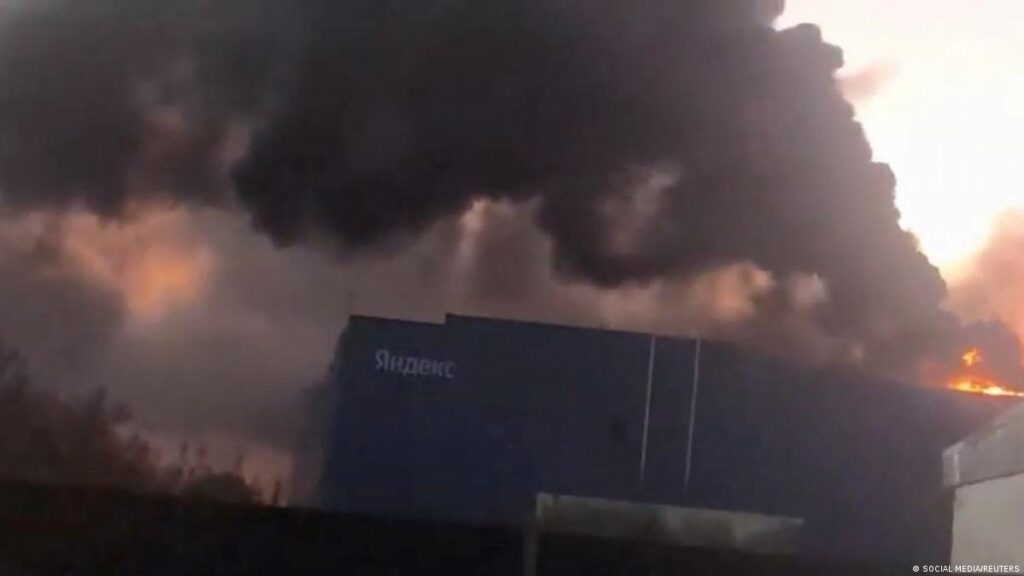
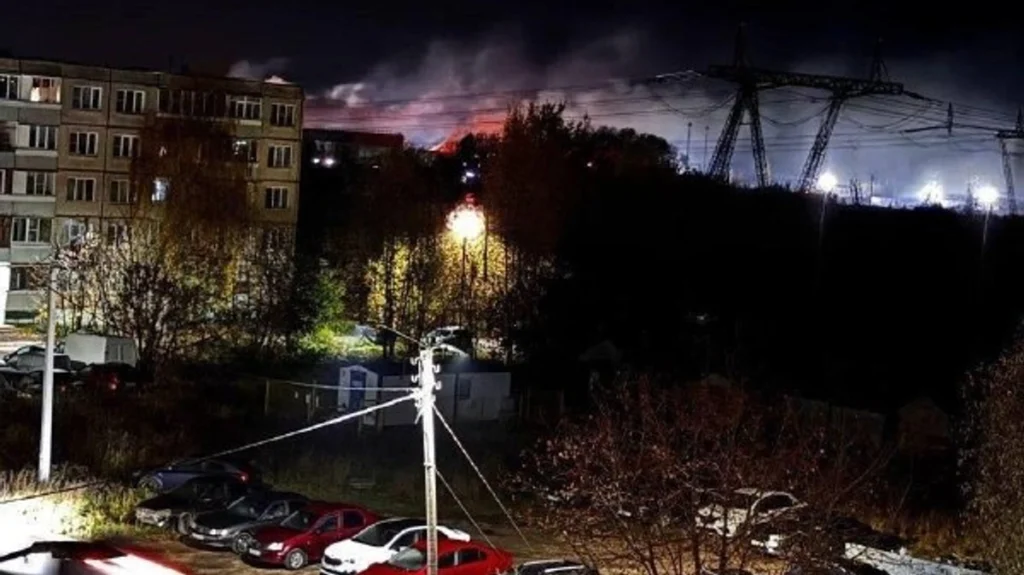
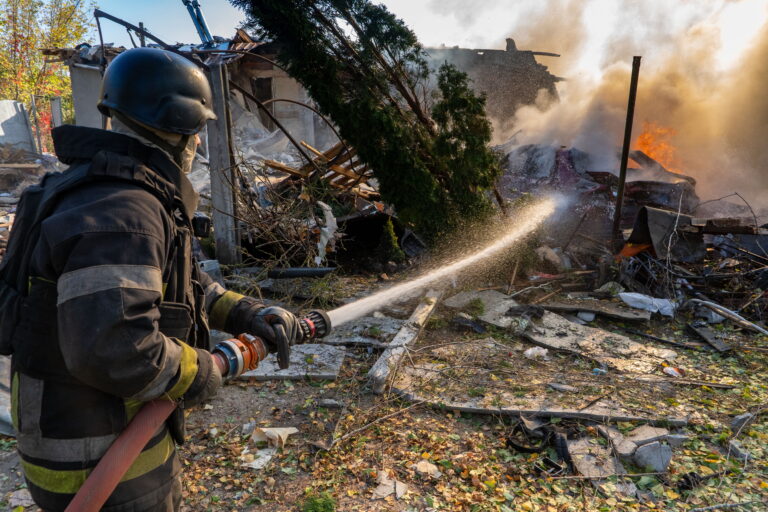
However, less than a day after the announcement, Russian forces reportedly resumed strikes on Ukrainian energy facilities, casting doubt on whether any agreement had been reached.
Speaking to reporters at the White House on Monday, Trump appeared to acknowledge that neither Moscow nor Kyiv had formally committed to the proposed ceasefire before he announced it.
“They agreed, you know why? Because I said ‘You agree,’” Trump told reporters.
Asked whether Russian President Vladimir Putin would honor the proposed arrangement, Trump responded, “We’re going to see what happens.”
The president also said he was uncertain whether Russia had violated the ceasefire, while suggesting that both sides had carried out attacks.
Ukrainian President Volodymyr Zelenskyy, meanwhile, said his government learned of Trump’s announcement through media reports and had received no advance notification.
Zelenskyy reiterated that Ukraine remained willing to suspend attacks on Russian energy infrastructure, provided Moscow agreed to take the same step.
However, he accused Russian forces of continuing aerial attacks, including strikes involving glide bombs and attacks on Ukrainian power facilities.
The Ukrainian leader pointed to a recent strike on a power plant in Kharkiv as evidence that Russian military operations against energy infrastructure were continuing.
“Ukraine has proposed many de-escalatory steps. Putin had one answer to all of them — ‘nyet,’” Zelenskyy said, using the Russian word for “no.”
The Kremlin, for its part, neither confirmed nor denied on Monday that Russia had agreed to the proposed ceasefire.
The latest developments resemble a similar announcement Trump made in September, when he claimed that both countries had agreed to stop targeting each other’s energy facilities.
At the time, Zelenskyy maintained that Ukraine’s participation depended on Russia making and honoring the same commitment.
That arrangement failed to materialize, and both countries continued carrying out attacks on energy infrastructure throughout September.
The renewed uncertainty has unsettled energy markets, with traders weighing the possibility of further disruptions to oil and gas supplies as the conflict continues.
For the Trump administration, the rise in fuel prices presents an additional political challenge ahead of the midterm elections, as voters increasingly focus on the cost of living and the economic impact of prolonged international conflicts.
With no confirmed agreement between Russia and Ukraine, prospects for an immediate halt to attacks on energy infrastructure remain uncertain.