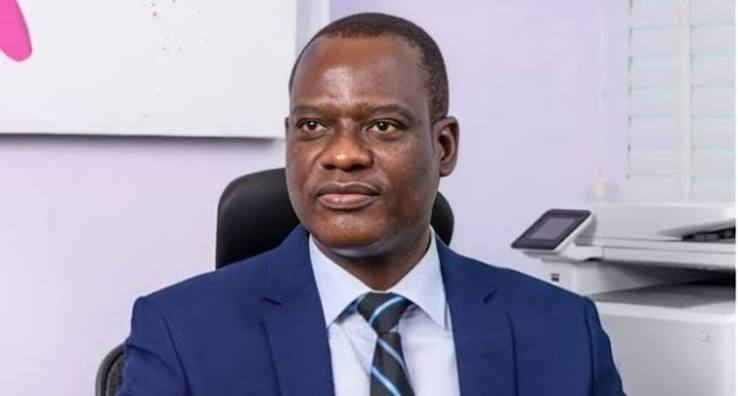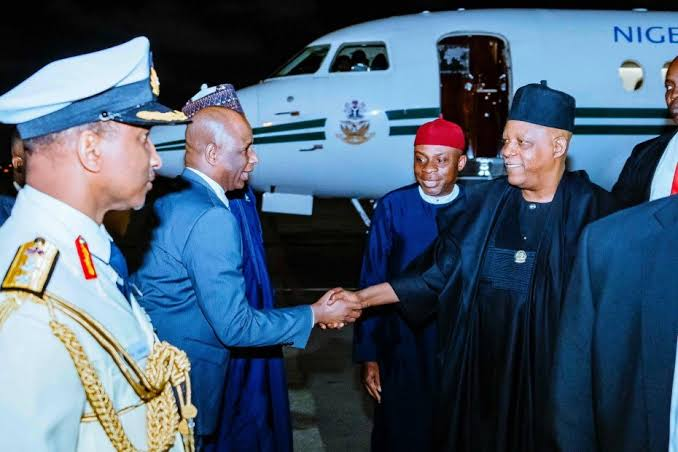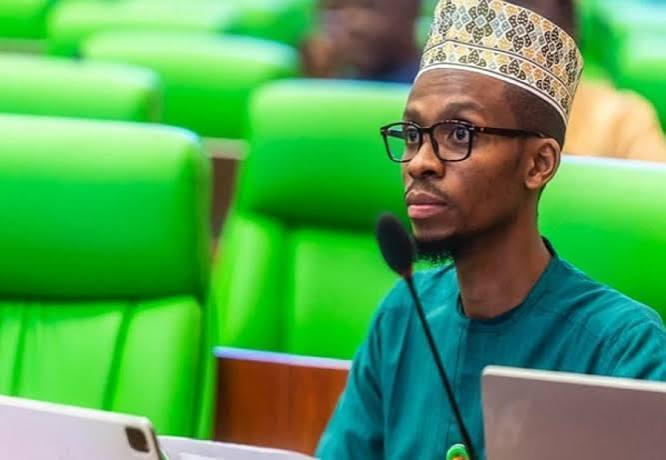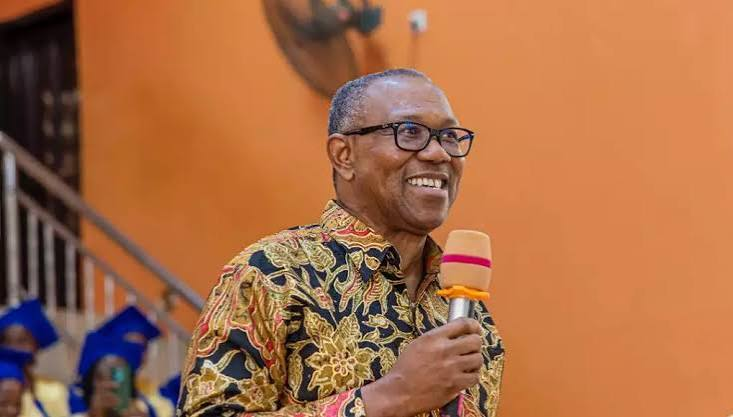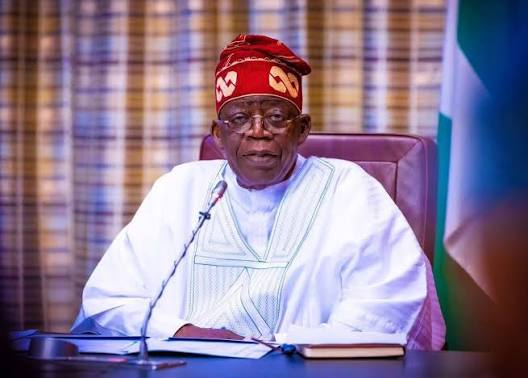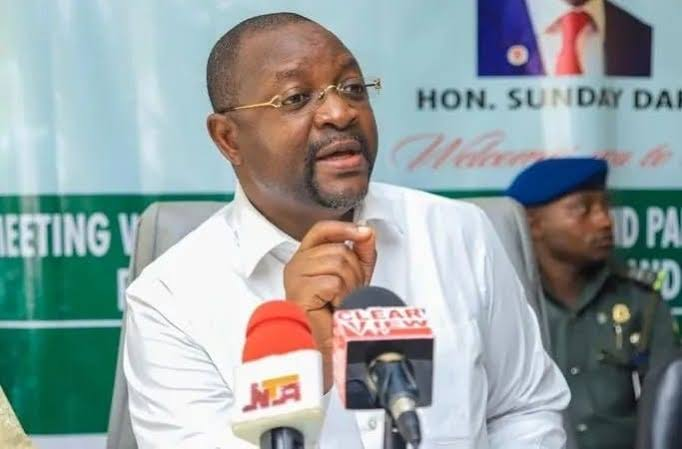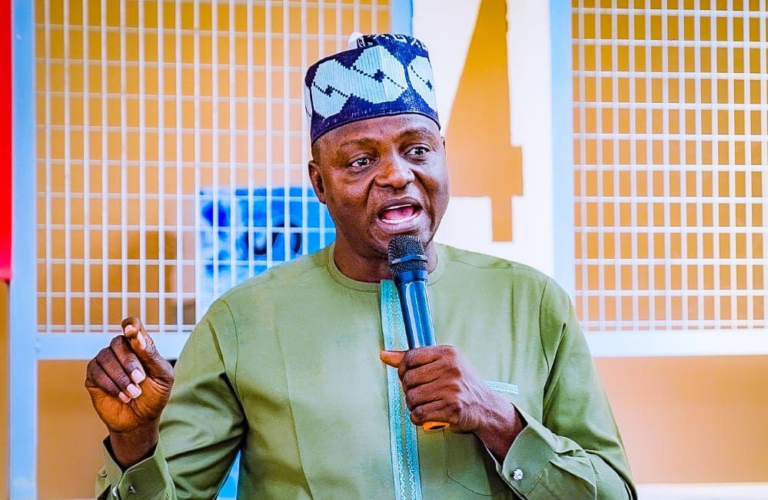
The National Chairman of the All Progressives Congress (APC), Prof. Nentawe Yilwatda, has warned that restoring petrol subsidy could place fresh pressure on Nigeria’s finances and undermine governments’ ability to sustain the current minimum wage.
Yilwatda said the attraction of cheaper petrol must be weighed against the financial obligations the policy would impose on government, particularly as the Federal Government and states grapple with rising wage, pension and public service commitments.
He spoke in Abuja while receiving a delegation of economic stakeholders who visited him to discuss the economy, ongoing reforms and prospects for sustainable growth.
His remarks came after former Vice President and African Democratic Congress (ADC) presidential candidate, Atiku Abubakar, pledged to restore petrol subsidy if elected president in 2027.
Atiku has also questioned how savings from subsidy removal have been utilised, arguing that the funds should have been deployed to address poverty and finance development.
Yilwatda urged Nigerians to look beyond the immediate attraction of subsidised petrol and consider how the policy would be financed.
“Subsidy may appear attractive because it promises cheaper petrol, but Nigerians must also ask the bigger question: who pays for the subsidy and what happens to the resources that government must divert to finance it?”
According to the APC chairman, the fiscal impact could extend beyond the petroleum sector, affecting government’s ability to fund salaries, pensions, education, healthcare and infrastructure.
“A policy cannot be judged only by its immediate benefit at the pump. We must examine its impact on government revenues, salaries, pensions, education, healthcare, infrastructure and the overall capacity of government to meet its obligations to citizens,” he said.
President Bola Tinubu ended the petrol subsidy regime in his May 29, 2023 inaugural address, triggering an immediate increase in petrol prices and intensifying pressure on transportation and household expenses.
Yilwatda, however, argued that the redistribution of revenue following the subsidy removal had strengthened the finances of several state governments.
He said some states that previously struggled to meet salary and pension obligations, including those that could only make partial payments, had benefited from increased federal allocations since the subsidy was removed.
He consequently cautioned against reversing the policy without first considering its broader consequences for public finances.
Yilwatda also linked the subsidy debate to the sustainability of the new minimum wage, saying higher wages require dependable government revenue to remain viable alongside other public obligations.
“The challenge is not merely to announce higher wages but to create an economic environment in which governments can consistently pay them without sacrificing investment in infrastructure, education, healthcare and other essential services,” he said.
The APC chairman further warned that declining government revenue could have consequences for critical sectors, particularly education.
He recalled the prolonged disruption of academic activities in Nigerian universities under the previous administration, arguing that fiscal decisions should not recreate conditions that weaken government’s capacity to fund essential services.
“A return to a fiscally unsustainable subsidy regime could have consequences far beyond the price of petrol. When government revenue is squeezed, the first victims are often the critical sectors that directly affect the welfare and future of our people,” he said.
The disagreement adds to the growing political and economic contest over subsidy removal, one of the most consequential policies of the Tinubu administration.
The debate intensified on August 20, when Atiku said he would restore petrol subsidy if elected president in 2027, arguing that its removal had worsened hardship and reduced Nigerians’ purchasing power.
The former vice president’s position drew a strong response from the Presidency, which accused him of seeking to reverse a central pillar of Tinubu’s economic reforms.
The government maintained that Nigerians could not afford a return to an opaque and potentially costly subsidy regime.