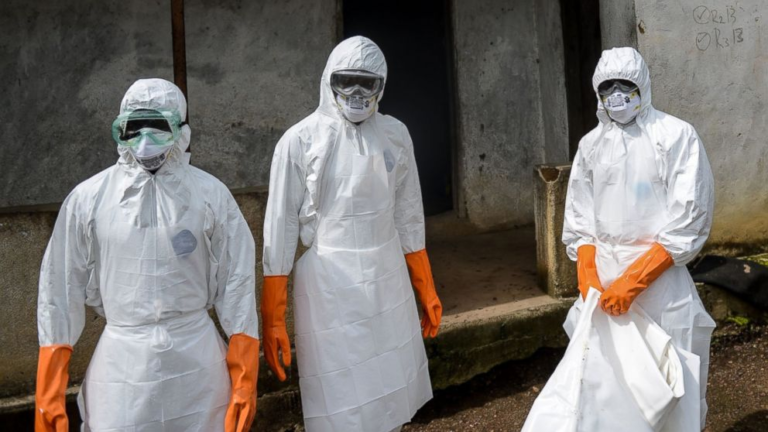
In a renewed push to prevent infectious disease outbreaks, the Federal Government has launched a high-level emergency coordination structure aimed at keeping Ebola virus disease out of the country.
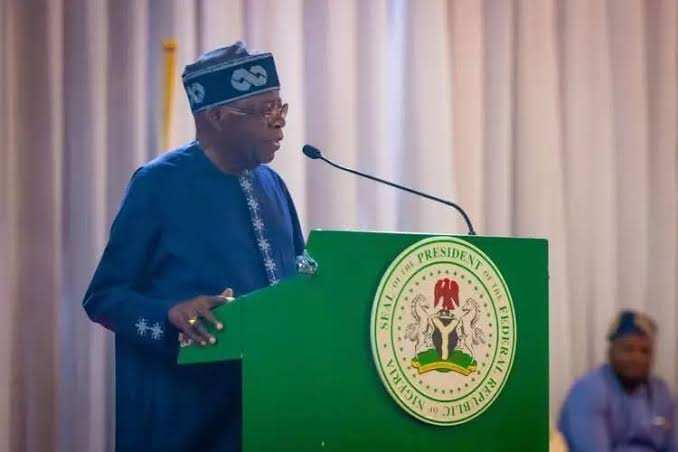
The move comes alongside the approval of a ₦10 billion emergency intervention fund ordered by President Bola Ahmed Tinubu to strengthen national preparedness against Ebola and other emerging public health threats.
As part of the response strategy, the government has also inaugurated a Presidential Task Force (PTF) on Ebola virus disease preparedness and broader epidemic readiness.
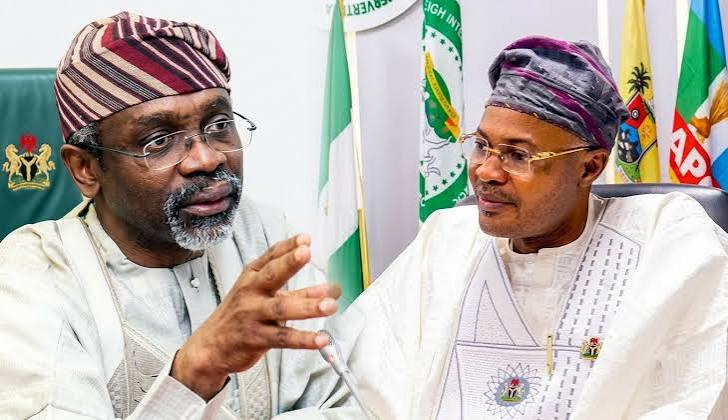
Speaking at the inauguration held at the State House in Abuja, Chief of Staff to the President, Femi Gbajabiamila, said the administration is prioritising prevention rather than reaction to outbreaks.
“Nigeria must not be caught off guard… all hands have to be on deck to ensure preventive measures, not curative response,” he said.
Gbajabiamila explained that the task force will operate through specialised subcommittees focusing on surveillance, border control, immigration monitoring, and emergency response coordination.
He added that lessons from the 2014 Ebola outbreak informed the decision to strengthen early warning systems and inter-agency collaboration.
“We don’t want to be in the situation we were last time, where we had a carrier in the country and we were all running helter-skelter,” he said.
The task force will also work closely with state governments, particularly those hosting international airports, including Lagos, Rivers, Enugu, and the Federal Capital Territory (FCT).
Director-General of the Nigeria Centre for Disease Control, Jide Idris, confirmed that no Ebola case has been recorded in Nigeria but warned that vigilance remains critical.
“We don’t have any Ebola case here now, but we need to be prepared,” he said.
He explained that surveillance systems at airports and other points of entry have been reinforced, with expanded coordination across health, interior, education, and immigration agencies.
According to him, the overarching goal is to ensure rapid detection and containment should any case be imported into the country.
The new framework brings together federal ministries, security and health agencies, state governments, the World Health Organisation (World Health Organization), and private sector stakeholders in a unified national preparedness system.