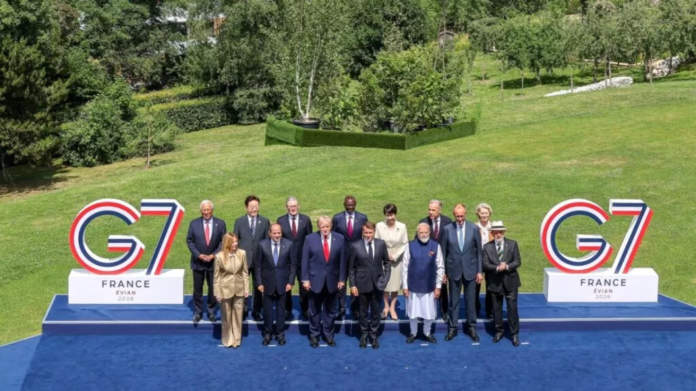
Leaders of the world’s leading economies are expected to focus on rising inflation, higher energy costs and slowing growth when they meet in France on Wednesday, as the economic consequences of the recent conflict between the United States, Israel and Iran continue to ripple across global markets.
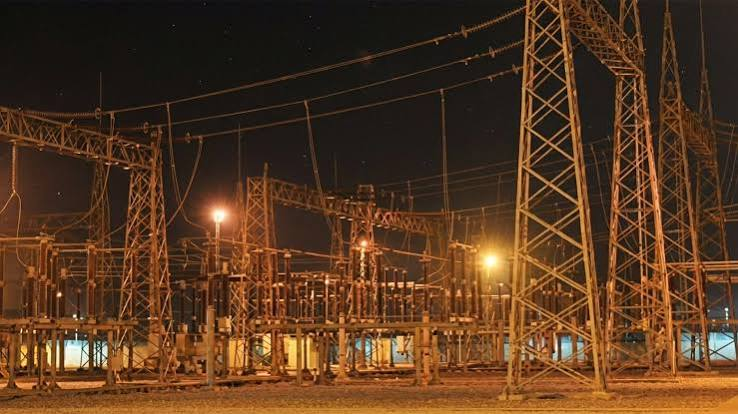
The discussions come after oil prices surged by roughly 30 percent during the conflict, adding fresh pressure to economies already struggling with inflation and sluggish growth.
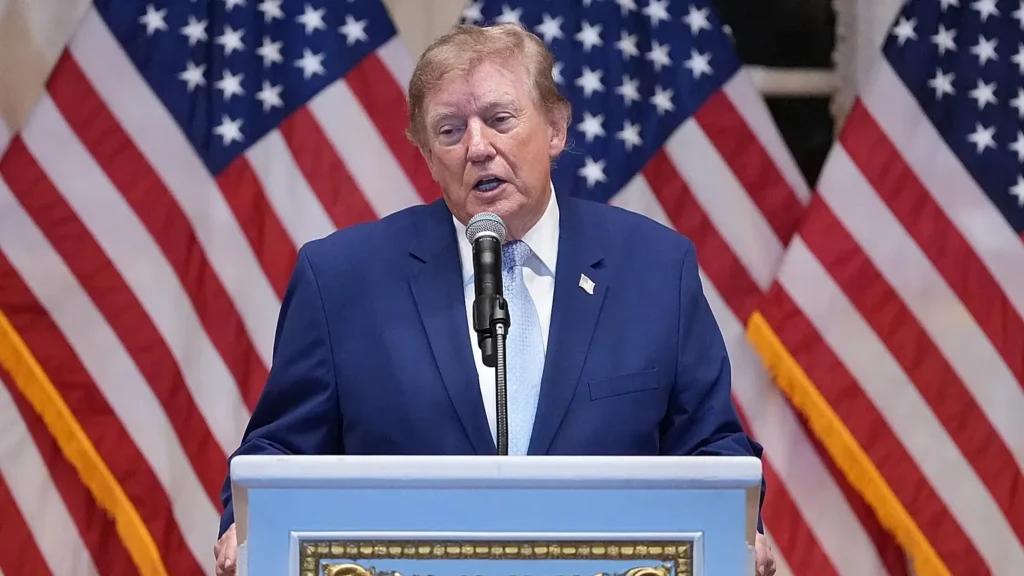
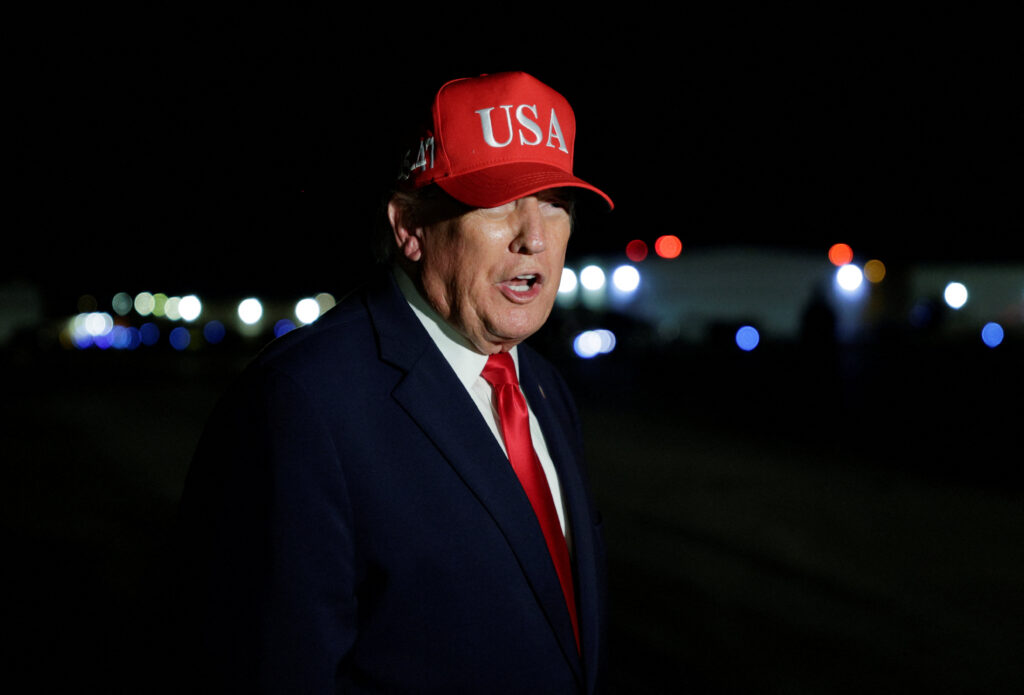
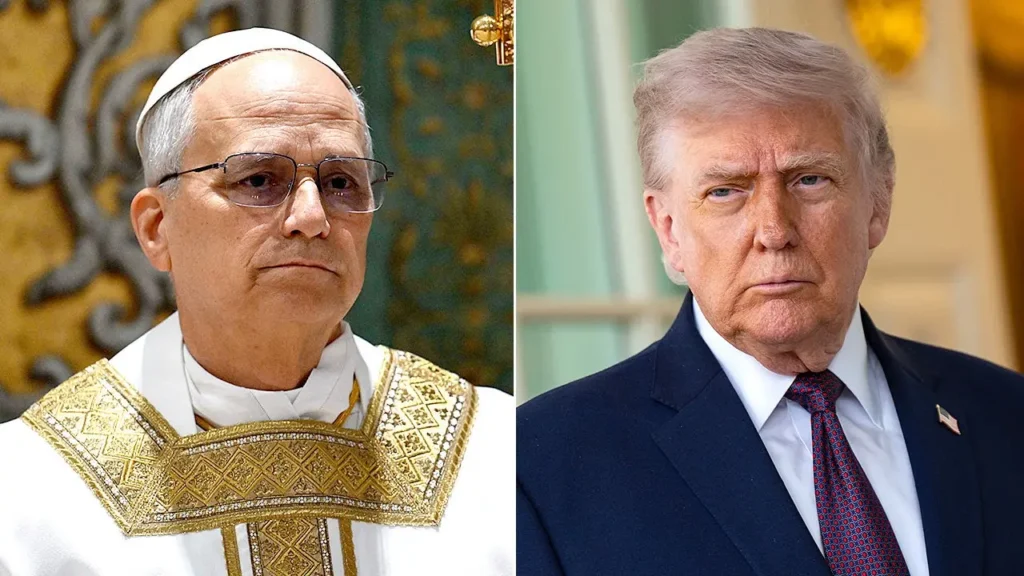
Although several G7 leaders have expressed frustration over President Donald Trump’s decision to move forward with military action against Iran without prior consultation, they are not expected to publicly assign blame for the economic slowdown during the summit.
Relations among G7 members have already been strained by disagreements over U.S. tariffs, NATO spending and disputes involving Greenland. The conflict with Iran has added another layer of tension, with some allies warning early on about its potential economic impact.
Over the weekend, however, the United States and Iran announced that they had reached an agreement to end hostilities and reopen the Strait of Hormuz, a critical shipping route for global energy supplies. The news boosted investor confidence and sparked optimism in international markets.
Despite the breakthrough, economists say the effects of the conflict are already being felt. Higher energy prices have renewed inflationary pressures, while concerns are growing about disruptions to food supplies and rising costs in developing countries.
Central banks have responded by tightening monetary policy. In recent days, both the European Central Bank and the Bank of Japan have raised interest rates in an effort to contain inflation and stabilize prices.
Several European leaders have voiced concerns about the burden the conflict has placed on households and businesses.
British Prime Minister Keir Starmer said he was “fed up” with the impact of the conflict on energy bills, while Italian Prime Minister Giorgia Meloni warned of broader economic and social consequences stemming from the crisis.
The rise in living costs has also created political challenges for several European leaders, including Starmer, German Chancellor Friedrich Merz and French President Emmanuel Macron, whose approval ratings have come under pressure amid growing concerns over inflation.
As G7 leaders gather, the challenge will be to chart a path toward economic stability while addressing the lingering effects of geopolitical conflict, rising prices and uncertainty in global markets.