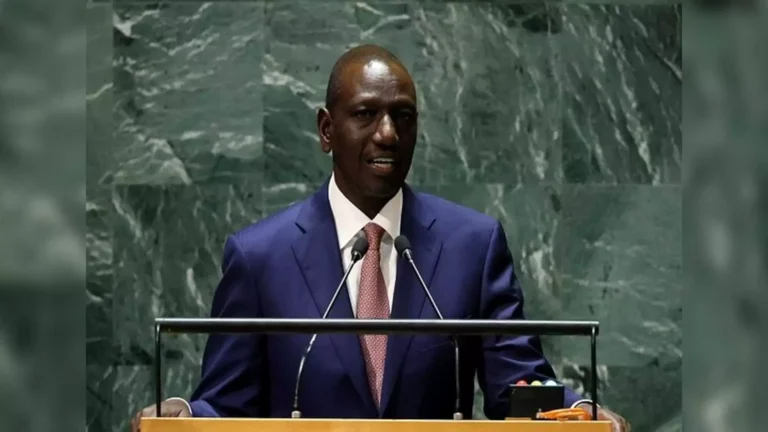
Kenyan President William Ruto has defended plans to establish a U.S.-supported Ebola quarantine facility in the country, arguing that the project is part of a longstanding health partnership between Kenya and the United States.
Speaking publicly on the issue for the first time Monday evening, Ruto said the proposed facility at Laikipia Air Base was one of 24 preparedness centers created under joint health initiatives designed to strengthen Kenya’s response to potential Ebola outbreaks.
The project has sparked protests and political criticism after U.S. officials announced that Americans exposed to Ebola abroad would no longer be transported back to the United States for quarantine, but instead could be isolated at the Kenyan facility. Washington has pledged approximately $13 million toward the partnership.
The controversy comes as legal challenges continue. Kenya’s High Court on Tuesday extended temporary orders blocking construction of the facility and preventing the arrival of foreign Ebola patients while the case proceeds.
The lawsuit was filed by the Law Society of Kenya and the constitutional advocacy group Katiba Institute. The petitioners argue that Kenya’s healthcare system lacks the capacity to safely manage foreign Ebola patients and that the project poses potential public health risks.
Ruto rejected those concerns, saying the decision was based on Kenya’s longstanding relationship with the United States and broader efforts to strengthen disease preparedness.
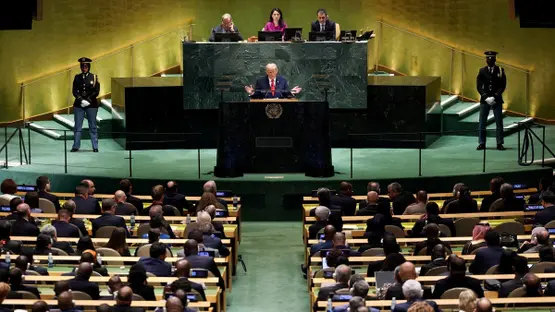
“When President Trump asked the government of Kenya to support them by having a center at Laikipia Air Base, I gave the OK because it was an agreement and a partnership with friends who have worked with Kenya for 30 to 40 years,” Ruto said.
The president maintained that the infrastructure and resources being developed through the initiative would also benefit Kenyan citizens in the event of a domestic Ebola outbreak.
“We are a responsible government. We know what we are doing,” he said. “People should relax. Politicians should avoid reckless and unnecessary statements that do not help the situation.”
The dispute has highlighted growing public concerns about Kenya’s role in international health initiatives as authorities continue to balance public health preparedness with concerns over national healthcare capacity and public safety.