Iran heads into high-stakes peace negotiations this weekend in Pakistan with what analysts describe as its strongest bargaining position in weeks: control over the Strait of Hormuz.
The narrow, roughly 100-mile-long waterway is a critical global chokepoint, carrying about 20% of the world’s oil and natural gas supply. By regulating which vessels can pass through the strait, Tehran has gained the ability to disrupt global energy flows and exert pressure on adversaries far beyond the region.
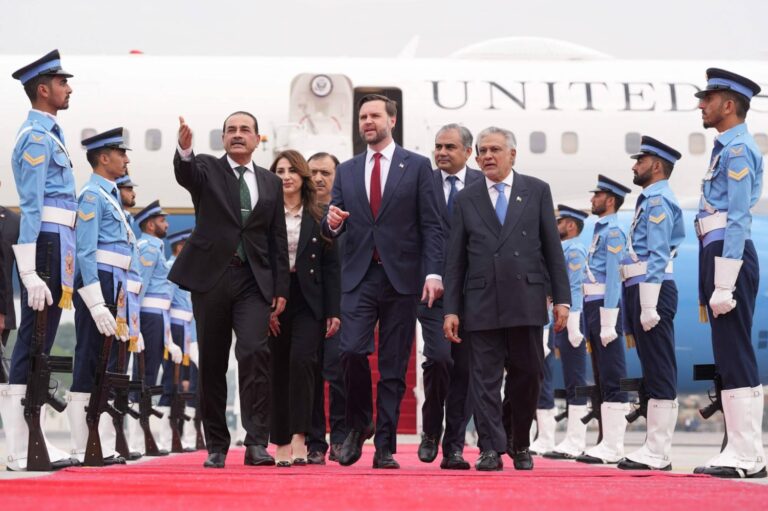
Reopening the strait has become a central demand for the United States in talks that began Saturday, April 11, as both sides attempt to transform a fragile two-week ceasefire into a more durable agreement.
Prior to the conflict, commercial shipping—including oil tankers and cargo vessels—moved freely through the strait, which links the Persian Gulf to the Gulf of Oman and the Arabian Sea. However, within days of the war’s outbreak, Iran imposed tight restrictions on transit, limiting vessel movement and reportedly charging fees of up to $2 million per ship.
The move has significantly disrupted global energy markets, contributing to sharp increases in oil and gas prices and heightening economic pressure worldwide as negotiations continue.