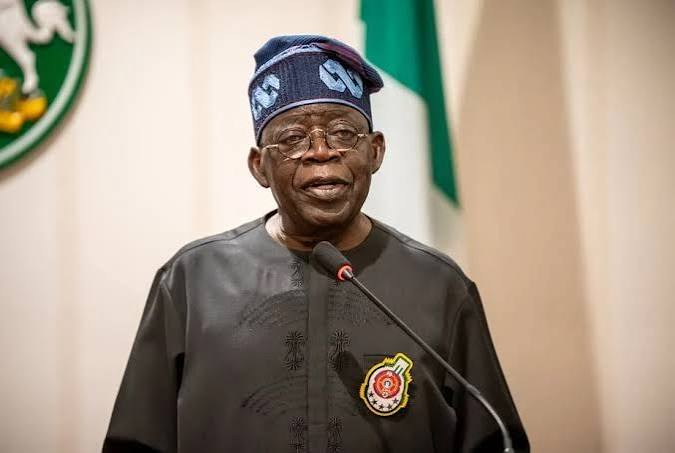
Bola Ahmed Tinubu has approved a comprehensive payment plan to settle long-standing debts in Nigeria’s power sector under the Presidential Power Sector Financial Reforms Programme.
According to his spokesman, Bayo Onanuga, the move follows a final review of legacy debts accumulated between February 2015 and March 2025, which have weighed heavily on the sector for over a decade.
After verification, the Federal Government agreed on ₦3.3 trillion as a full and final settlement to resolve the liabilities in a transparent manner.
Implementation is already underway, with 15 power plants signing settlement agreements worth ₦2.3 trillion. So far, the government has raised ₦501 billion, with ₦223 billion already disbursed and additional payments in progress.
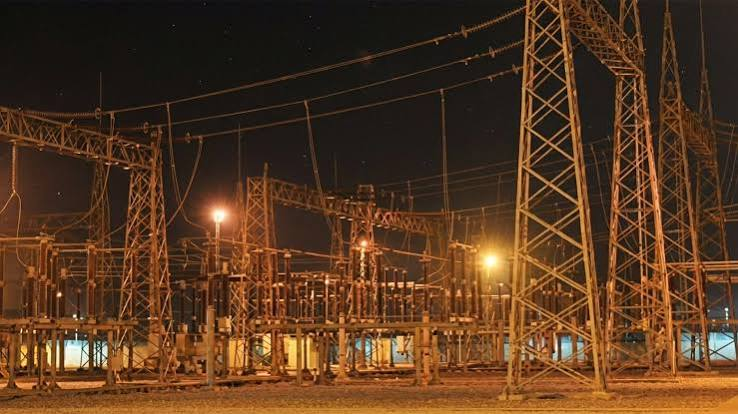
The initiative is expected to stabilise electricity generation by ensuring that key players across the power value chain—especially generation companies and gas suppliers—receive outstanding payments.
Special Adviser on Energy to the President, Olu Arowolo-Verheijen, said the programme is aimed at restoring confidence in the sector and improving overall efficiency.
“This programme is not just about settling legacy debts. It is about restoring confidence across the power sector ensuring gas suppliers are paid, power plants can keep running, and the system begins to work more reliably,” she said.
She added that the effort complements ongoing reforms such as improved metering and service-based tariffs tied to electricity supply quality, as well as prioritised power delivery to businesses and industries.
Tinubu also confirmed that the next phase of the programme will begin later this quarter, while commending stakeholders who contributed to resolving the sector’s long-standing financial issues.
However, the development comes amid continued criticism of the administration’s handling of the power sector. Former presidential candidate Peter Obi recently criticised the government over persistent electricity challenges, citing declining supply levels and rising tariffs, while urging Nigerians to demand accountability.